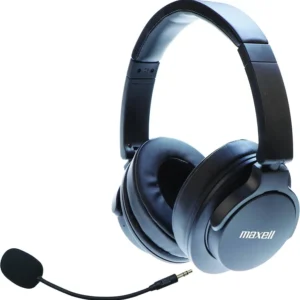


If you care about sound quality and comfort, over ear headphones are hard to beat. Unlike tiny earbuds or compact on‑ear models, over ear designs surround your entire ear with large, cushioned cups. That gives you:
- Bigger drivers for fuller sound
- Better isolation from the outside world
- More comfortable listening over long sessions
Whether you’re a music lover, gamer, content creator, or someone who just wants to block out the office noise, over ear headphones can give you a deeper, more immersive experience than most other types.
In this guide, you’ll learn:
- What over ear headphones are and how they’ve evolved
- The real advantages over in‑ear and on‑ear headphones
- The main types of over ear headphones (closed, open, wired, wireless, ANC, studio, gaming, lifestyle)
- The most important factors to consider before you buy
- Which brands are worth your money
- How to pick over ear headphones for different uses: travel, gaming, work, studio, fitness, kids
- How to protect your hearing and stay comfortable
- Care, customization, and accessories that extend the life of your gear
- Where over ear headphone technology is headed next
By the end, you’ll know exactly what to look for so you can choose the best over ear headphones for your ears, your lifestyle, and your budget.
What Are Over Ear Headphones?
Over ear headphones (sometimes written “over‑ear”) have large earcups that fully surround your ears instead of sitting on them or inside the ear canal. The pads create a seal around your ear, which helps:
- Improve bass response and overall sound quality
- Reduce outside noise, even before any active noise cancelling is added
- Spread pressure more evenly, making them more comfortable for long use
Because they have more physical space to work with, manufacturers can use larger drivers and more complex acoustic designs, which is why over ear headphones are often the first choice for audiophiles, studio engineers, and serious gamers.
A Brief History of Over Ear Headphones
Over ear headphones have been around for more than a century, and they’ve come a long way.
- Late 1800s / early 1900s – Early telephone operators and radio users wore heavy, uncomfortable headsets with metal bands and basic drivers.
- Mid‑1900s – As hi‑fi home audio took off, larger, better‑sounding over ear models emerged for home listening.
- 1970s–1990s – Brands like Sennheiser, Sony, and Beyerdynamic refined open‑back and closed‑back designs, making them popular among music lovers and studio professionals.
- 2000s–2010s – Portable music players and smartphones drove demand for lighter, more stylish designs; Beats by Dre helped turn over ear headphones into fashion accessories.
- 2010s–2020s – Noise cancelling, Bluetooth, and smart features transformed over ear headphones into powerful personal audio devices for travel, work, and everyday life.
Today, you can find over ear headphones that are:
- Wired or wireless
- Closed‑back or open‑back
- Designed for studio accuracy, travel comfort, gaming, or style
The basic shape hasn’t changed much—but the technology inside has improved dramatically.
Advantages Of Over-Ear Headphones
1. Superior Comfort (When Designed Well)
Because the pads sit around your ears, not on top of them, well‑designed over ear headphones can be:
- More comfortable for long listening sessions
- Less likely to cause soreness on the outer ear
- Better at distributing weight across your headband and pads
If you work, game, or create content for hours at a time, over ear headphones are usually more comfortable than on‑ear designs or earbuds.
2. Fuller, More Immersive Sound
Larger drivers and earcups help over ear headphones deliver:
- Stronger, more controlled bass
- Clearer mids and detailed highs
- A sense of space or “soundstage” that makes music and games feel more three‑dimensional
For critical listening, home theater, and immersive gaming, this bigger, more open sound is a major advantage.
3. Better Isolation and Noise Control
Over ear designs physically cover your ears, so they naturally block some outside noise. Many models also offer:
- Passive isolation from well‑sealed pads
- Active Noise Cancelling (ANC) that electronically reduces ambient noise
That makes them great for:
- Commutes and flights
- Noisy offices
- Working or studying in busy environments
4. More Stable Fit Than Earbuds
While they’re bulkier overall, over ear headphones:
- Don’t rely on your ear canal shape
- Are less likely to fall out or shift as you move your head gently
- Can be better for people who don’t like the feeling of in‑ear tips
For light workouts, walking, or sitting at a desk, this stability can be more relaxing than constantly adjusting earbuds.
5. Style and Durability
Over ear headphones also offer:
- A wide variety of looks (minimalist, retro, bold, “studio” style)
- Sturdier builds that can last for years if cared for properly
- Replaceable pads and cables on many models, extending their lifespan
They’ve become part of streetwear and tech culture, not just a listening tool.
Types Of Over-Ear Headphones
Understanding the main categories will make your buying decision much easier.
Closed‑Back vs Open‑Back
Closed‑back over ear headphones
- Solid outer shells that keep sound in and noise out
- Stronger bass and better isolation
- Great for commuting, travel, office use, and tracking in the studio
Open‑back over ear headphones
- Vented or grille‑style backs that let air and sound pass through
- More natural, spacious, and “speaker‑like” sound
- Less isolation; sound leaks in and out
- Best for quiet home listening, mixing, and critical audiophile use
If you’ll be around other people or in noisy environments, closed‑back is usually safer. If you listen mostly at home in a quiet room, open‑back can sound more “alive” and airy.
Closed‑back over ear headphones work like sound barriers and are ideal in noisy places. If you want a deeper breakdown of this design, see our guide to closed‑back headphones.
Open‑back over ear headphones offer a more spacious, natural sound and are explained in detail in our open‑back headphones guide.
Wired vs Wireless Over Ear Headphones
Wired over ear headphones
- No latency and no battery to charge
- Can deliver the very best sound quality, especially with high‑end sources
- Preferred for studio work, mixing, mastering, and some audiophile setups
Wireless over ear headphones
- Connect via Bluetooth to phones, laptops, and other devices
- Offer freedom of movement and no cables to manage
- Often include ANC, on‑ear controls, and app support
Many modern models are hybrid: they work wirelessly but also include a cable option for wired listening.
If you’re still deciding between wired headphones and wireless headphones, think about where you’ll be listening most and whether you value maximum sound quality or cable‑free convenience.
Noise‑Cancelling vs Non‑ANC
Noise‑cancelling over ear headphones use microphones and processing to reduce external noise:
- Excellent for planes, trains, buses, and loud offices
- Let you listen at lower volume, which can help protect your hearing
Non‑noise‑cancelling models:
- Rely on passive isolation from the pads
- Often have simpler designs and longer battery life (if wireless)
- Are often cheaper than top ANC models
If you travel or commute a lot, ANC is one of the most valuable features you can pay for.
For a full breakdown of how Active Noise Cancellation works and when it’s worth paying for, check out our guide to noise‑canceling headphones.
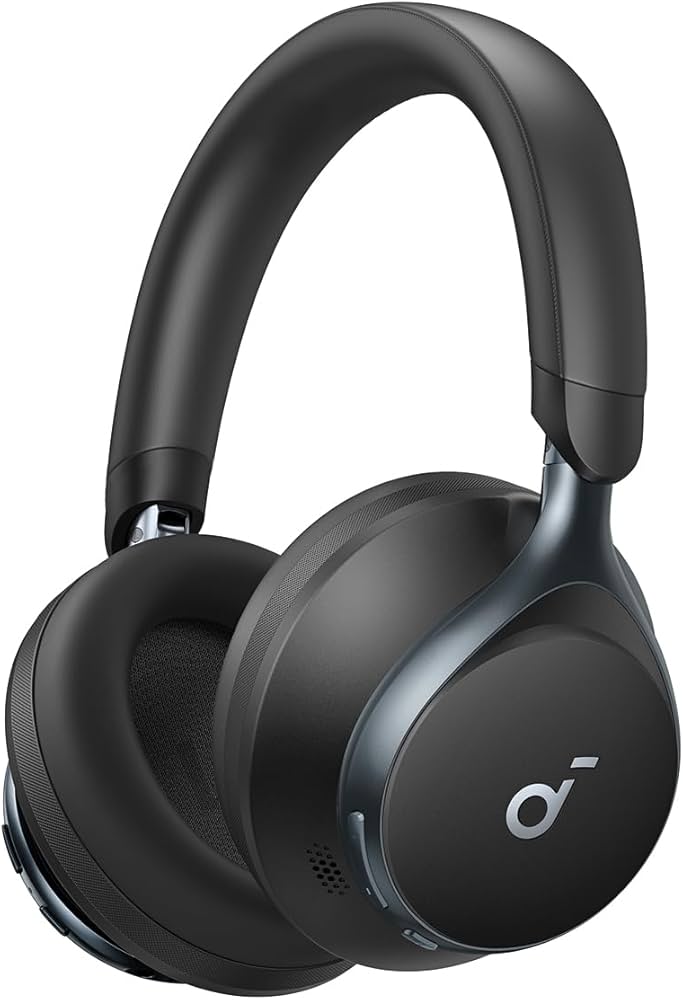
Gaming Over Ear Headphones
Gaming‑focused over ear headphones usually add:
- Tuned sound for positional accuracy (hearing footsteps, direction, distance)
- A boom or built‑in mic for team chat
- Comfort features for long sessions
Some use standard Bluetooth, while many serious gaming headsets use low‑latency wireless dongles or wired connections to avoid lag.
For more options tuned specifically for PC and console gaming, see our dedicated gaming headsets roundup.
Studio and Monitoring Headphones
For music producers, engineers, and serious home recordists:
- Studio monitoring headphones aim for a more neutral, flat sound
- Closed‑back models are used for recording and tracking
- Open‑back models are often used for mixing and detailed listening
Brands like Audio‑Technica, Sennheiser, Beyerdynamic, and Sony are common in studios worldwide.
If you’re building a home studio or doing serious mixing, start with our in‑depth studio headphones guide and our list of the best studio headphones.
Fashion and Lifestyle Headphones
Lifestyle over ear headphones prioritize:
- Stylish design and brand recognition (e.g., Beats, fashion collabs)
- Fun, consumer‑friendly sound (often bass‑boosted)
- Strong wireless and smart features (ANC, spatial audio, voice assistants)
These are popular for everyday use, travel, and social situations where looks and convenience matter as much as sound.
Credit: www.amazon.com
Key Factors to Consider Before Buying Over Ear Headphones
Before you hit “buy now,” think through these essentials.
1. Sound Signature and Quality
Everyone’s taste is different. Pay attention to:
- Sound signature:
- V‑shaped (boosted bass and treble) – exciting for pop, hip‑hop, EDM
- Neutral/balanced – better for all‑round listening, studio work
- Warm – smooth mids and bass, relaxed treble
- Technical performance:
- Clarity and detail
- Soundstage and imaging (how wide and precise the sound feels)
- Control in the bass (tight vs boomy)
If possible, try a few models or read multiple reviews to see how people describe the tuning.
2. Comfort and Fit
Over ear headphones should be something you can wear for hours without thinking about them.
Look for:
- Soft, thick ear pads (memory foam or well‑padded synthetic/leather)
- Enough space inside the cups for your ears
- An adjustable headband with light to moderate clamping force
- A weight you can tolerate—very heavy headphones can cause fatigue
If you wear glasses, pay attention to pad softness and clamping force, since they’ll press against your frames.
3. Build Quality and Materials
Good construction means longer life:
- Sturdy headband (metal reinforcement is a plus)
- Strong yokes and hinges
- Detachable cable (for wired models)
- Replaceable ear pads (many mid‑ to high‑end models support this)
Well‑built over ear headphones can easily last several years with proper care.
4. Noise Isolation and ANC
Ask yourself:
- Will you use them mainly at home, or in noisy places?
- Do you need to block engine noise, office chatter, or roommates?
If yes, prioritize:
- Tight‑sealing pads for passive isolation
- Quality ANC if your budget allows
- A transparency/ambient mode if you want to hear surroundings without taking headphones off
5. Wired vs Wireless Features
For wired over ear headphones, check:
- Impedance (measured in ohms):
- Low impedance (e.g., 32 Ω) – easy to drive from phones and laptops
- Higher impedance (80–300+ Ω) – may benefit from an amplifier
- Cable type and length
- Connector (3.5 mm, 6.3 mm, dual mini‑XLR, etc.)
For wireless over ear headphones, check:
- Battery life (aim for 20–30+ hours per charge)
- Charging port (USB‑C is standard now)
- Bluetooth version and codec support (AAC, aptX, LDAC, etc.)
- Multipoint pairing (connect to more than one device at once)
6. Budget and Value
Over ear headphones range from under $50 to well over $500.
Think about:
- Minimum acceptable quality for your needs (don’t buy purely by price)
- How long you plan to use them (long‑term investment vs short‑term use)
- Whether you’ll grow into them (e.g., starting casual, later doing more serious listening or production)
You don’t have to buy the most expensive model, but avoid very cheap no‑name brands if you care about sound, comfort, and safety.
7. Brand Reputation and Support
Well‑known brands typically offer:
- More consistent quality control
- Better warranty and customer support
- Available spare parts (pads, cables, headbands)
This matters when something breaks after a couple of years—being able to replace pads or cables can keep a good pair alive.
Popular Over-ear Headphone Brands (and Why They Matter)
Here are a few brands that consistently show up in “best over ear headphones” lists:
- Sony – Known for top‑tier ANC and feature‑rich wireless models (e.g., WH‑1000XM series)
- Bose – Famous for comfort and noise cancelling (QuietComfort and similar lines)
- Sennheiser – Strong in both audiophile and studio segments (HD series, Momentum series)
- Audio‑Technica – Popular for studio and DJ use (M‑Series) with great price‑to‑performance
- Beyerdynamic – Classic studio and hi‑fi headphones with detailed, often bright tuning
- Beats by Dre – Lifestyle‑oriented, stylish, bass‑forward sound, strong for Apple users
- AKG, Shure, Philips, Focal – Additional respected names in studio and audiophile circles
The “best” brand for you depends on your use case: travel and office, studio work, gaming, or pure music enjoyment.
Over Ear Headphones for Different Uses
Travel and Commuting
For planes, trains, buses, and noisy cafes, you want:
- Strong ANC
- Good passive isolation
- Long battery life
- Foldable or compact design
Wireless over ear ANC headphones are ideal here. If you fly often, this might be the single most important category for you.
Gaming
Gamers need:
- Accurate positional audio
- Clear, natural mids and highs for voices and details
- A comfortable fit for long sessions
- A good microphone or the ability to attach your own
You can use a dedicated gaming headset or pair a high‑quality over ear headphone with a standalone mic.
Studio, DJ, and Music Production
For recording and mixing:
- Look for a neutral or slightly analytical tuning
- Closed‑back models for tracking; open‑back for mixing in quiet spaces
- High comfort for long sessions
Audio‑Technica, Sennheiser, Beyerdynamic, and Sony are common choices in studios.
Office and Work‑From‑Home
For productivity, your headphones should:
- Reduce distractions (good isolation or ANC)
- Offer strong call quality (built‑in mics)
- Support multipoint to switch between laptop and phone
- Stay comfortable throughout your workday
Over ear wireless ANC models with high‑quality mics are excellent for Zoom, Teams, and calls.
Fitness and Sports
Over ear headphones aren’t ideal for intense workouts, but some people do use them for:
- Light gym sessions
- Walking or stationary cycling
If you insist on over ear for fitness, look for:
- Sweat resistance
- Secure yet comfortable fit
- Lightweight designs
For running and high‑impact activities, in‑ear or sports earbuds are usually better.
Children and Teens
For younger listeners, prioritize:
- Volume limiting (around 85 dB max) to protect hearing
- Durable build (flexible headband, reinforced hinges)
- Soft, hypoallergenic cushioning
- Simple controls and a safe, comfortable fit
For many kids, full‑size over ear models that cover the ear can feel more comfortable and less intrusive than earbuds, but safe listening rules still apply.
Credit: www.hollywoodreporter.com
Over Ear Headphones vs Other Types
Over Ear vs In‑Ear (Earbuds)
In‑ear headphones (earbuds):
- Extremely portable
- Great for workouts and quick travel
- Can isolate well with the right tips
But:
- Some people find them uncomfortable in the ear canal
- Soundstage and comfort often lag behind good over ear models
Over ear headphones:
- Less portable, but more immersive and comfortable
- Better for long listening, work, and home use
Over Ear vs On‑Ear
On‑ear headphones rest on top of your ears:
- Smaller and more portable than over ear
- Can be cooler in hot weather
But:
- Often press directly on your ears, which can become uncomfortable
- Typically offer less isolation and weaker bass
If you prioritize isolation, immersion, and comfort over compact size, over ear headphones usually win.
Hearing Health, Comfort, and Ergonomics
Bluetooth and EMF Concerns
Over ear Bluetooth headphones use very low‑power radio signals, a type of non‑ionizing radiation. Based on current research and safety guidelines, these devices operate well below levels considered harmful for everyday use.
For most people, the bigger real‑world risk is sound volume, not Bluetooth itself.
Protecting Your Hearing
To keep your ears safe:
- Follow the “60/60 rule”: no more than 60% volume for 60 minutes at a time, then take a short break
- Use ANC in noisy environments so you don’t need to turn the volume up as high
- If someone nearby can clearly hear your music, your volume is probably too loud
Noise‑induced hearing loss can happen gradually, so consistent moderate listening habits matter.
For more information on safe listening levels and noise‑induced hearing loss, you can refer to resources from the CDC and the National Institute on Deafness and Other Communication Disorders (NIDCD).
Ergonomics and Long‑Term Comfort
To avoid discomfort and fatigue:
- Choose a weight and clamping force that feel comfortable after 30–60 minutes
- Make sure the earcups fully surround your ears rather than pinching them
- If you wear glasses, look for soft pads and moderate clamp pressure
Take short breaks every couple of hours to stretch and let your ears and head rest, even with comfortable headphones.
Caring for Your Over Ear Headphones
A little care can add years to the life of your headphones.
Cleaning
- Power them off and unplug (or disconnect) before cleaning
- Wipe headband and outer earcups with a slightly damp microfiber cloth
- Clean pads with a dry or barely damp cloth—avoid soaking them
- For stubborn dirt, use a tiny amount of mild, alcohol‑free cleaner
- Let everything dry completely before use
Storage
- Store your headphones in a case or pouch when not in use
- Keep them away from direct sunlight, extreme heat, and excess humidity
- Don’t leave them loose at the bottom of bags where they can get crushed
- For wired models, avoid tight wrapping that can stress the cable
Avoiding Damage (and Battery Care)
- Don’t yank the cable—remove it by holding the plug
- Keep liquids away, unless the model is specifically water‑resistant
- For wireless models, avoid regularly draining the battery to 0%
- If you’re storing them for weeks, aim for ~40–60% charge in a cool, dry place
Replace worn lids and pads when they start flaking or losing their cushioning; fresh pads can transform an old pair.
Customization and Accessories
Ear Pad Replacement and Upgrades
Swapping pads can:
- Restore comfort and isolation
- Slightly change the sound (e.g., more bass with thicker pads)
- Extend the life of your headphones
Common materials include:
- Memory foam with synthetic leather – strong seal, better bass
- Velour – softer, cooler, but less isolation
- Hybrid pads – combine materials for a balance of comfort and isolation
Always choose pads designed for your specific model when possible.
Cables and Adapters
For wired headphones:
- Upgrading to a higher‑quality, well‑shielded cable can improve durability and reduce noise
- Shorter or longer cables can make studio or travel use more convenient
- Adapters (3.5 mm to 6.3 mm, airplane adapters, etc.) keep you compatible with more devices
Cases, Stands, and Extras
Useful accessories for over ear headphones include:
- Hard or semi‑hard carrying cases for travel
- Headphone stands to keep your desk organized and the headband unstrained
- Cleaning kits (cloths, gentle sprays, brushes)
These don’t directly change sound, but they protect your investment and keep your setup tidy.
Eco‑Friendly Materials and Sustainability (Briefly)
As consumers become more environmentally conscious, some manufacturers are:
- Using recycled plastics in housings and headbands
- Choosing more sustainable fabrics and faux leather for pads
- Designing models with replaceable batteries and parts to reduce e‑waste
If sustainability is important to you, look for brands that promote repairability, long warranties, and responsible materials.
The Future of Over Ear Headphone Technology
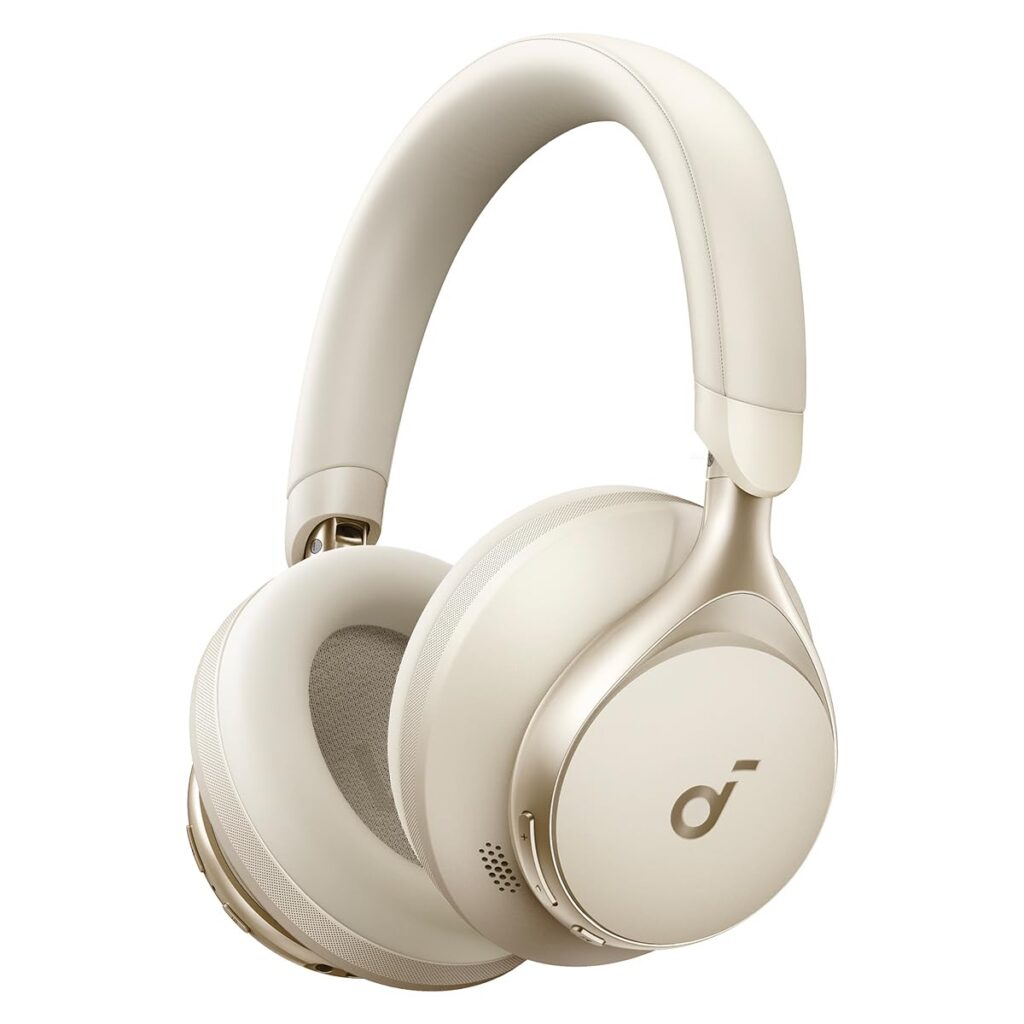
Over ear headphones will keep getting smarter and more personalized.
Expect to see:
- Better ANC that adapts in real time to different environments
- More advanced spatial audio and head‑tracking for movies, music, and gaming
- Improved integration with AI assistants for voice control and context‑aware features
- Personalized sound profiles that adjust based on your hearing over time
As processors get more efficient and batteries improve, you can expect more features without sacrificing comfort or listening time.
Credit: www.amazon.com
Frequently Asked Questions About Over ear Headphones
1. Are over ear headphones better than in‑ear or on‑ear headphones?
It depends on what you need.
Over ear headphones are generally better for comfort, sound quality, and immersion, especially over long listening sessions. In‑ear and on‑ear options are more portable and can be better for workouts or casual on‑the‑go use. Many people use both: over ear at home or work, earbuds for the gym and quick trips.
2. Are over ear headphones good for gaming?
Yes. Over ear headphones are great for gaming because they:
- Provide an immersive soundstage
- Help you hear positional cues like footsteps and direction
- Stay comfortable over long sessions
You can use a dedicated gaming headset with a built‑in mic, or pair good over ear headphones with a separate microphone for higher audio quality.
3. Are over ear headphones safe for my hearing?
Over ear headphones are safe as long as you use them at moderate volumes and take breaks. The main risk is listening too loud, for too long—just like with any headphones. Using ANC in noisy environments can help you keep the volume down and protect your ears.
4. Can I wear over ear headphones with glasses?
Yes, but comfort varies by model. Look for:
- Soft, thick pads that can compress around your frames
- Moderate clamping force
- Lighter weight
If possible, try them on with your glasses before committing, or buy from a retailer with a good return policy.
5. How long should a good pair of over ear headphones last?
With normal use and proper care, a quality pair can last 3–5 years or more. Replacing pads and cables when they wear out can extend that even further. Wireless models may eventually need battery service or replacement, but many last several years before that becomes an issue.
6. Do I need a headphone amplifier for over ear headphones?
Most consumer‑focused over ear headphones with low impedance work fine from phones and laptops. High‑impedance or more demanding audiophile/studio models can benefit from a dedicated headphone amp or audio interface, which can improve volume headroom and sound quality.
7. Are wireless over ear headphones good enough for studio work?
For critical recording, mixing, and mastering, wired over ear headphones are still preferred:
- No latency
- No compression from Bluetooth codecs
- More consistent performance
Wireless over ear headphones are great for casual editing, reference checks, and everyday listening, but serious studio work is usually done wired.
Conclusion: How to Choose the Right Over Ear Headphones for You
Over ear headphones offer a powerful combination of comfort, sound quality, and immersion that smaller designs often can’t match. From commuting and gaming to studio work and deep music sessions, they’re a versatile choice for many listeners.
To find the best over ear headphones for your needs:
- Decide where you’ll use them most: travel, work, gaming, studio, home listening, or all‑round use.
- Choose between closed‑back (better isolation) and open‑back (more natural sound in quiet spaces).
- Pick wired, wireless, or hybrid based on how you listen.
- Prioritize comfort—pads, weight, and clamping force matter more than you think.
- Set a budget and compare models from trusted brands that fit your price range.
Once you’re clear on those points, narrowing down your options becomes much easier.
If you tell me your budget, main use case (gaming, travel, work, studio, casual listening), and whether you prefer wired or wireless, I can help you shortlist a few specific over ear headphone models that fit your situation.

A passionate tech blogger and the founder of Best Tech View, a dynamic platform dedicated to all things technology. With a keen interest in the tech, Ahmad strives to provide insightful and engaging content on the latest tech trends, and breakthroughs.