

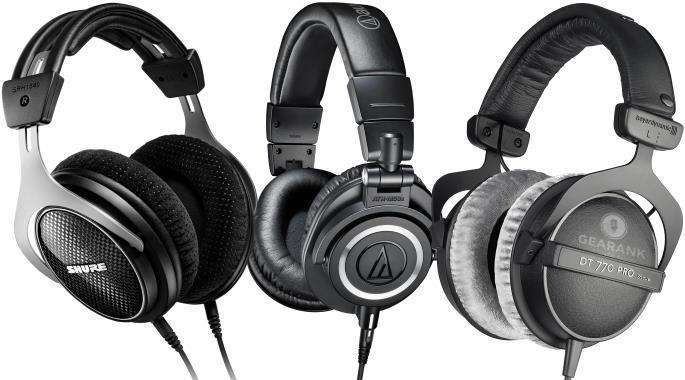
Best studio headphones for recording are not about excitement. They are about control.
Recording is about capture, not correction. If the source is clean, everything that follows becomes easier. If the source is compromised, no amount of editing, EQ, or plugins will fully repair it. That is why your monitoring setup during tracking matters more than most people realize.
When recording vocals, instruments, or voiceovers, two priorities dominate: isolation and control over what reaches the microphone.
Studio headphones designed for recording are built to provide stable, distraction‑free monitoring while preventing unwanted bleed. They are not meant to flatter the sound. They are meant to protect the take.
The goal during recording is not impressive playback. It is clean capture.
Containment comes first. Translation comes later.
What Makes a Headphone Good for Recording
Recording headphones serve a specific purpose. They are built to protect the take, not to impress the listener.
Unlike mixing headphones, which prioritize spatial judgment and tonal neutrality, recording headphones focus on containment, clarity, and performer reliability.
Here is what truly matters.
Isolation
Isolation is the first requirement.
A proper recording headphone blocks external noise and prevents the cue mix from leaking into the microphone. This is especially critical when tracking:
- Vocals
- Acoustic instruments
- Spoken word or voiceover
- Quiet or dynamic passages
Without sufficient isolation, performers often increase monitoring levels to compensate. Higher monitoring volume increases the risk of bleed and reduces control over the session.
Isolation protects both focus and capture quality.
Low Leakage
Leakage refers to sound escaping from the ear cups.
Even subtle leakage can be captured by sensitive microphones, particularly condenser models placed close to the source.
Leakage becomes problematic when:
- Recording close‑mic vocals
- Using high gain settings
- Working in quiet rooms
Low‑leakage headphones ensure that what the performer hears stays contained within the ear cups, rather than becoming part of the recorded signal.
Cue Clarity
During recording, the performer relies on the headphone mix.
They need to hear:
- Their own voice or instrument clearly
- The backing track at a controlled level
- Any timing or click elements in the cue mix
If the headphone response is muddy or overly colored, timing can drift and pitch control may suffer.
A good recording headphone emphasizes intelligibility and midrange clarity without exaggerated bass or harsh highs.
The goal is confidence, not coloration.
Comfort
Recording sessions often last longer than expected.
If headphones are uncomfortable, performers shift them, adjust volume unnecessarily, or lose concentration. Physical distraction affects performance consistency.
Look for:
- Soft, well‑padded ear cups
- Moderate clamping force that maintains seal without pressure
- Balanced weight distribution
Comfort is not cosmetic. It directly affects performance stability.
Why Closed‑Back Design Is Standard
Closed‑back construction is the industry standard for tracking.
A sealed ear cup:
- Reduces external noise
- Minimizes sound leakage
- Helps maintain consistent monitoring levels
Open‑back headphones, regardless of sound quality, allow sound to escape and external noise to enter. In active recording environments, this makes them unsuitable for tracking.
For a detailed breakdown of isolation‑focused options, see our best closed‑back studio headphones guide.
For recording, containment comes before spaciousness.
Open Back vs Closed Back for Recording
Why Closed‑Back Headphones Dominate
Closed‑back headphones are designed to contain sound within the ear cups.
They:
- Minimize audio leakage into the room
- Reduce external noise interference
- Provide more controlled cue monitoring
In tracking sessions where microphones are active, containment is critical. Even subtle bleed can affect clarity, especially when recording vocals or acoustic instruments.
Closed‑back designs help maintain separation between what the performer hears and what the microphone captures.
Why Open‑Back Designs Are Problematic for Recording
Open‑back headphones allow air and sound to pass freely through the ear cups.
That design choice improves spatial openness, but it also introduces:
- Noticeable sound leakage
- Increased risk of microphone bleed
- Reduced isolation from room noise
Even at moderate monitoring levels, open‑back headphones can leak enough signal to be picked up by sensitive condenser microphones. In close‑mic situations, this becomes especially apparent.
Practical Takeaway
If you are recording with a microphone in the same space, closed‑back headphones are generally the safer and more practical option.
This is not about preference or brand loyalty. It is about minimizing bleed and preserving the integrity of the recording.
Containment during tracking takes priority over spaciousness.
Mic Bleed: The Problem Most People Ignore
Mic bleed is one of the most common and underestimated problems in recording sessions.
It often goes unnoticed during tracking and only becomes obvious during editing or mixing, when removing it is far more difficult.
What Is Mic Bleed?
Mic bleed occurs when sound from the performer’s headphones is captured by the microphone during recording.
This can include:
- Click tracks
- Backing tracks
- Guide vocals
- Previously recorded instruments
Even subtle bleed can embed unwanted elements into a clean take.
Why It Matters
Bleed is rarely catastrophic on its own, but it introduces complications that are difficult to correct later.
Common consequences include:
- Phase interactions between the live signal and the leaked audio
- Unwanted background noise in quiet passages
- Reduced clarity during compression or EQ processing
In more extreme cases, excessive bleed forces a retake, especially during vocal sessions.
Why Microphones Pick It Up
Many studio microphones, particularly condenser types, are highly sensitive.
They capture not only the direct source, but also:
- Reflections within the room
- Ambient noise
- Leakage from nearby playback sources
If headphone leakage is present and monitoring volume is high, that signal can reach the microphone capsule. Close‑miked vocals make this even more likely.
Monitoring Volume and Bleed
Monitoring level is one of the biggest contributors to bleed.
When performers increase headphone volume:
- Leakage increases
- Microphone pickup increases
- Phase interaction becomes more pronounced
The solution is not maximum isolation alone. It is disciplined monitoring.
Keep headphone levels as low as possible while maintaining clear cue intelligibility.
Room Interaction and Environment
Bleed is not caused by headphones alone.
In untreated rooms:
- Reflections amplify leakage
- Background noise combines with headphone output
- Isolation becomes harder to maintain
A controlled recording environment reduces the cumulative impact of bleed and improves overall clarity.
Isolation, monitoring level, and room treatment work together.
Impedance and Power for Tracking
Impedance during tracking does not need to be overanalyzed, but it does need to be understood.
Recording prioritizes stability and predictable monitoring levels. Unlike mixing, where tonal nuance dominates, tracking focuses on reliable cue playback without strain.
Practical Guidelines
For most recording situations, low to moderate impedance headphones, typically between 32Ω and 80Ω, are the safest choice.
These models are:
- Easier to drive from standard audio interfaces
- More consistent in output level
- Less dependent on high‑voltage amplification
During tracking, the goal is clarity and containment, not maximum resolution.
When Power Becomes a Factor
If you choose higher‑impedance headphones, especially in the 150Ω to 300Ω range, the source output becomes more critical.
For a broader explanation of how impedance interacts with different devices, see our studio headphones for PC, Mac and phones guide.
Without sufficient amplification, you may notice:
- Limited maximum volume
- Reduced headroom
- Slightly restrained dynamics
This is not inherently a flaw in high‑impedance designs. It simply reflects the need for proper electrical matching.
For most tracking setups, simplicity is an advantage. A headphone that reaches stable monitoring levels without pushing the interface output to its limits reduces variables during recording.
Reliable volume and controlled playback matter more than theoretical performance gains at this stage.
Best Studio Headphones for Recording by Budget
All recommendations in this section focus on closed‑back designs, since isolation and low leakage are the primary priorities during tracking.
Under $100
| Model | Why It Works for Recording |
|---|---|
| Audio‑Technica ATH‑M20x | Simple tuning with usable isolation for basic tracking |
| Behringer HPS3000 | Budget‑friendly option for entry‑level sessions |
| OneOdio Pro Series | Adequate isolation for home recording setups |
At this level, the goal is functional containment rather than refinement. These headphones can handle basic vocal tracking and rehearsal sessions, but careful monitoring levels are still important.
Suitable for beginners or secondary recording stations.
$100–300
| Model | Why It Works for Recording |
|---|---|
| Audio‑Technica ATH‑M50x | Strong isolation and clear midrange presence |
| Beyerdynamic DT 770 Pro (80Ω) | Excellent comfort and consistent tracking performance |
| Sony MDR‑7506 | Industry staple for vocal and broadcast tracking |
This range offers the most practical balance between isolation, clarity, and durability. For most recording environments, this tier provides sufficient performance without requiring additional amplification complexity.
$300+
| Model | Why It Works for Recording |
|---|---|
| Beyerdynamic DT 1770 Pro | Premium isolation with improved detail control |
| Focal Listen Professional | Controlled low end and accurate monitoring |
| Shure SRH1540 | Lightweight design with strong isolation |
Higher‑end models often improve build quality, comfort, and long‑term reliability. While they may offer better refinement, the fundamental recording requirement remains the same: prevent bleed and maintain clear monitoring.
Spending more does not change the priority. Isolation and consistency remain central.
Recording vs Mixing Headphones
These are not the same tools.
Recording headphones
Focus on:
- Isolation
- Low leakage
- Performer clarity
They are designed to support the recording process.
Mixing headphones
Focus on:
- Accuracy
- Neutral response
- Spatial detail
They are designed to help you make decisions after recording.
Why the difference matters
Using mixing headphones for recording:
- Increases bleed risk
- Reduces isolation
Using recording headphones for mixing:
- Limits accuracy
- Can mislead balance decisions
Each tool has a purpose. Mixing them without understanding the trade-offs leads to problems.
Common Recording Mistakes
Monitoring too loud
High volume increases:
- Ear fatigue
- Mic bleed
- Distortion risk
Keep levels controlled.
Using open-back headphones
This is one of the most common mistakes.
Result:
- Audio leaks into microphone
- Recording becomes contaminated
Ignoring comfort
Uncomfortable headphones:
- Distract performers
- Affect performance quality
Poor cable management
Loose or tangled cables:
- Interfere with movement
- Create noise if touched
- Slow down workflow
Simple fixes:
- Use proper cable length
- Secure connections
Frequently Asked Questions On Best Studio Headphones For Recording
Are closed-back headphones required for recording?
In most cases, yes. They provide the isolation and leakage control needed for clean recordings.
Can I use the same headphones for recording and mixing?
You can, but it is not ideal. Each task benefits from different characteristics.
How do I reduce mic bleed?
Use closed-back headphones, keep volume moderate, and position the microphone carefully.
Do I need an amp for recording headphones?
Not usually. Most recording headphones are designed to work with standard audio interfaces.
Why does my recording pick up headphone sound?
Because of leakage and high monitoring volume. Reducing both helps solve the issue.
Conclusion
Recording is about control.
Before you think about tone, EQ, or processing, you need a clean signal. That starts with proper isolation and minimal leakage.
Studio headphones for recording are not about excitement or detail. They are about containment.
If your tracking setup is clean:
- Mixing becomes easier
- Problems are reduced
- Results improve faster
Containment comes first.
Translation comes later.

A passionate tech blogger and the founder of Best Tech View, a dynamic platform dedicated to all things technology. With a keen interest in the tech, Ahmad strives to provide insightful and engaging content on the latest tech trends, and breakthroughs.