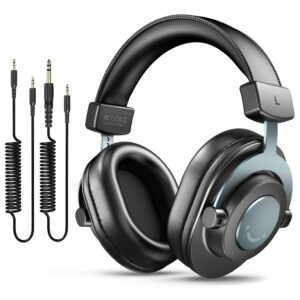

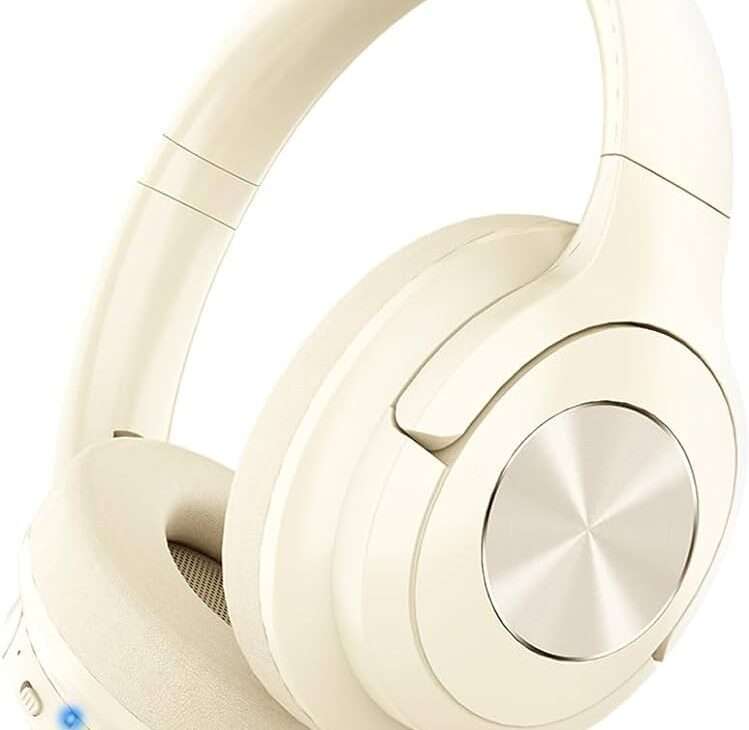
Wireless headphones have completely changed how we listen to music, watch videos, play games, and take calls. No tangled cords, no broken jacks—just clean, powerful sound wherever you go.
In the US, wireless headphones are now everyday essentials:
- Commuters block out subway noise
- Remote workers use them for Zoom calls
- Students stream lectures and videos
- Gym‑goers train without cables getting in the way
But with so many brands and models on the market, how do you find the best wireless headphones in 2026 for your budget and lifestyle?
This guide covers:
- How headphones evolved from wired to wireless
- Key benefits of wireless and noise‑cancelling headphones
- Main types: Bluetooth, RF, true wireless earbuds, ANC
- What to look for before you buy
- The top wireless headphones to consider in 2026 (with comparison table)
- How wireless headphones work
- Wireless vs wired: which is better for you
- Best choices for gym, travel, gaming, and work
- How to care for your headphones and protect your hearing
- FAQs based on real user questions
All product details are accurate as of late 2025; newer 2026 releases may add more choices, but the buying principles remain the same.
How We Got Here: The Evolution of Headphones
From Bulky Headsets to Sleek Wireless Audio
Decades ago, personal listening was clunky. Early headphones were large, heavy, and always wired. You plugged them into radios, stereos, or later, cassette and CD players.
As technology shrank, headphones evolved:
- Big over-ear studio-style models
- Lighter on-ear and in-ear designs
- Portable wired earphones bundled with MP3 players and phones
- Finally, wireless headphones and true wireless earbuds
Each step focused on the same goal: better sound, more comfort, and more freedom.
From Wires to Bluetooth and Beyond
When all headphones were wired, one problem kept showing up: the cable. It tangled, snagged, broke at the plug, or simply got in the way.
Wireless audio solved that—thanks mainly to Bluetooth.
Here’s a simple look at how wireless headphones became mainstream:
| Year/Period | Milestone |
| Early 2000s | First Bluetooth headsets for phones (mostly for calls) |
| Late 2000s | Bluetooth gets more stable; early stereo Bluetooth headphones appear |
| Early 2010s | Smartphones and tablets explode in popularity |
| Mid-2010s | Major brands launch high-quality Bluetooth headphones and earbuds |
| 2016+ | Big phone makers start removing the 3.5mm headphone jack |
| Late 2010s | True wireless earbuds (no cable between buds) become mainstream |
| 2020s | Noise cancelling, spatial audio, multipoint, and seamless device switching |
Today, wireless headphones are the default choice for many US consumers, not the exception.
Why Wireless Headphones Are So Popular
Freedom and Portability
Wireless headphones:
- Fold or collapse for easy storage
- Fit easily in backpacks, purses, or even pockets (true wireless earbuds)
- Are perfect for commuting, travel, and everyday carry
No cable means you can move, stretch, and multitask without worrying about snagging a cord.
No More Tangled Cords
One of the biggest everyday wins:
- No more untangling knots every time you pull headphones out of a bag
- Less risk of damaging the cable or jack
- Nothing to catch on door handles, gym equipment, or your clothes
You just put them on, tap connect, and start listening.
Full Range of Motion
Wireless headphones give you true freedom of movement:
- Run, lift, or cycle without a wire brushing your arm
- Walk around during calls or meetings at home
- Cook, clean, or do yard work while your phone charges across the room
This is especially important if you lead an active lifestyle or work from home.
Easy Compatibility With Many Devices
Most wireless headphones use Bluetooth, which is supported by nearly all modern devices.
| Device Type | How You’ll Use Wireless Headphones |
|---|---|
| Smartphones | Music, podcasts, calls, social media, video apps |
| Tablets | Movies, streaming, games, kids’ content |
| Laptops | Zoom/Teams/Meet calls, editing, gaming, streaming |
| TVs* | Late‑night watching without disturbing others |
| Consoles* | Gaming audio (with compatible headsets or adapters) |
*Some TVs and consoles may need a Bluetooth transmitter or a dedicated wireless gaming headset.
Main Types of Wireless Headphones
Bluetooth Headphones
These are the standard wireless headphones most people think of:
- Connect via Bluetooth to phones, tablets, laptops, and some TVs
- Available in over‑ear headphones, on‑ear headphones, and in‑ear headphones styles
- Great all‑rounders for music, calls, and media
For most US buyers, Bluetooth headphones are the best starting point.
RF (Radio Frequency) Headphones
RF headphones use a base station connected to your TV or stereo:
- Offer a longer range than Bluetooth
- Perform well through walls in a single home
- Commonly used for TV watching, especially at night
They’re less flexible than Bluetooth (tied to the base station), but great for home entertainment.
Noise‑Cancelling Headphones (ANC)
Noise‑cancelling headphones use Active Noise Cancellation (ANC) to reduce ambient sound:
- Ideal for planes, trains, buses, and noisy offices
- Use built‑in microphones to “listen” to outside noise and cancel it before it reaches your ear
- Often include a transparency/ambient mode to let outside sound in when needed
If you travel frequently or work in noisy environments, wireless noise‑cancelling headphones are worth the investment.
For a deeper dive into how ANC works and when it’s worth it, check our guide on the magic of noise‑canceling headphones.
True Wireless Earbuds
True wireless earbuds:
- Have no wires at all—not even between the two earbuds
- Include a charging case for extra battery life on the go
- They are tiny and lightweight, perfect for pockets and small bags
Great for:
- They’re great for gym and running, and if you focus mainly on fitness, you can also explore our dedicated sports headphones guide.
- Daily commuting
- People who want the most compact setup possible
Many true wireless earbuds now offer ANC, multipoint connectivity, and even spatial audio.
What to Consider Before Buying Wireless Headphones
To find the best wireless headphones in 2026 for your needs, focus on a few key factors.
Sound Quality
Good sound is more than just strong bass. You want:
- Clear vocals and instruments
- Balanced highs, mids, and lows
- Enough detail to enjoy the music at lower volumes
Check for:
- Support for modern Bluetooth codecs like AAC, aptX, or LDAC (depends on your device)
- A reputation for good tuning in expert and user reviews
- An app with EQ controls so you can adjust the sound to your taste
If music quality matters most to you, prioritize sound above everything else.
Battery Life and Charging
Look at both playback time and how you charge:
- Over‑ear headphones: aim for 20–30+ hours per charge with ANC on
- True wireless earbuds: look for 5–8+ hours per charge, plus extra from the case
Also consider:
- Fast charging (e.g., a 10–15-minute charge = a few hours of playback)
- USB‑C charging for convenience
- Auto power‑off features to save battery when not in use
Comfort and Fit
Comfort can make or break your experience.
For over‑ear / on‑ear headphones:
- Soft, breathable ear cushions
- Adjustable headband for different head sizes
- Moderate clamping force (not too tight or too loose)
For in‑ear / earbuds:
- Multiple ear tip sizes (S/M/L) for a proper seal
- Secure fit for workouts
- Lightweight design that doesn’t cause soreness over time
Whenever possible, buy from a retailer with a good return policy, in case the fit doesn’t work for you.
Noise Cancelling and Transparency Modes
If you commute, fly, or work around other people, ANC is a big plus:
- Reduces engine noise, AC hum, and office chatter
- Lets you listen at a lower volume, which is better for your hearing
Transparency or ambient modes:
- Let you hear your surroundings (traffic, announcements, coworkers)
- Are great for outdoor walking or quick conversations
Look for models that balance strong ANC with natural‑sounding transparency.
Brand Reputation and App Support
A reputable brand often means:
- More consistent quality control
- Better Bluetooth stability
- Regular firmware updates for bug fixes and new features
- Reliable customer support and warranties
Before buying, skim recent reviews and check that the app is active and updated—not abandoned.

Credit: www.ebay.com
Modern Features to Look For in 2026
Today’s wireless headphones are more than just speakers on your head. New models in 2026 come packed with smart features that make everyday use easier, more intuitive, and more enjoyable. When you’re comparing options, these modern features can be real difference‑makers.
Touch Controls and Gestures
Many wireless headphones now replace physical buttons with touch controls:
- Tap to play, pause, or skip tracks
- Swipe to adjust volume
- Long‑press to enable noise cancelling or voice assistants
These controls make it simple to manage your audio without reaching for your phone, especially when commuting or working out.
Automatic Pause and Play
Auto pause/play features use sensors to detect when you’re wearing your headphones:
- Auto‑pause – Take your headphones off, and playback stops automatically
- Auto‑play – Put them back o,n and your music or podcast resumes
This not only adds convenience but can also help save battery life and prevent missed moments in your favorite content.
Multipoint and Smart Connectivity
Modern wireless headphones often support multipoint Bluetooth and smarter device switching:
- Stay connected to your phone and laptop at the same time
- Seamlessly switch from a movie on your computer to a call on your phone
- Reduce the hassle of constantly repairing devices
If you work from home or use multiple devices daily, multipoint connectivity is extremely useful.
Adaptive Sound and Spatial Audio
Premium models now offer advanced processing for a more immersive experience:
- Adaptive sound: Automatically adjusts ANC and volume based on your surroundings
- Spatial audio: Creates a 3D soundstage for movies and some music, making audio feel more cinematic
These technologies won’t be essential for everyone, but they can significantly enhance the sound quality of modern wireless headphones in various environments.
Water and Sweat Resistance
If you use wireless headphones at the gym or outdoors, check the IP rating:
- IPX4 or higher is recommended for workouts and light rain
- Sweat‑resistant designs help protect your investment over time
Even if you’re not a heavy gym user, some level of water resistance adds peace of mind for everyday use.
Useful Accessories for Wireless Headphones
The right accessories can protect your wireless headphones, improve comfort, and expand how and where you use them. You don’t need all of these, but a few smart additions can make a big difference.
Protective Cases and Travel Pouches
A good case helps your headphones last longer:
- Hard cases – Best for over‑ear and on‑ear headphones; protect against drops, pressure, and scratches
- Soft pouches – Great for true wireless earbuds and light travel
If your headphones didn’t come with a sturdy case, buying one is a simple way to protect them in bags and suitcases.
Extra Ear Tips and Ear Hooks
For in‑ear and true wireless models, fit is everything:
- Silicone or foam ear tips – Different sizes and materials help you get a better seal and improved comfort
- Ear hooks or wings – Keep buds secure during running or intense workouts
Spending a little on better tips can improve both sound quality and isolation.
Charging Cables, Stands, and Mats
Reliable charging accessories keep your wireless headphones ready to go:
- Quality USB‑C cables for faster, more stable charging
- Charging stands or docks to keep your desk organized
- Wireless charging mats (for compatible cases) to charge earbuds without plugging in
Make sure your replacement cables and chargers are from reputable brands to avoid damaging the battery.
Bluetooth Transmitters and Adapters
If you want to use wireless headphones with older devices, consider:
- Bluetooth transmitters for TVs, game consoles, or airplane entertainment systems
- Audio adapters for in‑flight use or older stereo equipment
These accessories turn almost any audio source into a wireless‑friendly device, so you can use one pair of headphones everywhere.
Best Wireless Headphones for 2026 (Top Picks for US Buyers)
Below is a snapshot of some of the best wireless and noise‑cancelling headphones on the US market. Prices and availability can change, so always check current listings.
Quick Comparison Table
| Model | Best For | Key Strengths | Approx. Battery (ANC on)* | Typical US Price Range* |
|---|---|---|---|---|
| Sony WH‑1000XM6 | All‑round premium pick | Class‑leading ANC, rich sound, great features | Up to ~30 hours | ~$350–$399 |
| Bose QuietComfort Ultra (2nd Gen) | Comfort & travel | Superb comfort, strong ANC, natural sound | Up to ~24 hours | ~$350–$429 |
| Sennheiser Momentum 4 Wireless | Sound & battery life | Detailed audio, huge battery, app EQ | Up to ~60 hours | ~$300–$349 |
| Apple AirPods Max | Apple ecosystem users | Excellent ANC, spatial audio, integration | Up to ~20 hours | ~$479–$549 (often on sale) |
| Beats Studio Pro | Style & modern music | Punchy sound, spatial audio, USB‑C | ~24 hours (ANC on) | ~$250–$349 |
| Focal Bathys | Audiophile wireless | Hi‑fi sound, ANC, USB‑DAC mode | ~30+ hours | ~$699–$799 |
| Anker Soundcore Space One/Q45 | Budget noise‑cancelling | Great value, decent ANC, long battery | 40–50+ hours | ~$80–$150 |
*Battery and pricing are approximate and depend on usage and promotions.
Sony WH‑1000XM6 – The All‑Rounder
Sony’s WH‑1000XM series consistently ranks among the best wireless noise‑cancelling headphones available.
- Excellent ANC that effectively reduces engine noise and office chatter
- Warm, engaging sound with customizable EQ in the Sony app
- Up to around 30 hours of battery with ANC on
- Multipoint Bluetooth to connect to two devices at once
If you want one pair that does almost everything well—music, travel, calls, work—the XM6 is a top choice.
Bose QuietComfort Ultra (2nd Gen) – King of Comfort
The Bose QuietComfort Ultra (2nd Gen) is built for comfort and travel:
- Among the most comfortable over‑ear headphones you can buy
- Strong ANC, especially for low‑frequency noise
- Balanced, easy‑listening sound profile
- Support for immersive audio modes
If you’re a frequent flyer or wear headphones for many hours a day, Bose is hard to beat.
Sennheiser Momentum 4 Wireless – Sound and Endurance
For listeners who prioritize rich, detailed audio, the Momentum 4 Wireless stands out:
- Lively, detailed sound with strong but controlled bass
- Up to 60 hours of battery life in optimal conditions
- Comfortable fit and a clean, modern design
- Powerful EQ and personalization in the Sennheiser app
Ideal if you want great sound quality and don’t want to recharge constantly.
Apple AirPods Max – Best for Apple Users
The AirPods Max is Apple’s premium over‑ear option:
- Top‑tier ANC and outstanding transparency mode
- Impressive spatial audio with head tracking for movies and Apple TV+
- Tight integration with iPhone, iPad, Mac, and Apple TV (instant pairing and switching)
- Premium materials and build
If you live inside the Apple ecosystem and watch a lot of movies or TV shows, the AirPods Max delivers a fantastic experience—though at a premium price.
Beats Studio Pro – Stylish and Fun
The Beats Studio Pro blends style with much improved sound:
- Punchy, enjoyable tuning with better balance than older Beats models
- Personalized spatial audio support
- USB‑C with support for some wired digital audio scenarios
- Solid ANC and good battery life (around 24 hours with ANC on)
Great for users who want something stylish that still performs well for modern pop, hip‑hop, and electronic music.
Focal Bathys – Audiophile‑Grade Wireless
The Focal Bathys targets listeners who want hi‑fi sound in a portable, wireless package:
- Highly detailed, dynamic tuning with excellent clarity
- Built‑in ANC plus a USB‑DAC mode for higher‑quality wired digital audio
- Premium build with luxurious materials
If your budget is higher and sound quality is your absolute top priority, Bathys is one of the best wireless headphones you can buy.
Anker Soundcore Space Series – Best Budget ANC
For US buyers on a tighter budget, Anker Soundcore offers very competitive models like the Space One and Q45:
- Surprisingly good noise cancelling for the price
- Solid battery life (often 40+ hours)
- Comfortable design and a capable companion app
If you want wireless noise‑cancelling headphones under $150, the Soundcore Space series is worth serious consideration.
How Wireless Headphones Work (In Simple Terms)
Bluetooth vs RF Connections
Most modern wireless headphones use Bluetooth technology. If you want to learn more about the official standard behind Bluetooth, you can also visit the Bluetooth SIG website, which maintains the core specifications.
- Short‑range wireless connection (usually up to ~30 ft / 10 m)
- Designed for low power use and compatibility with phones, tablets, and laptops
Some home‑theater headphones use RF (radio frequency) with a base station:
- Longer range inside the home
- Can work better through walls
- Less flexible than Bluetooth for mobile devices
From Device to Ears: The Audio Journey
- Your phone or laptop converts audio into digital data
- The data is compressed using a codec (SBC, AAC, aptX, LDAC, etc.)
- It’s sent wirelessly via Bluetooth or RF to your headphones
- The headphones decode the signal and convert it back into an analog audio signal
- Tiny speaker drivers in the earcups or earbuds play the sound you hear
This all happens fast enough that it feels instant.
Internal Components and Battery Operation
Inside wireless headphones, you’ll find:
- Bluetooth chip/receiver – handles the wireless connection
- DAC (Digital‑to‑Analog Converter) – turns digital data into analog sound
- Amplifier – boosts the signal to drive the speakers
- Drivers – tiny speakers that create sound
- Battery – rechargeable, usually via USB‑C or a charging case
Proper charging and storage habits help keep that battery healthy over time.
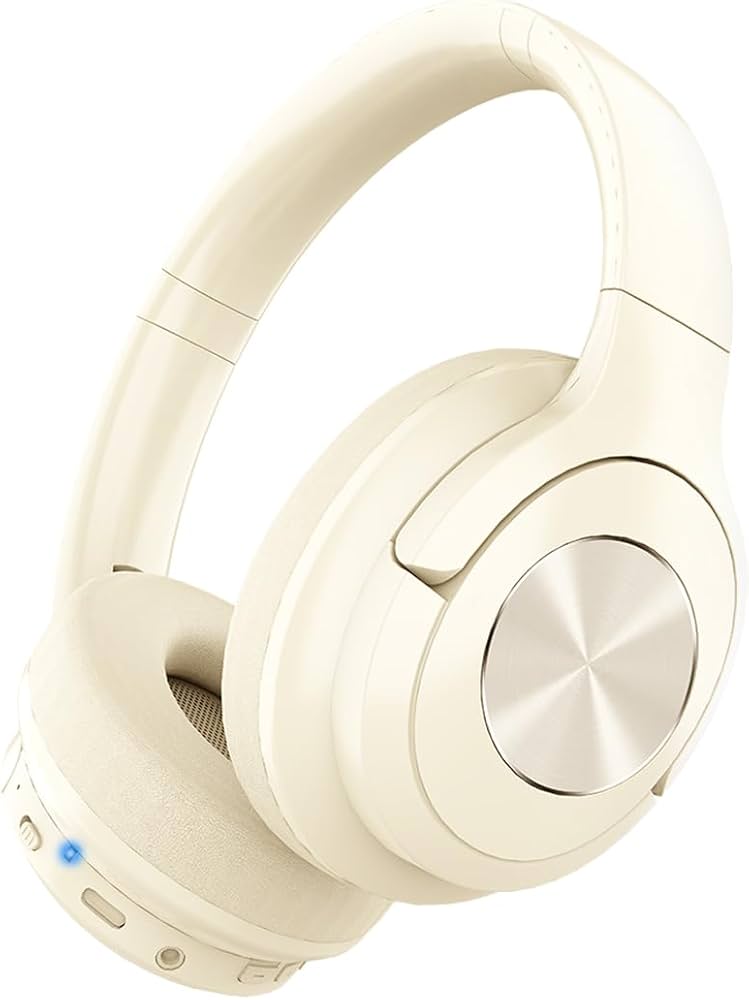
Wireless vs Wired Headphones: Which Is Better?
There’s no one‑size‑fits‑all answer. It depends on how you listen.
| Aspect | Wireless Headphones | Wired Headphones |
|---|---|---|
| Convenience | No wires, full freedom of movement | Tethered to your device |
| Sound Quality | Excellent on high‑end models, slight compression | Often best for pure fidelity & zero compression |
| Latency (Delay) | Usually low, but can be noticeable for some games/apps | Near‑zero latency |
| Battery | Need regular charging | No charging required |
| Compatibility | Needs Bluetooth; great with modern devices | Needs 3.5mm/USB; many phones lack headphone jacks |
| Portability | Very portable, especially true wireless earbuds | Cable can snag or tangle |
- For everyday life, commuting, travel, and workouts, wireless wins.
- For studio work, serious competitive gaming, or audiophile setups, wired can still offer advantages.
Credit: www.amazon.com
Best Wireless Headphones for Different Activities
Gym and Workouts
Look for:
- Sweat and water resistance (at least IPX4 rating)
- Secure fit (ear hooks or snug in‑ear design)
- Lightweight construction
True wireless sport earbuds are usually the best choice for running and high‑intensity training.
Travel and Commuting
Prioritize:
- Strong ANC to cut engine and crowd noise
- Long battery life and fast charging
- Foldable or compact design
Models like Sony WH‑1000XM6, Bose QC Ultra, and AirPods Max are especially popular for travel.
Gaming and Entertainment
For gaming and streaming:
- Low latency is important (wired mode or dedicated gaming headsets can help)
- Clear mic quality for multiplayer chat
- Wide, immersive sound for positional audio
Casual gamers can do fine with good Bluetooth headphones; serious competitive gamers often prefer wired or specialized wireless gaming headsets.
Work, Calls, and Productivity
If you work from home or join lots of calls:
- Look for excellent microphone quality
- ANC or good isolation to reduce background noise
- Multipoint connectivity to switch between the laptop and the phone
- All‑day comfort
Check reviews that specifically mention call clarity and comfort in long meetings.
The Future Of Wireless Headphone Technology
Wireless headphone tech is evolving quickly. As we move through 2026 and beyond, expect:
Longer Battery Life and Faster Charging
- More efficient chips and Bluetooth versions
- Bigger or smarter batteries
- Rapid charging that gives hours of use from a quick 10–15 minute top-up
Smarter AI and Voice Assistants
- Better integration with Siri, Google Assistant, and Alexa
- Smarter noise control that adapts automatically to your environment
- Personalized audio profiles tuned to your hearing over time
More Advanced Noise Cancelling
- Algorithms that adjust in real time to different types of noise
- Better wind noise reduction for outdoor use
- More natural-sounding transparency and conversation modes
Wireless headphones will continue to blur the line between audio devices, wearable tech, and smart assistants.
Caring For Your Wireless Headphones
Proper Storage and Handling
Treat your wireless headphones like you treat your phone:
- Store them in a case or pouch when not in use
- Avoid throwing them loose into a backpack or purse
- Don’t leave them under heavy objects or in tight spaces that bend the headband
Avoid extreme heat or cold—both can damage electronics and batteries.
Cleaning and Maintenance Tips
Over time, ear cushions and ear tips collect sweat, oil, dust, and earwax.
For over‑ear / on‑ear headphones:
- Power them off before cleaning
- Wipe headband and earcups with a slightly damp microfiber cloth
- Gently clean cushions with a dry or barely damp cloth
- Avoid harsh chemicals or soaking the pads
For true wireless earbuds and in‑ear models:
- Remove silicone tips and rinse them with warm water; dry completely
- Use a soft brush or cotton swab to gently clear debris from the speaker mesh
- Clean charging contacts on the earbuds and case with a dry swab
Replacing worn‑out ear pads or tips can dramatically improve comfort and hygiene.
Battery Care and Power Tips
To help your battery last longer over the years:
- Avoid letting the battery hit 0% every single time; recharge around 20–40% when possible
- Store headphones for long breaks at 40–60% charge in a cool, dry place
- Use power‑saving features like auto‑off and low‑power modes
Most modern wireless headphones are designed to handle daily charging, so don’t stress, but smarter habits do help.
Wireless Headphones and Health: What You Should Know
Bluetooth and EMF Concerns
Wireless headphones use low‑power Bluetooth, a form of non‑ionizing radiation. Based on current research and safety guidelines:
- Bluetooth devices operate well below the limits considered harmful
- There is no strong scientific evidence that normal Bluetooth headphone use causes health issues
If you want to read more about electromagnetic fields and non‑ionizing radiation, you can check resources from major health organizations such as the World Health Organization.
That said, research continues, and if you’re concerned, you can:
- Keep volume moderate
- Take listening breaks
- Use wired headphones part of the time
Protecting Your Hearing
The bigger real‑world risk is loud volume, not Bluetooth itself.
To protect your ears:
- Try the 60/60 rule: no more than 60% volume for 60 minutes at a time
- Use ANC to reduce background noise so you don’t need to crank the volume
- If people near you can clearly hear your music, your volume is probably too high
Long‑term exposure to loud sound can cause permanent hearing damage, so consistent moderate listening is key. For more detailed guidance on safe listening levels and noise‑induced hearing loss, you can refer to information from the CDC or the National Institute on Deafness and Other Communication Disorders (NIDCD).
Comfort and Ergonomics
Wearing headphones for long sessions can cause:
- Pressure or soreness on ears and head
- Fatigue if the headset is too heavy or clamps too tightly
Pick models with:
- Soft padding and adjustable headbands
- Lightweight designs appropriate for your use
- A fit that doesn’t create hot spots
Take short breaks every couple of hours to let your ears and head rest.
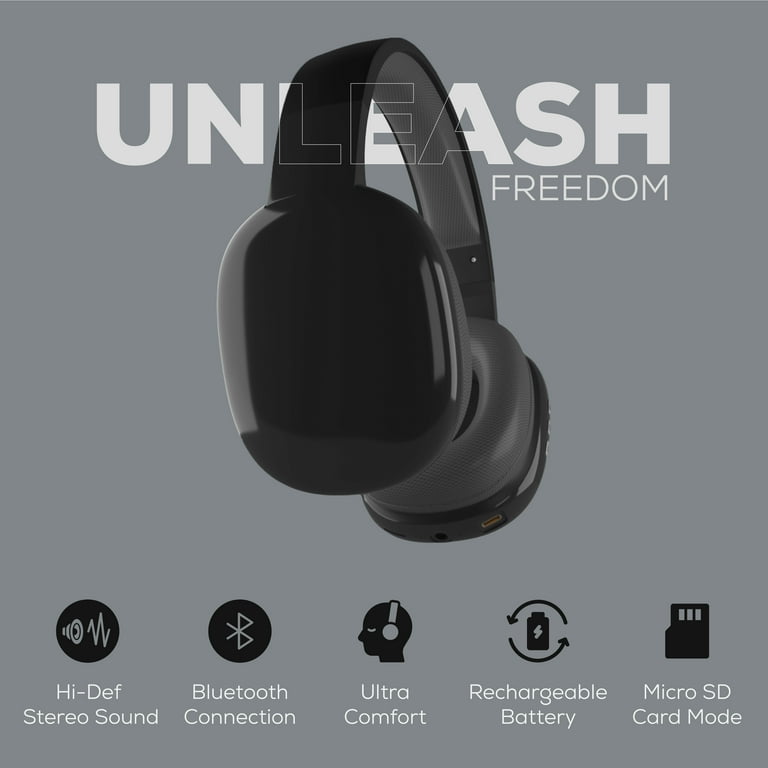
Credit: www.walmart.com
Frequently Asked Questions For Wireless Headphones
1. Are wireless headphones better than wired headphones?
It depends on what you value most.
Wireless headphones are better for convenience, portability, and freedom of movement—perfect for commuting, travel, workouts, and everyday use.
Wired headphones can still offer the very best sound fidelity and zero latency, which some audiophiles, musicians, and competitive gamers prefer. For most people in 2026, a good pair of wireless headphones is more than enough for daily listening.
2. What are the best wireless headphones for 2026?
The best choice depends on your budget and how you use them, but strong contenders include:
- Sony WH‑1000XM6 – Excellent all‑round noise‑cancelling headphones
- Bose QuietComfort Ultra – Superb comfort and ANC for travel
- Sennheiser Momentum 4 Wireless – Great sound and extremely long battery life
- Apple AirPods Max – Best for Apple users who want top‑tier ANC and spatial audio
For tighter budgets, models from Anker Soundcore’s Space series offer very good ANC and sound at much lower prices.
3. What should I look for before buying wireless headphones?
Focus on:
- Sound quality – Clear, balanced, and enjoyable for your favorite genres
- Battery life – At least 20+ hours for over‑ear, or 5–8+ hours per charge for earbuds
- Comfort and fit – Soft materials, lightweight, and secure fit
- Noise cancelling (ANC) – Important if you commute, travel, or work in noisy places
- Connectivity – Stable Bluetooth, multipoint pairing, and compatibility with your devices
- Brand reputation – Strong reviews, active app updates, and good warranty/support
Match these to your budget and daily habits for the best result.
4. Are Noise‑cancelling headphones safe for daily use?
Yes, ANC itself is safe for daily use. Active Noise Cancellation just reduces external noise; it doesn’t harm your ears.
The real concern is listening at high volume for long periods. To protect your hearing, aim to keep the volume at a comfortable level (around 60–70% of max) and take breaks during very long sessions.
5. Do wireless headphones work with both iPhone and Android?
Yes. Most Bluetooth wireless headphones work with both iPhone and Android devices.
However:
- Some features are platform‑specific (for example, Apple’s spatial audio and instant pairing with AirPods, or Android‑only codecs like certain aptX/LDAC options).
- Core functions—music playback, calls, volume control, and ANC—will work on both platforms.
6. Can I use wireless headphones for gaming without lag?
You can, but standard Bluetooth can introduce a bit of audio delay, which you may notice in fast‑paced games. To reduce lag:
- Use wired mode if your wireless headphones support it
- Choose a low‑latency wireless gaming headset with its own USB dongle
- Look for low‑latency codecs (like aptX Low Latency), and make sure both your device and headphones support them
For casual gaming and streaming, most good wireless headphones are fine; for serious competitive play, wired is usually better.
7. How long do wireless headphones usually last?
Two things matter:
- Battery per charge:
- Over‑ear models: usually 20–40+ hours
- True wireless earbuds: typically 5–10+ hours per charge, plus extra from the case
- Overall lifespan:
With normal use, good wireless headphones can last 3–5 years or more. Over time, battery capacity will slowly decline. Storing them properly, keeping them clean, and avoiding extreme temperatures will help extend their life.
Conclusion: How to Choose the Right Wireless Headphones for You
Wireless headphones are no longer a luxury—they’re a core part of how we work, travel, study, and relax. The best wireless headphones of 2026 combine great sound, strong noise cancelling, long battery life, and all‑day comfort in a single, cordless package.
To pick the right pair:
- Decide your main use case: travel, gym, work, gaming, or all‑around everyday use
- Set a realistic budget (under $100, $100–$300, or premium $300+)
- Choose the style you prefer: over‑ear, on‑ear, or true wireless earbuds
- Decide if you need ANC and multipoint connectivity
- Shortlist 2–3 models from this guide and compare real‑world reviews
If you tell me your budget, primary use (gym, commuting, office, gaming), and whether you mainly use iPhone or Android, I can help you narrow this down to a few specific wireless headphone models that fit you best.

A passionate tech blogger and the founder of Best Tech View, a dynamic platform dedicated to all things technology. With a keen interest in the tech, Ahmad strives to provide insightful and engaging content on the latest tech trends, and breakthroughs.