

Even in a world full of Bluetooth and true wireless earbuds, wired headphones haven’t disappeared. In fact, for many music lovers, gamers, studio professionals, and budget‑conscious buyers in the US, they’re still the first choice.
Why?
- No batteries to charge
- No Bluetooth pairing or connection dropouts
- Consistent, high‑quality sound with zero latency
- Often cheaper than equivalent‑quality wireless models
From classic over ear studio cans to compact in‑ear monitors, wired headphones offer a direct, dependable way to connect to your music, games, and work calls.
In this guide, you’ll learn:
- Why wired headphones still matter in a wireless age
- How wired headphones handle sound and why many audiophiles prefer them
- What jack types, DACs, and amplifiers you need to know about
- How impedance, sensitivity, and cable design affect your listening
- The role of wired headphones in studios, broadcasting, gaming, and DJing
- Their advantages in cost, reliability, and sustainability
- How to choose and care for the best wired headphones for your use case
Let’s plug in.
Why Wired Headphones Still Matter in a Wireless World
The Enduring Appeal
Despite the rise of wireless headphones and earbuds, wired models keep selling for simple reasons:
- Reliability: Plug in → sound works. No pairing, no random drops.
- Consistency: No battery = no sound quality changes as power runs low.
- Compatibility: With the right adapters, they can connect to almost anything.
For many people, especially those who care about audio quality or work professionally with sound, wired headphones feel like a tool—not just a gadget.
The “Retro” Charm
There’s also a cultural side. Like vinyl records and cassette decks:
- Plugging in a cable has a tactile, ritual feel
- There’s a sense of connection to the “golden age” of hi‑fi audio
- Classic wired models (like certain Sennheiser, Audio‑Technica, and Beyerdynamic headphones) have become icons that people still seek out
Wired headphones capture that blend of nostalgia and practicality.
Why Audiophiles Still Love Wires
Audiophiles and sound engineers often prefer wired headphones because:
- There’s no Bluetooth audio codec in the signal path to compress or re‑encode audio
- Latency is effectively zero, which is critical for playing instruments, editing, and gaming
- Cables can carry high‑resolution audio from a good DAC/amp directly to your ears
Wireless technology has improved a lot, but if you’re chasing the cleanest possible signal path, wired is still hard to beat.
How Wired Headphones Reproduce Sound
Understanding how wired headphones work can help you choose the right pair.
Analog Signal Path (in Simple Terms)
Most of your music and movies start as digital files (Spotify, Apple Music, YouTube, games, etc.). To play through wired headphones:
- Your device (phone, DAC, audio interface, etc.) converts digital audio to analog using a DAC (Digital‑to‑Analog Converter).
- That analog electrical signal travels through the headphone cable.
- Inside the headphones, drivers (miniature speakers) convert that electrical signal into sound waves.
The key difference from wireless headphones:
With wired models, the cable carries analog audio directly to the drivers, instead of sending compressed Bluetooth audio to be decoded inside the headphones.
Drivers and Frequency Response
The “driver” is the tiny speaker in each earcup or earpiece. Different designs affect sound:
- Dynamic drivers
- Most common
- Can deliver powerful bass and good overall sound
- Found in many budget and mid‑range wired headphones
- Balanced armature drivers (in some in‑ear monitors)
- Smaller and very efficient
- Known for detailed, precise sound
- Often combined in multi‑driver setups
- Planar magnetic drivers
- Larger, flat diaphragms with magnets on both sides
- Very accurate, fast, and detailed
- Popular in mid‑ to high‑end audiophile over ear headphones
- Electrostatic drivers (niche, high‑end)
- Extremely light diaphragms
- Exceptional clarity and speed
- Require special amplifier units; not common for everyday use
Frequency response tells you what range of tones the headphones can reproduce, usually shown as:
- Standard human hearing: 20 Hz – 20 kHz
- Below 20 Hz: “feels” like rumble (sub‑bass) more than you directly hear
- Above 20 kHz: about subtle air and detail, not something you clearly hear as pitch
A wide frequency response doesn’t automatically mean better sound, but when combined with good driver design and tuning, it can help create a more satisfying listening experience.
Connectivity and Compatibility
Jack Sizes and Types
Wired headphones can connect using several plug types:
- 3.5 mm (1/8″) jack
- The most common plug for consumer headphones
- Found on many laptops, older phones, tablets, and portable players
- 6.35 mm (1/4″) jack
- Standard for pro audio gear: audio interfaces, mixers, amplifiers
- Common on studio and hi‑fi headphones
- 2.5 mm balanced / 4.4 mm balanced (more niche)
- Used in some audiophile and high‑end portable setups
- USB‑C or Lightning
- Some modern wired headphones and dongles use USB‑C (Android, laptops) or Lightning (older iPhones) to connect digitally
- Your phone or dongle handles the DAC/amp internally
If your device doesn’t have the right jack, a good-quality adapter or dongle can bridge the gap.
The Role of DACs and Amps
A DAC (Digital‑to‑Analog Converter) turns digital audio into analog signals. Every phone and computer with a headphone output has one, but:
- Quality varies widely
- Some built‑in DACs are noisy or weak, especially in cheaper laptops and phones
An external DAC or headphone amplifier can:
- Improve clarity, dynamics, and volume
- Properly drive higher‑impedance or more demanding headphones
- Reduce noise and distortion from poor onboard audio circuits
Some wired headphones even include built‑in DAC/amp modules via USB, but most traditional models rely on your source device.
Whether you prefer full‑size over ear headphones for comfort or compact in ear headphones for portability, they all benefit from a clean analog connection and a capable DAC.
Common Headphone Plug Types
| Plug / Connector Type | Typical Size | Common Uses | Notes |
|---|---|---|---|
| 3.5 mm (1/8″) | Small round plug | Phones (older), laptops, tablets, portable players | Most common consumer headphone connector |
| 6.35 mm (1/4″) | Larger round plug | Audio interfaces, mixers, amps, pro studios | Standard for professional audio gear |
| 2.5 mm balanced | Small round plug | Some portable audiophile players | Used with certain balanced headphone cables |
| 4.4 mm balanced | Medium round plug | High‑end portable and desktop gear | Robust balanced connection for audiophiles |
| USB‑C | Reversible USB plug | Newer Android phones, laptops, some wired headsets | Carries digital audio; relies on built‑in DAC |
| Lightning | Apple proprietary | Older iPhones / iPads with Lightning port | Digital audio needs a Lightning DAC/dongle |
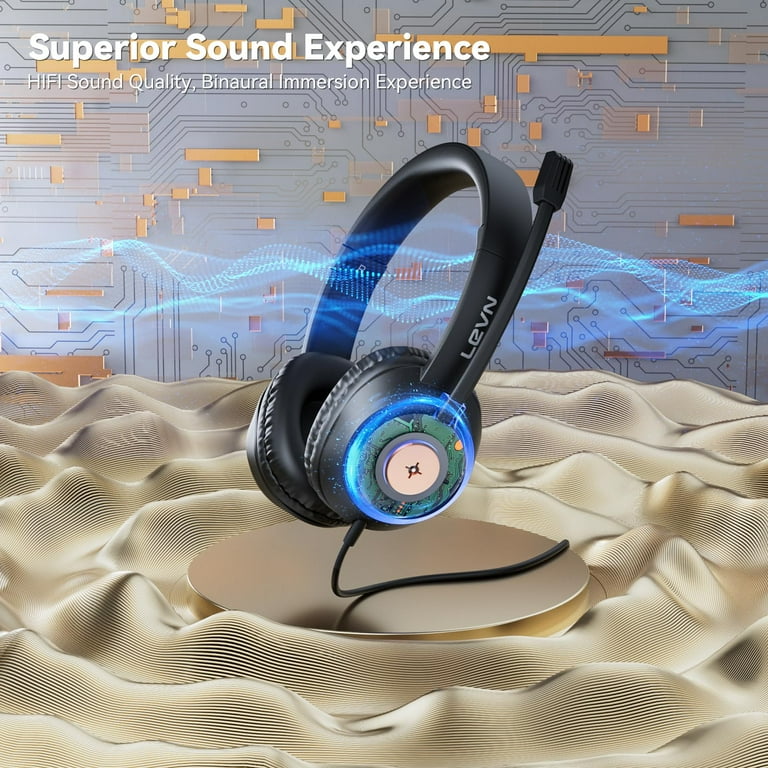
Credit: www.walmart.com
Durability and Longevity
One of the biggest selling points of wired headphones is how long they can last with proper care.
Materials That Last
Higher‑quality wired headphones often use:
- Metal (stainless steel, aluminum) in the headband or yokes – for strength and longevity
- High‑grade plastics carefully reinforced for everyday use
- Braided or reinforced cables that resist tangling, kinking, and internal breaks
- Kevlar or similar materials in cable sheathing for extra protection
Compared to many wireless models with integrated batteries and more complex electronics, wired headphones can be easier to maintain and repair.
Cable Care and Maintenance
Cables are often the first point of failure. To keep yours healthy:
- Avoid sharp bends and tight wraps
- Don’t yank the cable to unplug—grip the plug instead
- Use cable clips or simple organizers to reduce strain
- Store your headphones in a case or pouch to prevent tangles and damage
Wired headphones with detachable cables are a big plus: if the cable fails, you replace the cable, not the entire headphone.
Wired Headphones in Professional Settings
In professional audio and broadcast work, wired headphones are still the standard.
Recording Studios
Engineers and musicians rely on wired models because they offer:
- Zero latency – critical when recording vocals or instruments in sync with backing tracks
- Consistent sound quality – no wireless interference or compression
- Predictable performance – very important when making fine mixing and mastering decisions
Closed‑back studio headphones are often used for tracking (recording), while open‑back models are used for mixing and detailed listening.
If you’re choosing gear for a home or project studio, you can start with our studio headphones guide, which also explains the differences between closed‑back and open‑back designs in more detail.
Broadcasting and Live Events
In broadcasting, live sound, and event production, wired headphones provide:
- Stable connections that won’t drop mid‑broadcast
- Good isolation to help talent and engineers focus on audio feeds instead of crowd noise
- Durability to handle daily use in demanding environments
When every second counts and mistakes are costly, the reliability of a physical cable is hard to replace.
Design and Comfort Innovations
Wired headphones have evolved not just in sound, but also in comfort and style.
Ergonomics and Comfort
Modern wired headphones often include:
- Memory foam earpads that conform to the shape of your head and ears
- Flexible, padded headbands that reduce pressure points
- Pivoting or swiveling earcups for a better seal and more even weight distribution
- Detachable/replaceable pads and cables to maintain comfort and longevity over time
Good ergonomics mean you can wear them for long sessions—whether that’s work, gaming, or late‑night listening.
Evolving Aesthetics
Over the decades, wired headphone design trends have shifted:
- 1970s: Large, bold designs with big earcups
- 1980s–1990s: Sleeker, more portable styles
- 2000s: Minimalist looks, muted colors, “street” vibes
- 2010s–2020s: Mix of retro and modern, with some eco‑conscious materials and customizable finishes
Today, you can choose from understated studio‑style designs, flashy lifestyle models, or vintage‑inspired classics.
Impedance and Sensitivity: Why They Matter
Two key specs affect how a pair of wired headphones will behave with your devices: impedance and sensitivity.
Impedance
Impedance (measured in ohms, Ω) is the headphone’s resistance to the amplifier’s signal.
- Low impedance (< 32 Ω)
- Easy to drive from phones, laptops, and portable players
- Great for on‑the‑go listening
- Medium impedance (32–100 Ω)
- More flexibility; works with portable devices, but may benefit from stronger outputs
- High impedance (> 100 Ω)
- Often used in studio and audiophile headphones
- Typically need a dedicated amp or a strong source for the best results
| Impedance Level | Typical Use Case | Source Requirement |
|---|---|---|
| < 32 Ω | Phones, tablets, laptops | Low power output needed |
| 32–100 Ω | Home + mobile, some studio use | Medium power output |
| > 100 Ω | Pro studio, audiophile setups | Dedicated amp recommended |
Choosing the wrong combination can lead to weak volume or underpowered sound.
Sensitivity
Sensitivity (measured in dB/mW) tells you how loud the headphones will play at a given power.
- High sensitivity (e.g., 95 dB or higher)
- Gets loud easily from low‑power devices
- Good for phones and portable players
- Lower sensitivity
- May require more power (an amp) to reach the same volume
Ideally, you want a pair of wired headphones whose impedance and sensitivity match your main audio source.
Noise Isolation and Noise Reduction
Wired headphones can handle noise in two main ways: passive isolation and active noise cancellation (ANC).
Passive Noise Isolation
Closed‑back wired headphones with good padding provide:
- A physical barrier against outside noise
- Better isolation in loud environments (offices, transportation, busy homes)
Key factors:
- Thick, well‑sealed pads to block high‑frequency noise
- Solid earcup materials to reduce low‑frequency intrusion
- A secure but comfortable fit to keep the seal intact
Active Noise Cancellation (ANC)
Some wired headphones include ANC electronics:
- Microphones pick up external noise
- The system generates “anti‑noise” to cancel it out
- Particularly effective for constant hums like engines and air conditioning
Compared to wireless ANC models, wired ANC headphones can:
- Rely on a stable power source from batteries or USB
- Avoid extra Bluetooth processing in the signal path
However, ANC always adds complexity and cost; for many users, good passive isolation is enough.
Mixing, Mastering, and Critical Listening
If you work with audio or just care about accuracy, wired headphones are your friend.
Critical Listening
Wired headphones are ideal for:
- Spotting subtle details and flaws in recordings
- Evaluating mixes in different genres
- Hearing reverb tails, panning decisions, and micro‑dynamics clearly
The direct connection and zero latency mean nothing gets in the way.
Flat Frequency Response for Accuracy
For mixing and mastering, a flat or neutral tuning is essential:
- No exaggerated bass or treble that could mislead your decisions
- A realistic representation of how music will translate to other systems
Many wired studio headphones are tuned to be as neutral as possible, making them valuable tools in production and post‑production.
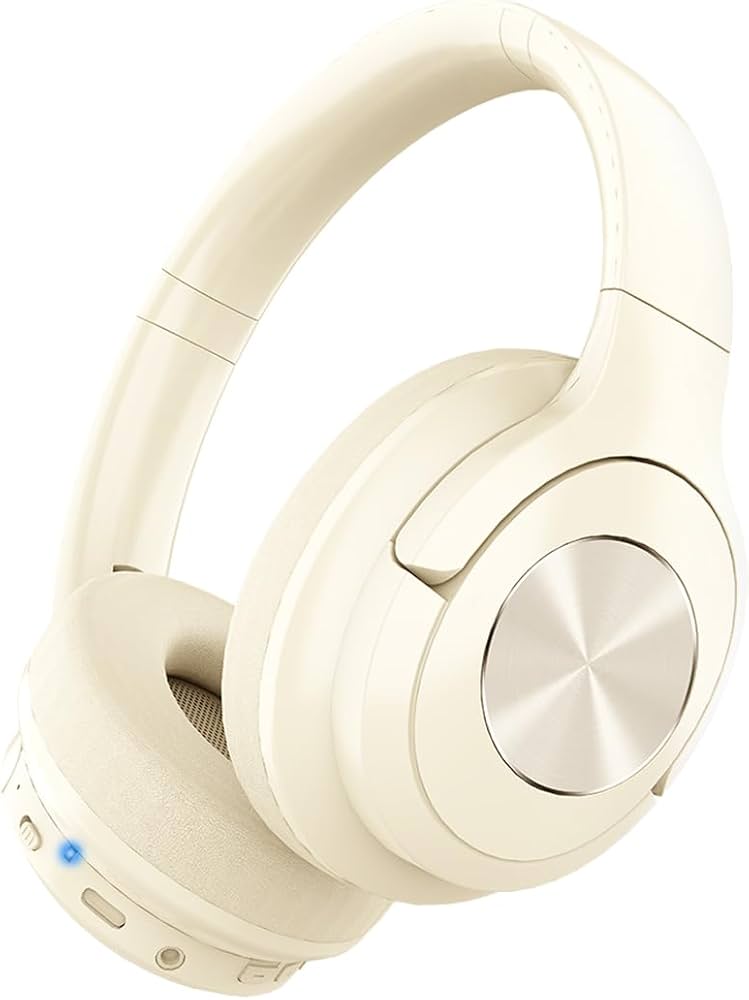
Credit: www.amazon.com
Financial Benefits of Going Wired
Wired headphones are often the better deal for your money.
Lower Upfront Cost
- Wireless models with ANC and smart features often start around $200+
- Quality wired headphones can be found at much lower prices, sometimes under $50 for decent everyday use and under $150 for solid studio‑style models
You’re paying for sound and build more than chips and batteries.
Fewer Long‑Term Costs
Wired headphones:
- Don’t need battery replacements or charging cables
- Have fewer complex parts to fail
- Can often be repaired with new pads or cables
Cost Comparison: Wired vs Wireless
| Aspect | Typical Wireless Headphones | Typical Wired Headphones |
|---|---|---|
| Initial Price | Often $150–$300+ for good models | Good options often start under $50–$150 |
| Battery Replacement | Needed after a few years (if possible) | Not required |
| Repairs | More complex, often not user‑serviceable | Pads/cables often user‑replaceable |
| Long‑Term Value | Limited by battery aging and electronics | Can last many years with basic care |
Over time, that can mean better value and less hassle compared to complex wireless devices.
Latency: Tethered vs Untethered
When timing matters, wired wins.
- Wired headphones: Practically zero latency; perfect for gaming, playing instruments, or syncing audio with video.
- Wireless headphones: Can have noticeable delay, especially in gaming or music production, depending on the codec and device.
If you’ve ever noticed a character’s lips not matching their dialogue or gunshots sounding slightly late, that’s latency. Wired eliminates that at the audio link level.
Wired vs Wireless Headphones: Quick Comparison
If you’re still trying to decide between wired and wireless headphones, this quick comparison table summarizes the main differences:
| Feature | Wired Headphones | Wireless Headphones |
|---|---|---|
| Connection | Physical cable, plug‑and‑play | Bluetooth / RF, requires pairing |
| Sound Quality | Often cleaner, no Bluetooth compression | Very good on premium models, but usually compressed |
| Latency (Delay) | Practically zero | Can be noticeable in gaming / video on some setups |
| Power/Battery | No charging needed | Can be noticeable in gaming/video on some setups |
| Reliability | Very stable once plugged in | Can suffer from dropouts/interference |
| Compatibility | Works with any device with a jack (or dongle) | Needs Bluetooth support or a wireless dongle |
| Price for Same Quality | Generally cheaper for similar sound quality | More expensive due to extra electronics and batteries |
| Longevity | Fewer failure points; easier to repair (pads/cable) | Batteries age; more complex hardware can fail sooner |
Versatility of Wired Headphones
Wired headphones adapt well to many scenarios:
- Personal listening – Music, podcasts, movies, and audiobooks with consistent sound
- DJing – Reliable, lag‑free cueing in loud clubs and event spaces
- Live sound – Monitoring for engineers and musicians on stage
- Office and remote work – Clear audio from computers and phones for calls and meetings
Because they don’t rely on Bluetooth, they often work with older gear, studio hardware, and specialized equipment that wireless models simply can’t connect to.
Evolution and Future of the Headphone Jack
The 3.5 mm jack has been a standard for decades, but the landscape is changing.
The 3.5 mm Standard and Its Roots
- Late 1800s: Large 6.35 mm (1/4″) jacks used in telephone switchboards
- Mid 1900s: Smaller 2.5 mm and 3.5 mm jacks appear for portable electronics
- 1960s onward: 3.5 mm jack becomes the go‑to connector for portable radios, Walkman players, and later MP3 players and phones
It became a universal symbol: “plug headphones in here.”
The Future: USB‑C, Lightning, and Wireless
Now, we see:
- Many smartphones are dropping the 3.5 mm jack entirely
- USB‑C is becoming standard on many modern devices
- Lightning is still used on older iPhones
- Wireless Bluetooth headphones are growing in popularity
Wired headphones are adapting with:
- USB‑C and Lightning versions
- Detachable cables that can swap between analog and digital (dongle) connections
Even as ports change, the idea of a simple, wired audio link remains relevant.
Cable Types and Audio Fidelity
The cable that connects your headphones matters more than most people think.
Braided vs Rubber Cables
- Braided cables
- More resistant to tangling
- More durable against daily wear
- Often look and feel more premium
- Rubber/plastic cables
- Lighter and usually cheaper
- Can be more prone to tangles and kinks
- Fine for budget and casual use if treated gently
Shielding and Interference
Good cable shielding helps prevent:
- Hum and buzz from power supplies or nearby electronics
- Radio frequency interference (RFI) and electromagnetic interference (EMI)
Common shielding types:
| Shielding Type | Description | Effectiveness |
|---|---|---|
| Braided shield | Woven copper wires | Good flexibility + protection |
| Foil shield | Thin aluminum foil | Excellent coverage, less flexible |
| Multi‑shield | Combination of braid + foil | Best overall noise rejection |
If you hear static, buzzing, or interference, better‑shielded cables (or better routing away from noisy gear) can help.
Customization and Modding
Wired headphones are often more mod‑friendly than wireless ones.
Aftermarket Pads and Cables
Swapping ear pads can:
- Improve comfort (different materials and thicknesses)
- Change isolation and even subtly adjust sound (more bass, more air, etc.)
Upgrading cables can:
- Increase durability
- Give you different lengths or connectors for various setups
- In some cases, reduce noise and microphonics (cable noise)
DIY Sound Tweaks
Serious enthusiasts sometimes:
- Add acoustic damping inside earcups to reduce resonance
- Adjust internal foam or filters to slightly retune the sound
- Replace drivers in vintage or modular designs
These mods are more advanced and not necessary for most users, but they showcase how flexible wired designs can be.
Wired Headphones and Sustainability
Wired headphones can be a more sustainable choice than many wireless models.
- No built‑in batteries to replace or dispose of
- Simpler construction that’s easier to repair (pads, cables, headbands)
- Longer potential lifespan means fewer products thrown away
If you value durability and repairability, a solid pair of wired headphones with replaceable parts fits a more eco‑friendly mindset than disposable wireless gadgets.
Often‑Asked Questions About Wired Headphones (FAQ)
1. Are wired headphones better than wireless?
It depends on what you care about most.
Wired headphones are usually better for:
- Reliable, consistent sound
- Zero latency
- Lower cost for a given sound quality level
- Studio work, gaming, and critical listening
Wireless headphones are better for:
- Convenience and freedom from cables
- Use with modern phones that lack headphone jacks
- Travel and everyday portability
Many people use both: wired at home/office, wireless on the go.
2. Do wired headphones have better sound quality?
All else equal, yes, they often do:
- No Bluetooth codec in the chain, so fewer stages of compression
- Direct analog signal from a good DAC/amp to the drivers
That said, a high‑end wireless headphone can sound better than a very cheap wired one. Overall quality of the design matters more than cables alone.
3. How long do wired headphones typically last?
With normal use and basic care, quality wired headphones can last several years—often 3–5+ years or longer. Replacing ear pads and cables when they wear out can extend life even further.
4. Can wired headphones damage my hearing?
Yes, any headphones can—if you listen too loud for too long.
To protect your hearing:
- Keep volume at a moderate level
- Follow the 60/60 rule where possible (no more than 60% volume for 60 minutes at a time)
- Take regular breaks, especially in noisy environments
Long‑term exposure to loud sound can cause permanent hearing damage, so consistent moderate listening habits matter. For more detailed guidance on safe listening and noise‑induced hearing loss, you can refer to resources from the CDC and the National Institute on Deafness and Other Communication Disorders (NIDCD).
The risk comes from volume, not from the cable.
5. What affects the sound quality of wired headphones?
Key factors include:
- Driver type and tuning
- Build quality and acoustic design of the earcups
- Cable quality and shielding
- The source device: DAC/amp quality, impedance match, and audio files/streaming quality
A great pair of headphones can still sound mediocre if fed low‑quality audio or driven by a very weak, noisy source.
6. Do I need an amplifier for wired headphones?
Not always.
- Low‑impedance, high‑sensitivity headphones are usually fine for phones and laptops
- High‑impedance or low‑sensitivity models often benefit from a dedicated headphone amp or audio interface
If your headphones don’t get loud enough, or the sound feels thin or strained at higher volumes, an amp might help.
7. How do I clean wired headphones safely?
- Power down and unplug them
- Use a slightly damp microfiber cloth for the headband and earcups
- Use dry cotton swabs or a soft brush for small crevices and the plug area
- Let everything dry completely before using
Avoid harsh chemicals and don’t immerse any part in water.
8. Are wired headphones more durable than wireless?
Often, yes, simply because:
- Fewer electronic components
- No internal battery to age out
- Easier to repair with new pads and cables
But build quality still varies by brand and model, so choose reputable options and treat them with care.
Conclusion: Should You Still Buy Wired Headphones?
Wired headphones might feel old‑school in a Bluetooth‑obsessed world, but they remain:
- Reliable – always ready, no battery anxiety
- High‑performing – direct, uncompromised signal path
- Cost‑effective – more sound and build quality for your money
- Versatile – from studios and DJ booths to home offices and gaming setups
They’re a smart choice if you:
- Care about sound quality and accuracy
- Work with audio or video professionally
- Game competitively and need zero latency
- Prefer tech that’s simple, repairable, and long‑lasting
If you tell me your budget, your main use case (music, gaming, studio, commuting, office), and what devices you’ll be plugging into, I can help you narrow down a few specific wired headphone models that make the most sense for you.

A passionate tech blogger and the founder of Best Tech View, a dynamic platform dedicated to all things technology. With a keen interest in the tech, Ahmad strives to provide insightful and engaging content on the latest tech trends, and breakthroughs.