

Headphone care tips matter more than most people think. A good pair is not just another gadget; it is something you use every day for music, calls, work, and travel. If you ignore basic care, pads start peeling, cables crackle, and one side suddenly goes silent.
With a few simple habits, you can:
- Keep your headphones clean and comfortable
- Avoid cable and connector failures
- Protect drivers from sweat, dust, and heat
- Extend the life of your gear instead of replacing it every year
These headphone care tips apply whether you use everyday wireless headphones at home or more serious studio headphones in your music setup.
In the rest of this guide, you will find practical headphone care tips for cleaning, storage, cables, moisture, and long‑term maintenance, so your favorite pair stays looking and sounding new as long as possible.
Know The Main Parts You Are Protecting
Before you can apply any headphone care tips, it helps to know the main parts you are looking after.
Ear Cups And Pads
- Sit on or around your ears
- Provide comfort and isolation
- Are usually the first parts to wear out
Cracked or flattened pads:
- Feel uncomfortable
- Leak sound
- Change how the headphones sound
Drivers
Drivers are the tiny speakers inside the cups or shells. They turn electrical signals into sound.
You protect them by:
- Keeping dust and moisture away
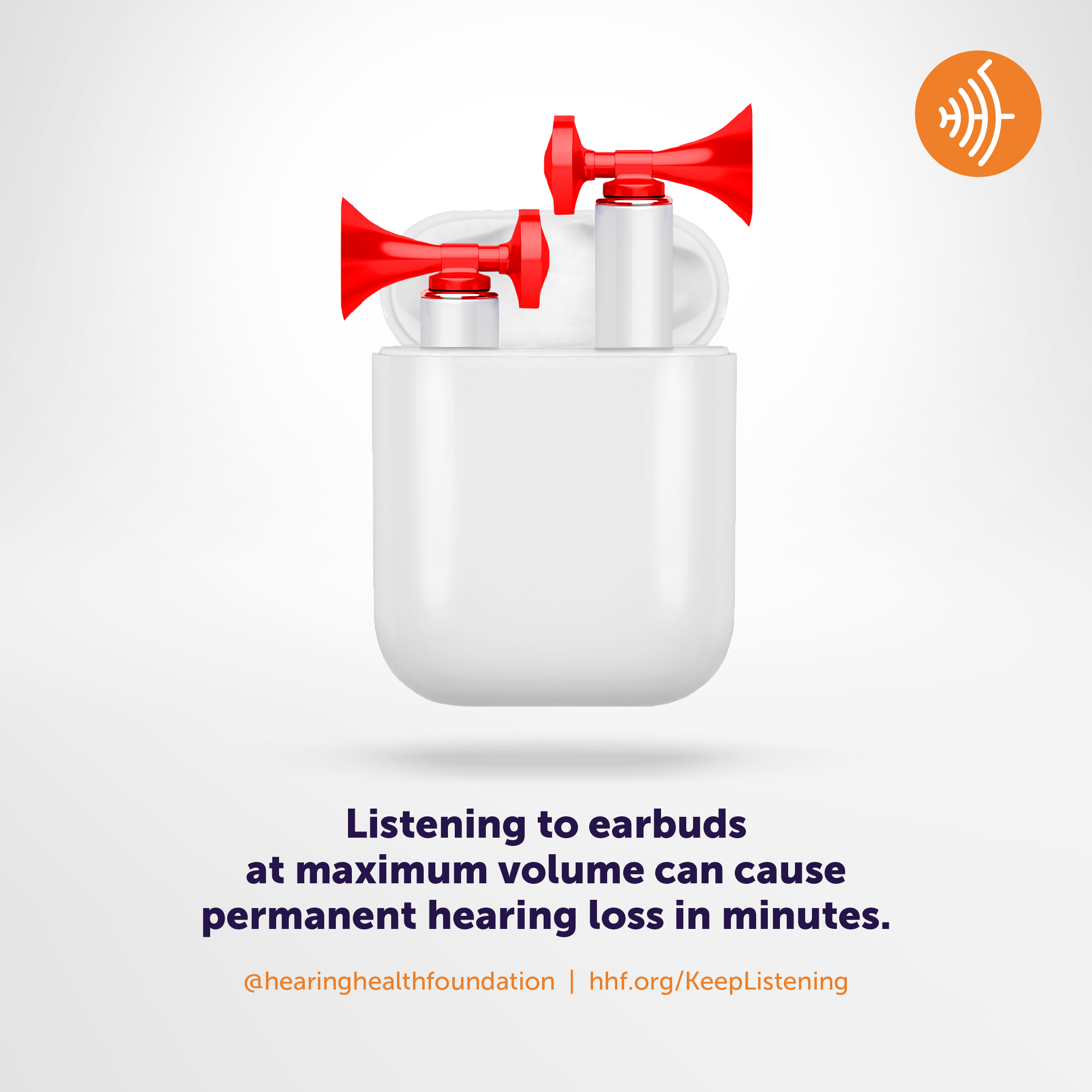
- Not blasting them at maximum volume all the time
Cables And Connectors
Cables and plugs:
- Carry the signal from your device to the headphones
- Bend and flex every time you move or unplug
Cheap or abused cables:
- Crackle when you move them
- Cut out or lose one channel
- Can short out and damage gear in worst cases
Daily Cleaning And Hygiene
A little cleaning goes a long way.
Over‑Ear And On‑Ear Headphones
- After long use, wipe pads and headband with a soft, slightly damp cloth
- Let them air dry before putting them in a case
- If you sweat a lot, wipe them more often
For deeper cleaning:
- Remove pads if they are detachable
- Use a soft brush or dry cotton swab around the seams and grills
- Avoid alcohol and harsh cleaners on leather or faux leather
In‑Ear Headphones And Earbuds
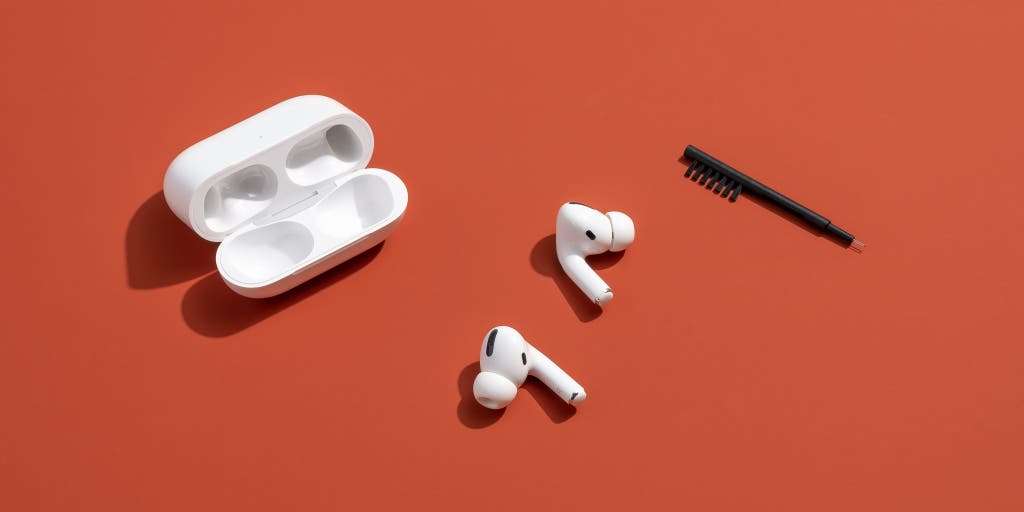
- Remove tips and wash silicone tips with mild soap and water, then dry completely
- Use a dry brush or foam tip cleaner to remove wax from the nozzles
- Never push tools deep into the sound ports
Clean earbuds are not only nicer. They also seal better and sound better.
If you want to go deeper into specific tools and sprays, our headphone cleaning tools guide covers cloths, brushes, and solutions that are safe for audio gear. For a full routine that combines cleaning, pad replacement, and basic checks, see our main headphone maintenance guide.
For manufacturer‑level guidance on cleaning, Sennheiser’s official headphone care page explains how to care for pads, headbands, and drivers.
How To Store Your Headphones Properly
Throwing headphones loose into a bag is the fastest way to kill them.
At Home
- Use a stand or hook so the headband does not stay bent in strange ways
- Or keep them in a case on a shelf or in a drawer
- Avoid leaving them on your desk under direct sunlight or next to heaters
On The Move
- Use a hard or semi‑hard case for over‑ear models
- Use a small pouch or case for earbuds
- Do not cram them under heavy items in a backpack
A case protects from:
- Drops
- Crushed headbands
- Scratches on cups and tips
For more storage ideas, including drawer trays and wall hooks, see our headphone storage solutions guide. You can also explore different headphone stands and other headphone accessories if you want a cleaner desk and a safer place to keep your gear.
Protecting From Moisture And Sweat
Water and electronics do not mix well.
- Wipe sweat off pads and shells after workouts
- Do not leave wet headphones sealed in a case
- Let them dry in a cool, ventilated place
If they get wet:
- Turn them off and disconnect cables
- Blot gently with a soft cloth
- Air dry fully before using again
- Do not use hair dryers or heaters, which can warp plastic and damage glue
If a pair is not rated as water‑resistant or sweat‑resistant, be even more careful at the gym and outside.
Avoiding Heat And Extreme Temperatures
Plastic, foam, and glue do not like heat or rapid changes.
- Do not leave headphones in a hot car
- Do not store them on sunny windowsills
- Avoid using them right next to heaters
Very cold environments can also:
- Stiffen plastic
- Make cables more brittle
If you move between very hot and very cold places, give your headphones a few minutes to adjust before using them. That helps prevent condensation inside.
Looking After Cables And Connections
Most headphone failures start with the cable.
Simple Habits
- Unplug by holding the connector, not yanking the cord
- Do not wrap cables very tightly around devices
- Avoid sharp bends near the plug or earpiece
Coiling And Storage
- Use loose loops, not tight knots
- Use cable ties, velcro straps, or organizers if you carry them often
- For detachable cables, unplug them before storing in a case
If you see:
- Exposed wire
- Stiff or cracked areas
- Plugs that wobble
Replace the cable. It is cheaper than a new headphone and safer for your gear.
If a cable is already damaged, do not keep using it. Our headphone repair kits guide and headphone repairs guide walk through simple fixes and when to let a professional handle it. If you need longer runs or more connection options, check our guides to the best headphone extension cables, headphone adapters, and headphone splitters.
When And How To Replace Ear Pads
Ear pads are consumable. They compress and flake with time.
Replace them when:
- They look cracked or peeling
- Foam inside feels flat
- Isolation and comfort drop
Tips:
- Buy pads made for your model, or quality third‑party ones with good reviews
- Match materials (leather, velour, hybrid) to your comfort and sound needs
- Follow the manufacturer’s instructions when removing and installing pads
New pads can make old headphones feel and sound almost new again.
Small Maintenance Tasks That Help
Every few months:
- Check for loose screws on hinges or yokes and gently tighten them
- Make sure sliders and swivels move smoothly
- If they squeak, a tiny amount of appropriate lubricant on metal pivots can help
- Never spray oil directly on drivers or inside cups
Do not over‑tighten or over‑lubricate. The goal is smooth, not stiff or greasy.
Comfort And Fit: Care For Your Head And Ears Too
Headphone care is not only about the hardware. It is also about avoiding strain.
- Adjust the headband so the weight spreads across your head
- Make sure ear cups sit fully around or on your ears, not half on
- If you wear glasses, pad softness and clamp force matter more
Take breaks:
- Every 45–60 minutes if you can
- Drop the volume during long listening sessions
Your ears and neck will thank you later.
Teaching Kids Basic Headphone Care
If kids use headphones:
- Show them how to put them on and take them off without stretching the band
- Teach them not to swing them by the cable
- Make cleaning and storage a simple routine, not a chore
Simple rules like “always back in the case” and “never pull the wire” prevent most accidents.
A Quick Checklist For Keeping Headphones New
You can summarize the whole routine like this:
- Wipe pads and shells after long use
- Store in a stand, pouch, or case, never loose in a bag
- Keep away from water, sweat build‑up, and extreme heat
- Coil cables loosely and unplug by the plug
- Replace worn pads and damaged cables
- Check screws and moving parts once in a while
- Take listening breaks and watch your volume
Do these and your headphones will stay comfortable, clean, and sounding good for much longer.
Frequently Asked Questions (FAQs)
How often should I clean my headphones?
A light wipe after long sessions is ideal. Do a deeper clean once a month or when they start to look or smell dirty.
Can I use alcohol-based cleaning products on my headphones?
Avoid alcohol on leather, faux leather, and rubber. Use a slightly damp cloth and mild soap if needed. For metal or hard plastic, a little alcohol on a cloth is usually fine, but never soak anything.
What should I do if my headphones get wet?
Turn them off, unplug them, and dry them gently with a cloth. Let them air dry completely before plugging them back in or turning them on.
Why do my ear pads peel and flake?
Sweat, skin oils, and age break down pad materials over time. This is normal. Replace pads when they peel or flatten.
How can I stop cables from tangling?
Use loose coils and simple organizers such as velcro straps or cable clips. If tangles drive you crazy, consider going wireless for day‑to‑day use.
Conclusion
Taking care of your headphones is not complicated, but it does require a little consistency. A quick wipe after long sessions, proper storage in a stand or case, and gentle handling of cables already prevent most problems. Replacing worn ear pads and damaged cables when you first notice issues keeps sound quality and comfort where they should be.
If you build these habits into your routine, a good pair of headphones can last for years instead of months. You save money, avoid frustration, and actually enjoy your music and calls more. Treat your headphones like real gear, not disposable gadgets, and they will keep looking and sounding new a lot longer.

A passionate tech blogger and the founder of Best Tech View, a dynamic platform dedicated to all things technology. With a keen interest in the tech, Ahmad strives to provide insightful and engaging content on the latest tech trends, and breakthroughs.