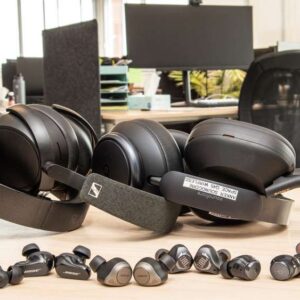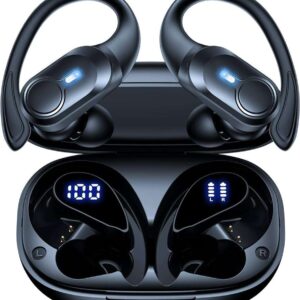

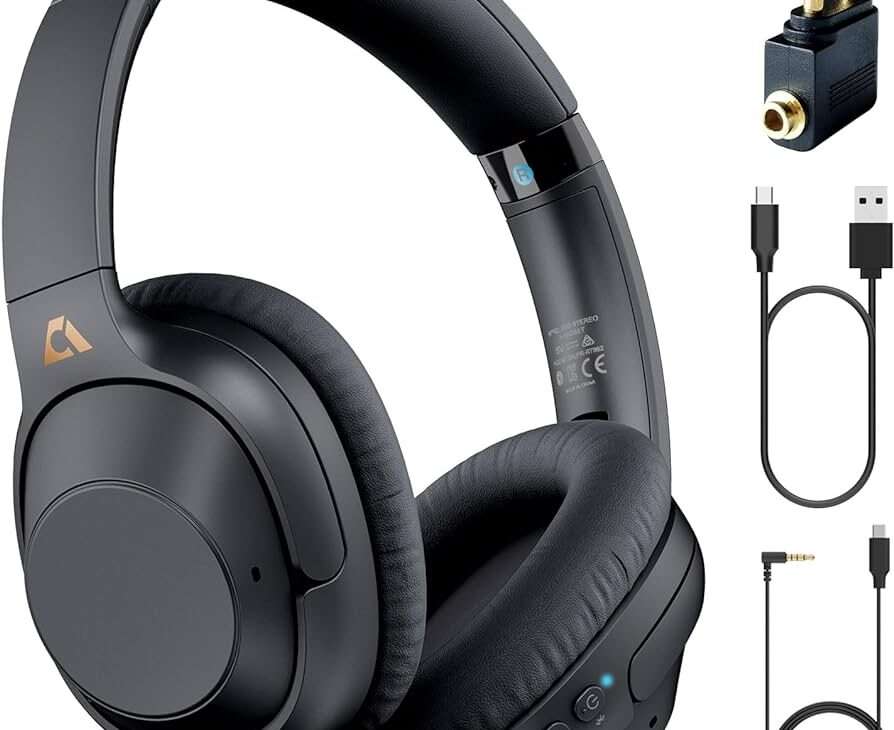
Wireless headphones for travel solve a lot of small but annoying problems. They cut engine noise, remove tangled cables, and make flights and train rides much more comfortable.
A good pair of wireless headphones changes that. You get:
- Quiet when the cabin is noisy
- Comfortable sound for long flights and train rides
- Freedom to move without cables catching on armrests or bags
This guide walks through:
- Why wireless headphones are so useful when you travel
- The key features you should care about
- The best models in 2026 at different budgets
- Over ear vs in ear for travel
- How to connect to in‑flight entertainment
- How to protect your headphones on the road
If you want a broader look at wireless models beyond travel, start with our main wireless headphones guide, and for wired and other options, see our full travel headphones guide.
If you travel more than once or twice a year, picking the right pair is worth it.
Why Wireless Headphones Matter For Travelers
Less Hassle On The Move
Travel means:
- Security lines
- Tight connections
- Crowded gates and stations
Wired headphones give you one more thing to snag or untangle. Wireless headphones remove:
- Knots in your bag
- Cables caught on armrest levers
- Accidental yanks that pull your phone to the floor
Most modern models pair quickly with phones, tablets, and laptops. Once they are set up, they usually reconnect automatically.
Peace In Noisy Environments
Cabins, trains, and buses are loud. Engine noise, chatter, and announcements pile up.
Wireless travel headphones often include active noise canceling. That means:
- Less low frequency hum from engines
- Easier listening at lower volumes
- Less fatigue after long legs
You can watch a movie, listen to a podcast, or sleep with less effort on your ears and brain.
Key Features To Look For In Wireless Headphones
Not all wireless headphones are equal. Here is what actually matters when you travel.
Battery Life
You do not want your headphones dying halfway over the ocean.
Aim for:
- At least 20 hours of playback with noise canceling on
- Fast charging for last minute top ups
Many modern over ear models offer between 20 and 40 hours. Some stretch further if you turn ANC off.
Noise Cancellation
Active noise cancellation (ANC) is a must for most travelers.
Look for:
- Strong engine noise reduction
- Adjustable or adaptive ANC levels
- A transparency or ambient mode so you can hear announcements when needed
If you fly a lot, this feature alone can justify a more expensive pair. Listening at lower volumes is not only more relaxing, but it is also safer for your ears on long trips. For medical guidance on noise and hearing protection, you can read the noise safety resources from the NIDCD.
Comfort And Fit
You may wear these for several hours at a time. Comfort becomes non‑negotiable.
For over ear headphones:
- Soft, deep ear pads
- Adjustable headband
- Moderate clamp pressure so they stay put without pinching
For in ear headphones:
- Multiple ear tip sizes
- Secure fit that does not hurt after an hour
- Low pressure is felt in the canals
A comfortable pair is the one you forget you are wearing.
Portability
Travel gear has to pack down.
Nice to have:
- Folding or flat‑fold designs
- A hard or semi‑hard travel case
- Weight that does not make your neck sore
Over ears take more space than earbuds. Think about your carry‑on and how you pack.
Connectivity And Codec Support
Most travelers connect to:
- Phones for music and calls
- Tablets or laptops for movies and work
Modern Bluetooth versions (5 and above) give:
- Better stability
- Lower power use
Codec support like AAC, SBC, and sometimes LDAC or aptX can help with quality, especially on Android. Do not obsess over this, but it is a bonus.
Quick Feature Summary
| Feature | What to look for on a travel pair |
|---|---|
| Battery life | 20+ hours with ANC on, fast charge support |
| Noise canceling | Strong ANC with ambient/transparency mode |
| Comfort | Soft pads, moderate clamp, low weight |
| Portability | Foldable or flat, comes with a travel case |
| Connectivity | Bluetooth 5+, easy pairing, stable connection |
:max_bytes(150000):strip_icc()/TSV-GROUP-SHOT-Noise-Canceling-Headphones-JHETT-0909-2c16d3a9591047aebb9b5547238fb94d.jpg)
Credit: www.tripsavvy.com
Top Picks: Best Wireless Headphones For Travel
Here are strong options at different budgets and sizes.
Budget Friendly Over Ear Picks
You can get good ANC and sound without spending top dollar.
- JBL Tune 660NC
Strong active noise canceling for the price, compact on ear design, up to around 40 hours of playback with ANC off. A simple, affordable pick for casual travelers. - Anker Soundcore Life Q30 / Q35
Hybrid ANC, long battery life (up to 40–60 hours depending on mode), and a warm, easy sound. Great value and often heavily discounted. - Tribit QuietPlus 50
Lightweight, comfortable, with decent ANC and balanced sound at a low cost. Not as polished as higher end brands, but very good for tight budgets.
These are ideal if you do not want to risk losing an expensive pair or if this is your first ANC headset.
Premium Over Ear Choices For Frequent Flyers
If you fly often or want the best experience, consider these.
- Sony WH‑1000XM5
Among the strongest ANC performers. Excellent sound, very comfortable, 30 or so hours of battery life with ANC on. Great for long flights where you want to forget the cabin. - Bose QuietComfort 45 or QuietComfort Ultra Headphones
Bose is known for comfort and noise canceling. Light weight, soft pads, relaxed tuning. A favorite for people who value comfort above all else. - Sennheiser Momentum 4 Wireless
Up to 60 hours of battery life in ideal conditions, detailed sound, and a comfortable fit. A good blend of travel convenience and audio quality. - Bowers & Wilkins PX7 S2
High quality sound with a more refined character, strong ANC, and a sturdy build. Suits travelers who care about both music quality and isolation.
These models cost more, but if you spend many hours per month in planes or trains, they can be worth every dollar.
Compact And Foldable Designs
When space is tight, folding helps.
- Bose QuietComfort 45
Folds into a small case, very light, classic Bose comfort, and ANC. - Jabra Elite 85h
Folds flat, offers long battery life and good sound, with some water resistance. - Sennheiser HD 450BT
More affordable, foldable, with decent ANC, and around 30 hours of playtime.
These focus on packing down small while still offering ANC and wireless convenience.
Wireless Earbuds For Travelers
If you prefer something pocketable instead of full size headphones, these earbuds stand out.
- Apple AirPods Pro (2nd generation)
Excellent ANC in a small form, good sound, and deep integration with iPhone and other Apple devices. Great for people already in the Apple ecosystem. - Sony WF‑1000XM5
Strong ANC and sound in a small package, good fit, and a slick app with many options. One of the best all round earbud choices for travel. - Jabra Elite 7 Pro or Elite 8 Active
Comfortable fit, good call quality, decent ANC, and water resistance. Solid for people who move between travel and sports. - Samsung Galaxy Buds2 Pro
Great sound, effective ANC, and tight integration with Samsung phones.
Earbuds are easier to carry and sleep with, but over ears still generally offer better isolation and comfort on very long flights.
If you also plan to work out or run while traveling, check our sports headphones guide for more training‑focused options.
Over-ear Vs. In-ear: Which Is Better For Travel?
Both styles work. The right choice depends on how you travel and what you value.
Over Ear Pros And Cons
Pros:
- Better passive isolation
- Stronger ANC performance
- More comfortable for many people on long flights
- Bigger drivers for fuller sound
Cons:
- Bulkier in bags
- Heavier on the head
- Harder to sleep with if you lean on the side
In Ear Pros And Cons
Pros:
- Very compact and light
- Easy to carry in a pocket
- Better for sleeping against a headrest or pillow
- Less obvious on your head
Cons:
- Fit can be more finicky
- Some people find tips uncomfortable long term
- ANC and isolation may be a bit less dramatic than the best over ears
If you take many long haul flights, over ears often win. If you pack light or need something for mixed travel and daily commuting, earbuds can make more sense.
For more details on each style, you can compare designs in our over ear headphones and in ear headphones guides.
Credit: www.cnn.com
Connecting Your Wireless Headphones To In-flight Entertainment
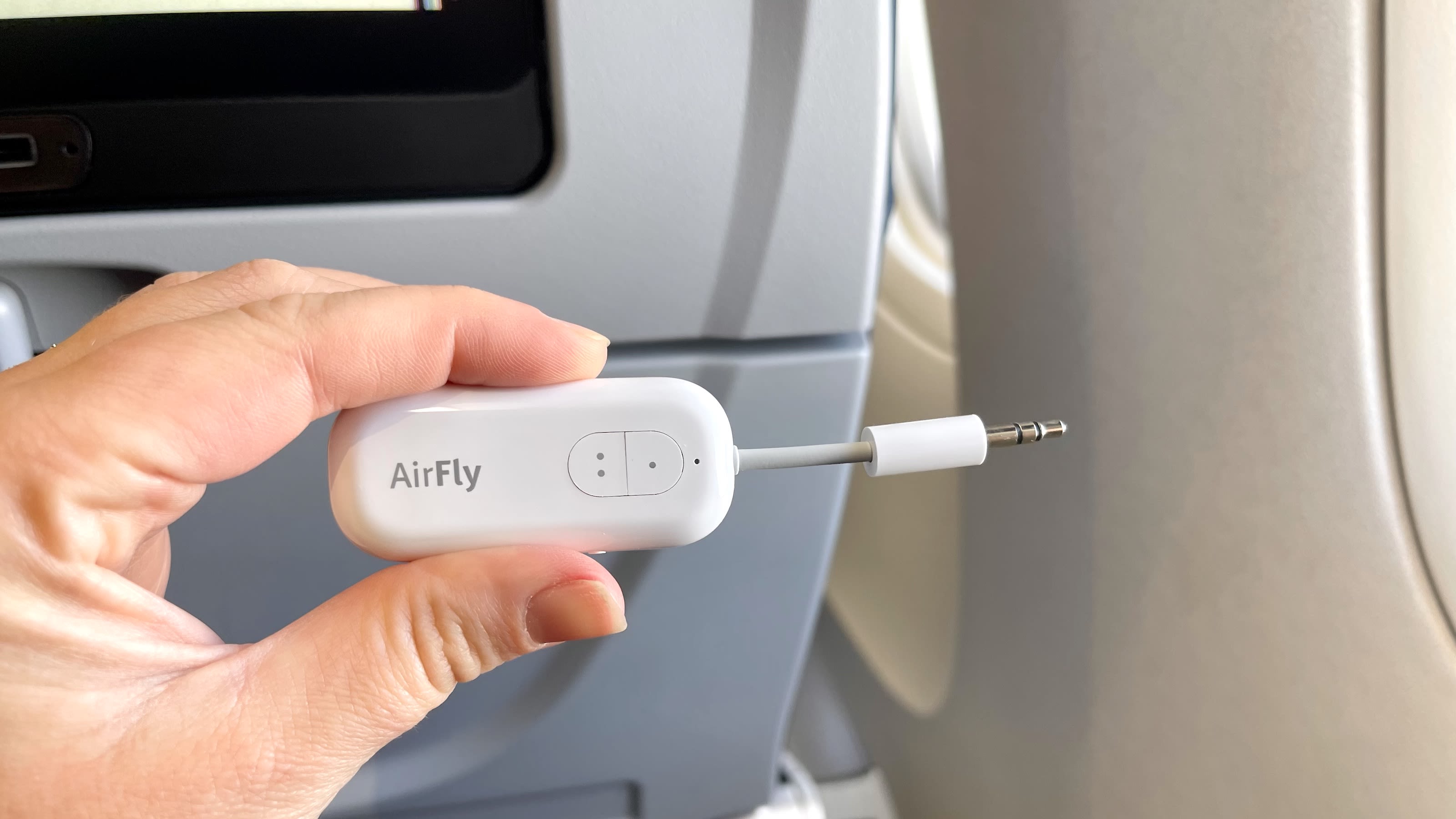
Airline systems are mostly wired. Your headphones are not. A small Bluetooth adapter solves this.
Bluetooth Flight Adapters
A flight adapter:
- Plugs into the airplane’s headphone jack
- Pairs with your wireless headphones
- Streams audio from the screen to your headset
For a deeper look at how Bluetooth audio works and what affects quality and range, see our explainer on Bluetooth technology.
Look for:
- Long battery life for long legs
- Support for dual connections if you want to share audio
- Compact size that fits in a small pouch
One example is the AirFly series from Twelve South, which is designed to connect wireless headphones to in flight entertainment systems.
- Charge the adapter before your trip
- Pair your headphones with the adapter at home once, so you know the process
Connection Steps
Onboard:
- Turn on the adapter.
- Plug it into the seat’s headphone jack.
- Put your headphones in pairing mode.
- Wait for them to connect.
If there are issues:
- Turn both devices off and on
- Keep them close together
- Make sure no other devices are trying to pair at the same time
This small piece of gear makes a big difference if you like using seat back screens.
:max_bytes(150000):strip_icc()/tl-most-comfortable-headphones-tested-tout-social-fe808b695ec240bf8f0a3848395fba30.jpg)
Credit: www.travelandleisure.com
Keeping Your Wireless Headphones Safe And Sound
These are not cheap, so treat them as real equipment.
Cases And Pouches
Use a case:
- Hard or semi hard cases protect from crush and impact
- Soft pouches protect from scratches but not drops
Many premium headphones include a case in the box. Use it. If not, buy one that fits.
Extra pockets inside cases are useful for:
- Cables
- Adapters
- Flight Bluetooth transmitters
You can find more ideas for cases, cables, and extras in our guide to headphone accessories.
Battery Care On Trips
A few simple habits keep your headphones ready:
- Fully charge before leaving home
- Carry a small power bank or use the USB ports on planes and trains
- Turn off the headset when not in use
- Use low power or auto off modes if your model supports them
Avoid leaving headphones charging in very hot environments for long periods, like a car in the sun.
The Future Of Travel Headphones
Travel headphones will keep getting:
- Lighter
- Smarter
- Better at removing noise
Likely trends:
- Stronger adaptive ANC that responds to your environment in real time
- More advanced Bluetooth versions that improve stability and range
- Better integration with voice assistants for hands free control
- Smarter sensors that pause audio when you remove headphones or start talking
For travelers, that means:
- Less fuss pairing and switching devices
- Better sound with less battery use
- More control over how much of the world you want to hear
FAQ: Wireless Headphones For Travel
Do wireless headphones work on airplanes?
Yes, in most cases. Airlines usually allow Bluetooth use during cruising. For seat back screens that only have a wired jack, you need a Bluetooth flight adapter.
How long should travel headphones last on a charge?
Aim for at least 20 hours of playback with ANC on for over ear models. Earbuds will have shorter single charge life, but the case adds extra hours. Check real world tests, not just marketing numbers.
Are noise canceling headphones worth it for travel?
If you fly or take trains often, yes. They reduce engine noise and let you listen at lower volumes, which is easier on your ears and your energy.
Should I get over ear headphones or earbuds for travel?
If you want maximum comfort and isolation on long flights, over ear is usually better. If you want something small and easy to pocket that also works well for daily commutes, earbuds may suit you more.
Conclusion
The right wireless headphones turn travel from something you endure into something you can actually enjoy.
Focus on:
- Comfort for long sessions
- Enough battery life for your longest trips
- Strong noise cancelling if you spend time in planes and trains
- A design that fits the way you pack and move
Once you match the headphone to your travel style, the miles feel shorter, the cabins feel quieter, and the whole trip feels less stressful.

A passionate tech blogger and the founder of Best Tech View, a dynamic platform dedicated to all things technology. With a keen interest in the tech, Ahmad strives to provide insightful and engaging content on the latest tech trends, and breakthroughs.