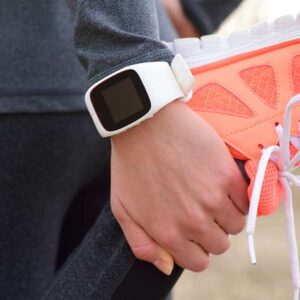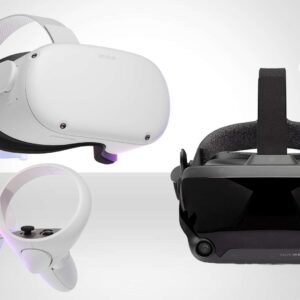

Wearable health monitors are everywhere now. On wrists. On fingers. Clipped to clothes. Even stuck to the skin as patches.
They track heart rate, steps, sleep, and much more in real time. They push that data into apps. You get charts, trends, and alerts instead of guessing how your body is doing.
Used well, these devices can help you:
- Move more
- Sleep better
- Spot patterns early
- Talk to your doctor with data, not just memory
Used badly, they can create obsession, false alarms, and privacy risks.
This guide explains what wearable health monitors actually do, where they help, where they fail, and how to choose one that fits your life instead of running it.
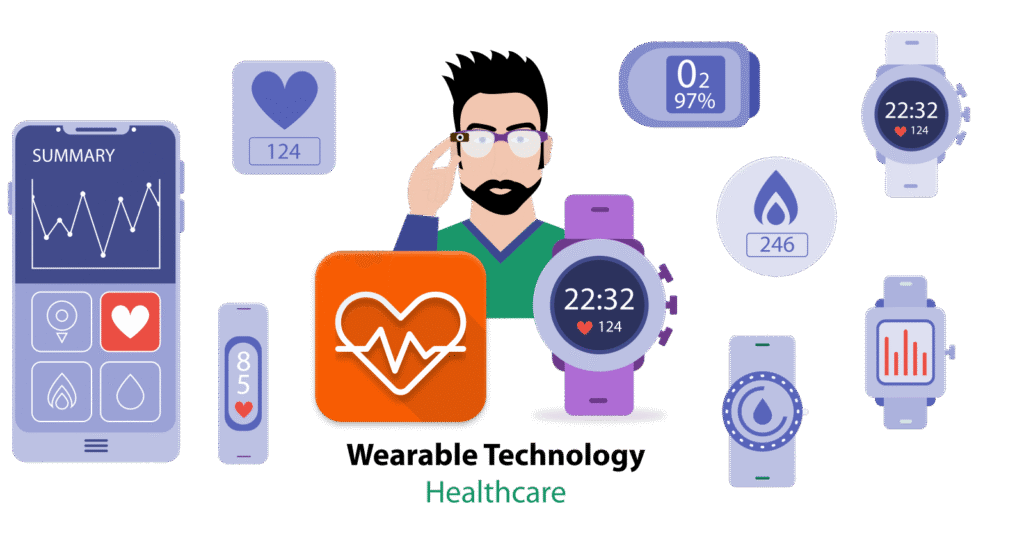
Credit: www.cleverdevsoftware.com
What Are Wearable Health Monitors
Wearable health monitors are electronic devices you wear on your body that track health related data and send it to an app or service.
They usually include:
- Sensors for motion, heart rate, and sometimes more advanced signals
- A processor to handle basic calculations
- Wireless connection to a phone or cloud service
- A battery that needs regular charging
Common form factors:
- Smartwatches and fitness bands
- Rings
- Chest straps
- Clip‑on devices
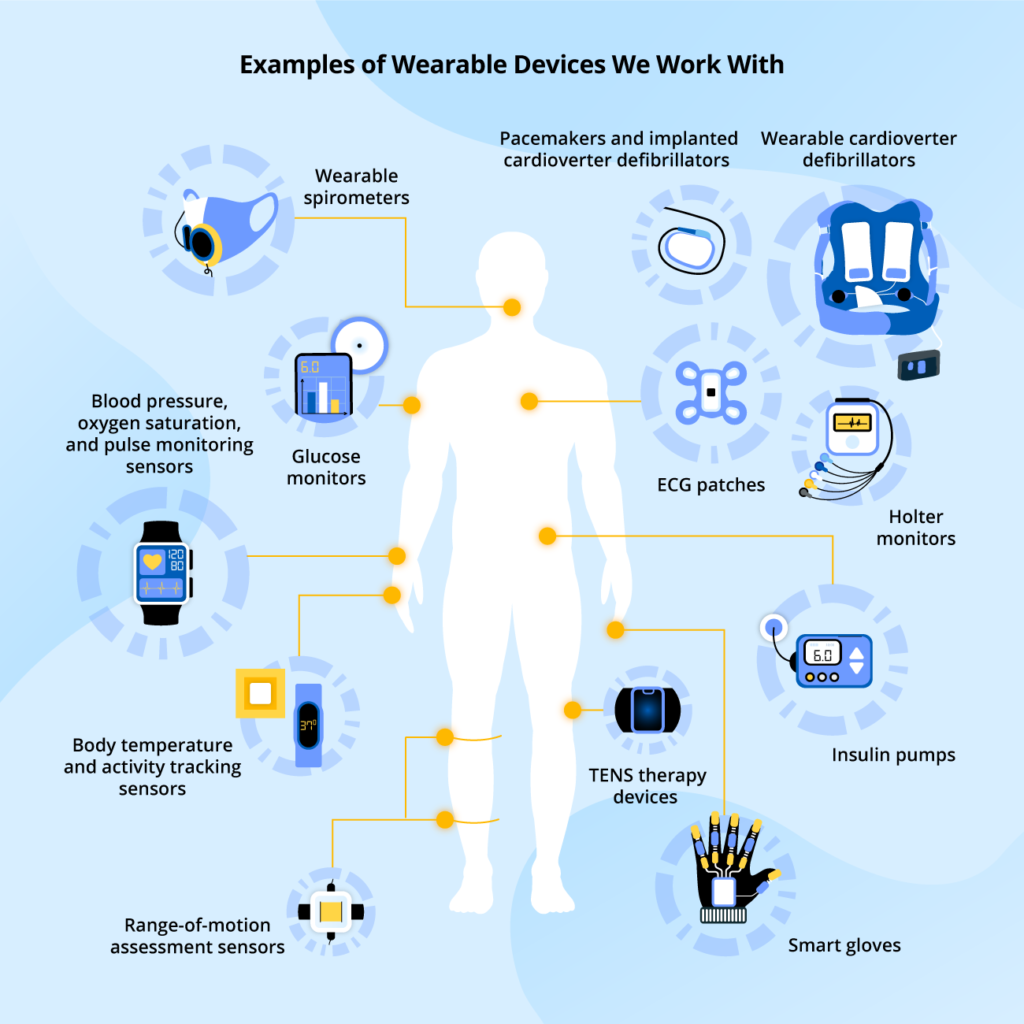
- Skin patches and clinical wearables
Most consumer models focus on fitness and lifestyle tracking. Some higher end or clinical‑grade devices are used for medical monitoring under a doctor’s guidance.
From Step Counters To Health Guardians
The first wave of wearables was simple.
- Pedometers that counted steps
- Early fitness bands that estimated calories burned
They gave a rough picture of activity. That was it.
Modern wearables go much further:
- Continuous heart rate monitoring
- Heart rate variability estimates
- Sleep staging and recovery scores
- Blood oxygen saturation (SpO2) tracking
- ECG readings on demand with some watches
- Irregular rhythm notifications
- Stress and body battery estimates
Some devices now flag potential issues like atrial fibrillation or sleep apnea patterns. They are not replacements for a hospital monitor, but they can nudge people to see a doctor sooner.
The story is simple. Fitness trackers grew into general health monitors. Now they cover fitness, sleep, stress, and limited medical risk signals in one package.
Major Players In The Wearable Health Monitor Market
Several brands dominate the consumer space. Each leans in a bit differently.
- Apple
- Apple Watch line
- Strong integration with iPhone and Apple Health
- ECG, SpO2, fall detection, crash detection, fitness and activity rings
- Fitbit
- Fitness‑first focus
- Clear step, heart rate, and sleep tracking
- Strong app with habit and goal tools
- Garmin
- Known for GPS and endurance metrics
- Strong for runners, cyclists, triathletes, and outdoor fans
- Body battery and stress tracking, long battery life on many models
- Samsung
- Galaxy Watch series
- Ties into Galaxy phones and Samsung Health
- Heart rate, ECG in some regions, sleep analysis, daily activity
- Whoop
- Subscription based strap without a screen
- Focus on strain, recovery, and sleep quality
- Aimed at athletes and performance focused users
In more medical contexts, you also see:
- Continuous glucose monitors for people with diabetes
- Ambulatory ECG recorders
- Blood pressure wearables
Those are often prescribed or used under clinical supervision.
How Wearable Health Monitors Work
At the core, these devices combine sensors and algorithms.
Sensors
Common sensors include:
- Optical heart rate sensors
- Shine light into the skin
- Measure changes in reflected light to estimate blood flow
- Accelerometers
- Measure movement and acceleration
- Used for step counts, activity levels, and rough posture
- Gyroscopes
- Track rotation
- Add detail to movement patterns
- SpO2 sensors
- Use light at different wavelengths to estimate blood oxygen saturation
- ECG electrodes (on some watches and chest straps)
- Measure the heart’s electrical signals when you perform a reading
Some advanced or clinical devices add:
- Temperature sensors
- Electrodermal activity sensors for stress responses
- Bioimpedance sensors for fluid and composition estimates
Algorithms
Raw sensor data is messy. Algorithms:
- Smooth and filter signals
- Detect patterns like beats, steps, and sleep stages
- Turn continuous streams into daily summaries, alerts, and scores
Examples:
- Heart rate outliers trigger irregular rhythm notifications
- Movement plus heart data feeds activity and calorie estimates
- Night time patterns generate sleep stages and quality scores
Accuracy depends on:
- Sensor quality
- Placement and fit on your body
- Skin tone, tattoos, and motion noise
- The quality of the algorithm itself
No wearable is perfect. Used as trends and hints, not absolute truth, they can still be very useful.
Main Types Of Wearable Health Monitors
Different devices suit different needs.
Smartwatches And Fitness Bands
These are the most visible.
They usually track:
- Heart rate all day
- Steps and basic activities
- Sleep patterns
- Sometimes SpO2, ECG, and stress
They double as mini computers on your wrist:
- Notifications
- Music control
- GPS tracking for runs and rides
- Payment and smart home control on some models
Good if you want one device that does “everything pretty well.”
Rings
Smart rings hide tracking in a smaller form.
They focus on:
- Sleep
- Recovery
- Basic activity monitoring
They usually do not show data on the device itself. You check the app instead. They are popular with people who do not like wearing a bigger watch.
If you want a device that focuses mainly on sleep and recovery, start with our guides to best sleep trackers and wearable sleep trackers.
Chest Straps
Chest straps focus on heart rate accuracy.
They:
- Sit closer to the heart
- Use electrical rather than optical measurements
- Offer more reliable readings during intense workouts
Many athletes pair a chest strap with a watch or bike computer and a set of sports headphones for focused training sessions.
Clinical‑Grade Devices
These include:
- Continuous glucose monitors
- Ambulatory ECG patches
- Wearable blood pressure monitors
They are often:
- Prescribed by a healthcare professional
- Regulated as medical devices
- Used for diagnosis or disease management, not just wellness
These sit closer to “medical equipment” than “fitness gadget.”
Credit: www.scnsoft.com
What They Actually Monitor
Most consumer wearables focus on a core set of metrics.
Heart Rate And Heart Rhythm
Uses:
- Resting heart rate trends as a window into fitness or illness
- Workout intensity tracking
- Alerts for unusual spikes or low values
Some watches and devices can:
- Run an on demand ECG
- Flag possible atrial fibrillation events
These are screening tools, not diagnoses. The right next step is talking to a medical professional.
For medical questions about heart rhythm problems or chest symptoms, rely on guidance from trusted health organizations such as the American Heart Association, and speak with a healthcare professional rather than depending only on a watch alert.
Activity And Movement
This is still the bread and butter.
- Step counts
- Active minutes or zone minutes
- Calories burned estimates
- Floors climbed
- Distance and pace with GPS
Helpful for:
- Hitting daily movement goals
- Monitoring training load
- Nudging you to break up long sitting periods
If you also care about sound during workouts, check out our guides to sports headphones and wireless headphones.
Sleep
Sleep tracking has gotten more refined.
Devices often estimate:
- Time in bed
- Time asleep
- Sleep stages: light, deep, and REM
- Interruptions and restlessness
Some provide:
- Sleep scores
- Bedtime suggestions
- Snoring or breathing irregularity alerts in more advanced setups
Again, accuracy is not lab‑level, but trends can still guide better habits.
Blood Oxygen (SpO2)
SpO2 sensors:
- Estimate oxygen saturation in your blood
- Can flag drops during sleep or at altitude
They are not replacements for a medical pulse oximeter in a hospital, but useful for:
- High altitude sports
- General wellness trends
- Early signs that something might be off
Stress And Recovery Indicators
Many brands combine heart rate, HRV, and sleep into:
- Daily readiness or recovery scores
- Stress levels
- Suggestions on training load
These are models built on limited data. They work best as gentle guides, not as strict rules.
How Wearable Health Monitors Affect Personal Health Management
When used thoughtfully, these devices can change behavior.
Real Time Feedback
Instead of guessing how much you moved, how hard your heart is working, or how long you actually slept, you now see real data.
- Hit step or activity targets
- Notice patterns like late night screen time ruining sleep
- Respond earlier when resting heart rate is strangely high for a few days
Preventive Care And Early Flags
Continuous tracking can:
- Show slow shifts in patterns over weeks
- Highlight sudden deviations
Examples:
- A sudden jump in resting heart rate with fatigue may signal illness
- Frequent irregular rhythm notifications may push someone to get checked
- Repeated poor sleep scores may prompt lifestyle changes
The device does not diagnose. It provides a nudge and a record. That helps doctors and patients talk more concretely.
Challenges And Concerns
It is not all upside. There are real issues.
Privacy And Data Security
Wearables collect sensitive data:
- Heart data
- Sleep data
- Activity patterns
- Sometimes location and contacts through the app
Risks include:
- Data breaches at vendors
- Aggressive ad or data sharing policies
- Third party apps that over collect information
Users should:
- Read basic privacy settings, not skip everything
- Avoid giving full permissions to every random app
- Use accounts with strong passwords and two factor authentication where available
Accuracy Limits
No consumer wearable is perfect.
Issues can come from:
- Poor fit
- Dark tattoos or heavy hair under sensors
- High motion activities
- Lower quality hardware
Bad readings can:
- Cause false alarms
- Miss events
- Misjudge calories or sleep stages
Treat the numbers as estimates and trends. For anything serious, clinical tools and professional advice matter more.
Dependence And Anxiety
Some people:
- Check metrics compulsively
- Let scores dictate how they feel
- Worry more about numbers than how their body actually feels
A device should support awareness, not replace common sense. If it starts to drive anxiety, it may be time to step back or change how you use it.
Future Trends In Wearable Health Technology
The direction is clear. Wearables are getting:
- Smarter
- Less invasive
- More medically integrated
AI And Smarter Insights
AI models can:
- Spot patterns across many signals
- Personalize baselines and thresholds
- Provide context based advice
Examples:
- Hinting that your current metrics historically lead to poorer sleep
- Noticing a slow drift in resting heart rate and suggesting rest
- Grouping subjective feedback with objective readings
Done well, this moves devices from simple counting to coaching.
More Non Invasive Measurements
Research is pushing toward:
- Better optical methods for blood metrics
- Continuous cuffless blood pressure
- Deeper sleep and respiration analysis
The goal is to avoid needles, cuffs, and intrusive hardware for long term tracking. Many claims are ahead of reality right now, but progress is real.
If you are interested in other immersive or wearable tech, you might also want to explore our guides to the best VR headsets and best wearable cameras.
How To Choose The Right Wearable Health Monitor
You included a good comparison table in your draft. Let’s keep it clean.
First, think through your priorities.
Clarify Your Main Goal
Ask yourself:
- Do you mainly want step counts and basic activity
- Are you focused on sleep and recovery
- Do you want ECG or more medical style features
- Are you training for races or doing serious endurance work
That shaping will cut the list quickly.
Check Compatibility
- iPhone or Android
- Which health and fitness apps you already use
- Whether you want to sync with Strava, MyFitnessPal, or similar tools
Some features are limited if you mix ecosystems.
Compare Features Across Devices
You already had a table. Here is a clearer version for 2025.
| Feature | Apple Watch Series 9 | Fitbit Charge 6 | Garmin Venu 3 | Samsung Galaxy Watch 6 | Whoop 4.0 |
|---|---|---|---|---|---|
| Heart rate | Yes | Yes | Yes | Yes | Yes |
| Step counting | Yes | Yes | Yes | Yes | No |
| Sleep analysis | Yes | Yes | Yes | Yes | Yes |
| SpO2 monitoring | Yes | Yes | Yes | Yes | Yes |
| ECG | Yes | No | Yes | Yes | No |
| Stress / recovery | Yes | Yes | Yes | Yes | Yes (focus feature) |
| Typical battery life | Around 18 hours | Around 7 days | Around 10 days | Around 40 hours | Around 4–5 days |
High level differences:
- Apple Watch
- Deep integration with iOS
- Rich features and apps
- Shorter battery life
- Fitbit Charge
- Simple band form
- Solid basic health tracking
- Long battery life for a small device
- Garmin Venu
- Strong GPS and training metrics
- Very good battery life
- Great for active and outdoor users
- Samsung Galaxy Watch
- Best match with Samsung phones
- Good all round health and smart features
- Whoop 4.0
- Subscription model
- No screen
- Focus on strain, sleep, and recovery for athletes
Other Factors
- Battery life
- If you hate charging, prioritize week long battery devices over daily chargers.
- Comfort and design
- You only get value if you wear it often.
- Think about size, weight, strap material, and style.
- Price and value
- Do not pay for ECG if you will never use it.
- Do not chase features you will ignore.
Start with what you truly care about. Then pick the device that covers those needs cleanly.
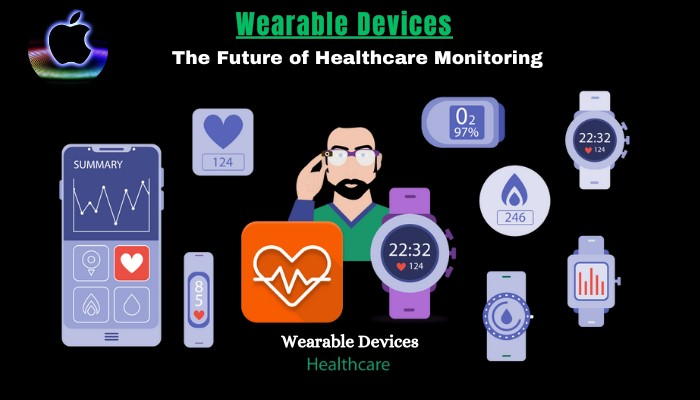
Credit: blog.stackademic.com
Integrating A Wearable Into Daily Life
Getting the device is the easy part. Using it well is the harder part.
Simple habits:
- Wear it consistently, especially during sleep if that data matters to you
- Sync with your phone or account daily or every few days
- Check trends once a day, not every five minutes
Use the numbers to:
- Notice when you are more tired than you admit
- See if your activity is actually at the level you think
- Track changes when you adjust sleep, diet, or training
Avoid:
- Letting one bad night or one high stress day define your mood
- Obsessing over tiny fluctuations that sit within normal noise
The goal is to support better decisions, not to add stress.
FAQ About Wearable Health Monitors
What are wearable health monitors?
They are devices you wear on your body that track health related metrics such as heart rate, steps, sleep, and sometimes more advanced signals like SpO2 or ECG.
How do wearable health monitors work?
They use sensors to measure movement, heart signals, and sometimes light through the skin. Algorithms then turn that raw data into numbers and graphs you see in apps.
Are wearable health monitors accurate?
They can be reasonably accurate for many everyday uses, but they are not perfect. Accuracy varies by brand, model, and how you wear them. They should not replace medical equipment when a precise reading is critical.
Can wearable health monitors detect heart problems?
Some can flag potential irregular rhythms or suggest that something might be wrong. They are tools for early flags, not diagnostic devices. Any concerning alert should be followed up with a healthcare professional.
Do wearable health monitors need charging often?
Most smartwatches need daily or almost daily charging. In contrast, many fitness bands and some performance watches can run for several days, sometimes even a full week, on a single charge. Always check real‑world battery life reports before you buy.
Conclusion
Wearable health monitors give everyday people access to data that used to live only in clinics and labs. When used with a clear head, they can help you move more, sleep better, and notice patterns earlier.
Wearable devices are not doctors, and they are not perfect. Think of them as instruments you can choose to use well or badly.
Pick one that fits your goals and your habits. Wear it consistently. Watch the trends. Talk to your doctor when something looks off.
Used that way, wearable health monitors become smart tools for better living, not just gadgets on your wrist.

A passionate tech blogger and the founder of Best Tech View, a dynamic platform dedicated to all things technology. With a keen interest in the tech, Ahmad strives to provide insightful and engaging content on the latest tech trends, and breakthroughs.