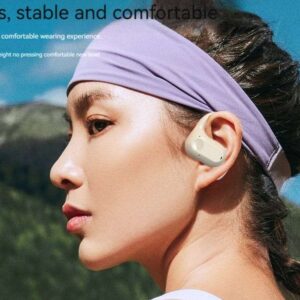

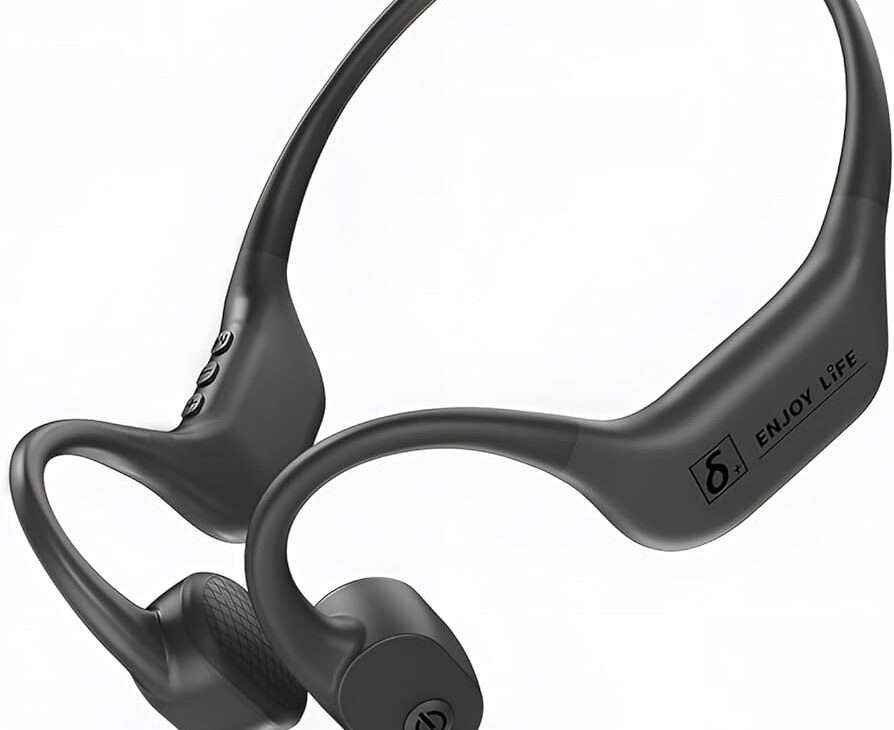
Bone conduction headphones offer a very different way to listen. Instead of sitting in or over your ears, they rest on your cheekbones and send tiny vibrations through the bones in your head.
Your inner ear receives the signal. Your ear canal stays open.
That gives you:
- Music and calls
- Awareness of traffic, people, and announcements
- Less heat and pressure in the ears
They make sense if you run outside, cycle in traffic, walk in busy cities, or have certain types of hearing loss.
This guide covers:
- How bone conduction actually works
- How they compare to traditional headphones
- Features that matter in 2026
- Recommended models for sports, commuting, and music
- How to choose the right pair and what to expect
If you want safe, open‑ear listening without giving up too much sound quality, bone conduction headphones are worth a look.
Credit: www.amazon.com
How Bone Conduction Headphones Work
Normal headphones push sound waves through the air into your ear canal. Your eardrum vibrates. The middle ear passes those vibrations to the inner ear.
Bone conduction skips the eardrum. For a more detailed visual explanation of this process, you can read the bone conduction technology overview from Shokz on their official site.
The transducers sit on your cheekbones, usually just in front of your ears. They vibrate the bone gently. Those vibrations reach the inner ear directly.
Your brain still hears it as sound, but:
- Your ear canal stays open
- You also hear ambient noise around you
This is not new science. Bone conduction has long been used in some hearing aids and military headsets. Consumer sports headphones just made it more popular.
If you want a deeper technical explanation of how this works, see our guide to bone conduction technology.
Bone Conduction vs Traditional Headphones
Here is a simple comparison.
| Aspect | Traditional in ear / over ear | Bone conduction headphones |
|---|---|---|
| How sound is delivered | Through air into ear canal | Through cheekbones to the inner ear |
| Ear canal | Blocked or covered | Open |
| Awareness of surroundings | Low to medium | High |
| Noise isolation | Good to very high | Very low |
| Comfort for long wear | Varies, can cause pressure or heat | Often lighter on the ears, pressure on temples instead |
| Best use cases | Home, office, commuting, flights | Running, cycling, outdoor training, some hearing needs |
Bottom line:
- If you want isolation on a plane, bone conduction is not ideal
- If you want to hear cars, bikes, and people while still listening, bone conduction is very useful
For a closer look at traditional designs, you can compare options in our over ear headphones and in ear headphones guides.
Why Bone Conduction Matters
Bone conduction headphones solve two main problems.
Situational Awareness
When you run, cycle, or walk near traffic, blocking both ears is risky. Open‑ear designs let you:
- Hear approaching vehicles
- Notice bikes and people behind you
- Hear announcements and alarms
You can listen to music or a podcast without cutting yourself off from the real world. If you also use more traditional gear for workouts, our sports headphones guide covers in ear and over ear options that work well for training.
Comfort And Ear Health
Some people:
- Hate the feeling of ear tips inside their canals
- Get ear infections or irritation from in ear models
- Feel pressure and heat from closed over ear designs
Bone conduction leaves the canal open. It avoids direct contact with the inside of the ear.
It does not make you immune to hearing damage from high volume, but it can reduce some of the discomfort associated with other designs.
Remember that even with open ears, listening too loud for too long can still damage hearing. For medically grounded guidance on safe listening levels and noise related hearing loss, you can read the resources from the NIDCD.
Key Advantages Of Bone Conduction Headphones
Summing up the main pros:
- Open ears and stronger awareness of surroundings
- No ear tips inside the canal
- Less ear wax buildup on the tips and in the canal
- Often more comfortable with glasses or ear piercings
- Can help some users with conductive hearing loss, depending on the condition
They are not for everyone. They have tradeoffs, too.
Limits And Tradeoffs
It is smarter to know the weak points before you buy.
- Sound quality is usually not as full or detailed as good traditional headphones
- Bass is lighter and depends a lot on fit and bone contact
- You hear more outside noise, which can fight with the music
- Strong vibration at high volumes can feel odd or distracting
Bone conduction shines for safety and comfort in specific uses. It is not going to replace a serious pair of over ear headphones for studio listening.
Features That Matter In 2026 Models
Most of the big improvements in recent years have been refinements, not magic leaps.
Here is what to look at when you compare models.
Audio Quality
Ask:
- Is spoken audio clear for podcasts and calls
- Does music sound balanced, not painfully thin or harsh
- Is there enough bass for your taste, given the open design
Bone conduction will never have the same low end as sealed headphones, but better drivers and tuning can make a big difference.
Fit And Stability
These headphones sit on your face and around your head. You need:
- A secure, stable fit that does not bounce while you run
- A band that does not press too hard on the back of your head or neck
- Good contact with your cheekbones for consistent sound
Many people forget this until they try a pair. Fit is just as important as sound.
Waterproof And Dust Resistance
If you plan to:
- Run in the rain
- Sweat heavily
- Swim with a designed‑for‑water model
check the IP rating:
- IP55 or IP57 is common for sweat and splashes
- Some swim focused models go higher and support underwater use with local storage
Do not assume every bone conduction headphone is swim safe. Always check the specs.
Battery Life
Most sports use sessions are a few hours at a time. Still, longer is more convenient.
Current ranges:
- Around 6 to 10 hours of playback on a single charge
- Quick charge that gives an hour or two from a short plug in
Make sure battery life covers your longest workout or commute with margin.
Controls And Mic
You want:
- Buttons or touch controls you can use without looking
- A microphone that stays clear in wind and city noise as much as possible
If you take calls while moving, mic quality matters more than you think.

Credit: www.hollywoodreporter.com
Best Bone Conduction Headphones: Common Standouts
Model names and details shift every year, but some product families keep coming up in reviews. As of the mid 2020s, these lines are often mentioned as safe picks.
Use this as a starting point, then confirm current versions and prices.
Best All Round Pick For Most People
- Shokz (formerly AfterShokz) OpenRun or OpenRun Pro family
- Light and secure fit
- Clear enough sound for music and speech
- Good battery life for daily training
- Strong brand focus on bone conduction
Best For Runners And Cyclists
Look for:
- Stable around the back of the head
- Sweat resistance
- Easy to clean surfaces
Shokz OpenRun style models and similar sport focused designs from other brands often land here. Some Naenka and Vidonn models also target this market, but build and support can vary more.
Best Budget Option
There are many low cost bone conduction models, but quality swings a lot.
Guidelines:
- Stay with known brands if possible
- Read multiple user reviews about comfort and durability
- Avoid ultra cheap models with no warranty or support
A “cheap but fine” pair is much better than the absolute cheapest pair that breaks or hurts to wear.
Best For Swimming (Special Category)
A few bone conduction models are specifically built for swimming.
They usually feature:
- Higher waterproof ratings
- Built in MP3 or storage for offline playback, since Bluetooth does not travel well underwater
If you swim laps often and want music, this is a niche worth looking at, but choose carefully and follow the manufacturer’s instructions closely.
Bone Conduction For Music Lovers
If you care a lot about sound, you might wonder if bone conduction can deliver satisfying music.
The honest answer:
- Bone conduction will not match closed back headphones or well tuned earbuds for full range sound
- It can still be enjoyable, especially for modern genres and podcasts
- It is at its best for “good enough to enjoy while I move,” not “critical listening in a quiet room”
However, some current models offer:
- Better bass response than older generations
- Cleaner mids and highs
- Support for higher quality Bluetooth codecs in some cases
If you want one device for both outdoor safety and general listening, bone conduction can cover a lot of ground, but you may still want a second, more traditional pair for home use.
Comfort, Style, And Everyday Use
You covered comfort and style in your draft. Here is a tighter version.
Ergonomics
Good bone conduction headphones:
- Follow the natural curve of your head
- Stay stable when you nod, turn, or sprint
- Use soft, skin friendly materials where they contact your face
Lightweight frames reduce pressure on your temples. Adjustable or flexible bands help fit different head sizes.
Style
Most recent designs lean toward:
- Slim, minimal frames
- Neutral or sport colors
- Controls that hide well into the frame
They are not fashion headphones in the same way as big over ear models, but many now look clean enough for daily wear on a run, commute, or walk.
Connectivity And Smart Features
Modern bone conduction headphones are just Bluetooth headsets with a different driver style.
Key connectivity points:
- Bluetooth 5.0 or later for stable connections and better range
- Multipoint connections on some models, so you can switch between phone and laptop
- Codec support (SBC and AAC are common, others depend on brand)
Many also support:
- Voice assistants such as Siri, Google Assistant, or Alexa
- Basic call controls and media controls on the device
You pair them like any other wireless headphone. There is nothing special to do for bone conduction.
How To Choose The Right Bone Conduction Headphones
Use this simple process.
- Define your main use
- Running, cycling, hiking
- Commuting on roads
- Swimming
- General walking and light exercise
- Set a budget range
- Budget
- Mid range
- Premium
- Check comfort and fit reviews
- People with similar use cases and head sizes
- Notes about glasses or helmets, if you use them
- Look at battery life and waterproof rating
- Match to your longest sessions
- Make sure the IP rating fits your environment
- Pick a reputable brand or at least a seller with a real return policy
- Fit is personal. You might need to try and return if it does not work for your head.
Where To Buy And What To Watch Out For
You can find bone conduction headphones at:
- Sports and outdoor stores
- Big electronics chains
- Major online marketplaces
- Official brand sites
Consider:
- Warranty length and ease of claims
- Return windows, in case fit is wrong
- Real user reviews that mention long term durability
Be careful with:
- Very cheap generic models with no support
- Exaggerated claims about “audiophile” quality and impossible battery life
If a deal looks too good to be true, it probably is.
FAQ: Bone Conduction Headphones
What are bone conduction headphones?
They are headphones that sit on your cheekbones and send sound through bone vibrations to your inner ear, leaving your ear canal open.
Are bone conduction headphones safe?
Used at reasonable volumes, they are generally considered as safe as other headphones. They avoid direct contact with the eardrum, but you can still damage hearing if you listen too loud for too long.
Who are bone conduction headphones best for?
They are best for:
- Runners and cyclists who need to hear their surroundings
- People who dislike in ear tips or over ear pressure
- Some users with specific types of hearing loss, in consultation with a hearing specialist
Do bone conduction headphones sound as good as regular headphones?
In most cases, no. They trade some sound quality and bass depth for awareness and comfort. They are ideal for safe, casual listening while moving, not for critical listening at home.
Can I use bone conduction headphones for calls?
Yes. Most models include microphones and basic call controls. Call quality varies by brand and environment, so check reviews if you plan to use them heavily for phone calls.
Conclusion
Bone conduction headphones are not here to replace every other kind of headphone. They are here to fill a specific gap.
They let you:
- Hear music, podcasts, and calls
- Keep your ears open to the world
- Avoid some of the comfort issues that come with in ear and over ear designs
If you spend a lot of time running, cycling, or moving through busy streets, they are worth serious consideration.
Pick a pair that fits your head, matches your use, and comes from a brand or seller you trust. Used in the right context, the best bone conduction headphones of 2026 give you a safer, more comfortable way to bring sound along for the ride.

A passionate tech blogger and the founder of Best Tech View, a dynamic platform dedicated to all things technology. With a keen interest in the tech, Ahmad strives to provide insightful and engaging content on the latest tech trends, and breakthroughs.