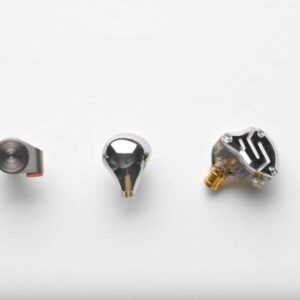


In ear monitors for musicians solve a simple but serious problem. On a loud stage, good monitoring is the difference between a tight performance and a mess.
If you cannot hear yourself or the band clearly, you start guessing, and guessing leads to wrong notes, bad timing, and vocal strain.
For many bands, in ear monitors for musicians become as important as the instruments themselves once they get used to them.
Instead of blasting sound from wedges on the floor, IEMs put a controlled mix directly in your ears. You hear what you need. At a lower volume. Wherever you stand on stage.
This guide walks through:
- What in ear monitors are and how they changed live sound
- Their main benefits and tradeoffs
- Custom molded vs universal fit
- Wired vs wireless IEM systems
- Get a good fit and maintain your gear
- Integrate in ear monitors into your stage setup
- Protect your hearing over a long career
If you play live regularly, or plan to, this is gear you should understand.

Credit: drummersreview.com
What In Ear Monitors For Musicians Do On Stage
In ear monitors for musicians are small earphones designed for live performance. They seal in your ears and deliver a personal mix of:
- Your own instrument or voice
- The rest of the band
- Sometimes a click track and cues
Instead of hearing a messy blend from loud speakers bouncing around the room, you hear a direct, cleaner feed.
Benefits For Performers
A good IEM setup can:
- Keep sound levels more consistent from venue to venue
- Reduce stage volume and feedback
- Let you move anywhere on stage without losing your mix
- Make pitch and timing easier because you hear your own voice clearly
- Let each musician build a mix that fits their role
You also gain something that matters more than people admit: reduced stress. When you are not fighting to hear, you play better and enjoy it more.
Sound Clarity And Isolation
In ear monitors offer strong isolation when they fit well. That means:
- Less bleed from drums, amps, and side fills
- Less temptation to turn everything up
- Clearer perception of subtle details like backing vocals and dynamics
Custom molded IEMs seal the ear canal more fully than generic tips. That isolation helps you:
- Use lower monitor volumes
- Concentrate on your own mix
- Avoid being drowned out by the room
Isolation is not perfect. You still feel the stage, but you are not overwhelmed by it.
From Wedges To IEMs: A Short Evolution
Stage monitoring used to be dominated by wedges. Those are the angled speakers at the front of the stage facing the performers.
Life With Wedges
Wedge based monitoring has some well known problems:
- Loud stage volume as each wedge fights to be heard
- Feedback when vocals and open mics collide with the monitors
- Different mixes depending on where you stand
- Limited mobility if your mix only exists in front of one box
In some rooms, wedges work fine. In others, reflective walls, low ceilings, and noise from the crowd turn the sound into a blur.
How In Ear Monitors Changed Things
In ear systems changed monitoring by:
- Moving the mix inside your ear canal
- Allowing one transmitter to send different mixes to each pack
- Reducing stage clutter and sonic chaos
Technology advances helped too:
| Advance | Impact on monitoring |
|---|---|
| Wireless systems | Freedom to move without dragging cables |
| Digital mixing | Easy per person monitor mixes from one console |
| Better isolation | Lower stage volume and cleaner sound |
Custom molded earpieces and multi driver designs made IEMs sound good enough that many pros now prefer them over wedges for most shows.
Custom Molded vs Universal Fit IEMs
You mentioned this distinction already. It matters a lot.
Custom Molded IEMs
Customs are built from impressions of your ears. A lab uses those molds to create shells that match your ear canals.
Pros:
- Maximal isolation
- Very secure fit
- Comfortable to wear for long sets once you adjust
- Consistent seal night after night
Cons:
- Higher cost
- Need audiologist impressions and production time
- Harder to share or resell later
Customs are common among touring pros and anyone who performs often in loud environments.
Universal Fit IEMs
Universal IEMs use standard shells and a range of ear tips.
Pros:
- Lower cost
- Easy to buy and replace
- Shareable in a pinch with new tips
- Good way to try IEMs before committing to customs
Cons:
- Fit varies by person
- Isolation depends heavily on tip choice and how you insert them
- More chance of working loose if you move a lot
Modern universal models with good tips can still offer very good sound and isolation. They are usually the right first step for most musicians.
Drivers And Sound Quality
Inside each earpiece are drivers, the tiny speakers that create sound.
Common Driver Types
- Single dynamic driver
- One moving diaphragm handles the full range
- Can sound good, with strong bass and simple tuning
- Balanced armature drivers
- Smaller, more precise drivers
- Often used in multi driver setups
Many IEMs use:
- Dual, triple, or quad driver designs
- Crossovers to send different frequencies to different drivers
Simple guide:
| Driver setup | Typical use case |
|---|---|
| Single driver | Budget, basic monitoring, casual listening |
| Dual or triple driver | More detail and headroom for live use |
| Quad and above | Pro touring, studio grade stage monitoring |
More drivers do not automatically mean better sound. Tuning and build matter. But higher end models often use multiple drivers to handle complex mixes at high levels without strain.
Wired vs Wireless In Ear Systems
The earphones are only half the story. You need a way to feed them audio.
Wired IEMs
A simple wired setup uses:
- IEMs with a cable
- A wired bodypack or direct cable from the mixer or personal monitor system
Pros:
- Lowest latency
- No wireless interference worries
- Cheaper to set up
Cons:
- Cables on stage can get snagged
- Limits movement
- Less clean look
Good for:
- Drummers and keyboardists who stay mostly in one place
- Small stages and rehearsals
- Tight budgets
Wireless IEMs
A wireless system typically includes:
- A transmitter connected to the mixer
- A receiver pack worn on a belt or strap
- A pair of IEMs plugged into the pack
Pros:
- Full freedom of movement
- Cleaner stage
- One transmitter can feed multiple receivers with different mixes (depending on system and mixer)
Cons:
- More expensive
- Needs frequency planning to avoid interference
- Batteries must be managed carefully
Key specs to watch:
- Frequency range and legal bands for your region
- Signal to noise ratio
- Battery life
- Build quality of the packs
For most singers and front line players, wireless is worth it.
If you want to understand cables, latency, and wired gear in more depth, our guide to wired headphones covers the basics well.
Getting A Good Fit
Everything you gain from IEMs depends on the fit. Poor fit means:
- Bad sound
- Weak bass
- Little isolation
Comfort And Seal
Good fit means:
- Even pressure in the canal
- No pain or hotspots
- Noticeable drop in ambient noise when you insert the earpieces
Tips:
- Try different sizes and materials (silicone, foam, hybrid)
- Insert deeply enough to form a seal, but not to the point of pain
- Take time off stage to practice inserting and checking fit
With customs, your main job is getting good impressions and working with a reputable maker.
Care And Maintenance
To keep your IEMs performing:
- Wipe them with a soft cloth after each show
- Clean wax from nozzles with the supplied tool
- Replace tips when they lose shape or grip
- Coil cables gently and avoid crushing them
Proper storage in a small case protects them from drops and moisture.
Integrating IEMs With Your Performance Gear
You had a whole section on this. It is important.
Wireless System Basics
When choosing a wireless IEM system, check:
- Frequency range that is legal and clear in your touring area
- Ability to handle multiple performers on different channels
- Battery life that matches your set length plus buffer
- Build quality for packs and antennas
A typical signal flow looks like this:
- Instrument or vocal → mixing console
- Console sends a monitor mix to an aux output
- Aux output goes to the wireless IEM transmitter
- Transmitter sends that mix to your bodypack
- Bodypack feeds your IEMs
If you use a personal mixer on stage, the signal flow may include that between the console and the transmitter.
On Stage Setup
Practical steps for a smooth setup:
- Label packs and channels for each musician
- Soundcheck mixes individually before full band plays
- Keep a clear line of sight between packs and antennas when possible
- Monitor battery levels before and during sets
Planning this once and reusing the same logic from show to show saves headaches.
If you also use over ear or on ear headphones in the studio, our studio headphones guide explains how they fit into a full monitoring chain.
Hearing Protection And Long Term Health
This is one of the strongest reasons to use IEMs.
Volume Management
Stage monitors often push:
- High levels to overcome drums and amps
- Enough sound to fill the whole front of the stage
IEMs change the equation:
- You hear direct sound at lower levels
- Outside noise is blocked more
- You can keep volumes in a safer range
Key points:
- Use enough isolation that you are not tempted to turn your pack too high
- Set limiting on monitor sends to prevent sudden spikes
- Remember that long exposure at moderate volume is still riskier than short exposure
Long Term Benefits
Consistent use of IEMs with sensible volume can:
- Reduce risk of hearing loss and tinnitus
- Limit fatigue on long tours
- Help you stay in the business longer
Think of IEMs as part of your hearing protection strategy, not just a sound upgrade.
For broader everyday listening outside the stage, you can pair in ear monitors for musicians with safer listening habits and even check our wearable health monitors guide if you also track recovery and sleep.
Long exposure to high volume can permanently damage hearing, even with in ear monitors. For medically grounded guidance on safe sound levels, it helps to look at resources from organizations like the National Institute on Deafness and Other Communication Disorders (NIDCD).
Best Practices For In Ear Monitors For Musicians During Live Shows
You covered mixing and avoiding problems. Let’s make it sharp.
Building A Good Monitor Mix
A good mix is:
- Clear
- Not overcrowded
- Focused on what you need to perform well
Guidelines:
- Start simple. Get your own voice or instrument solid first.
- Bring in key timing references next, like drums and bass.
- Pan instruments slightly left and right to match their stage positions.
- Add a bit of ambience from room mics so you do not feel completely isolated.
Do not try to hear everything at equal volume. You want a hierarchy.
Avoiding Common Issues
Common problems and quick fixes:
| Issue | Likely cause | Simple fix |
|---|---|---|
| Feedback | Too many vocals in the on- stage mics | Adjust EQ, reduce gain, improve mic technique |
| Dropouts | Wireless interference or distance | Change frequency, move closer, adjust antennas |
| Discomfort | Poor fit or wrong tip size | Try different tips or consider customs |
| Uneven levels | Bad gain staging or mix choices | Reset mix, check input gains, rebalance elements |
Always test your system before you hit the stage with a full audience.
Choosing The Right In Ear Monitors For Musicians
You already had this in your draft. Here it is in a cleaner form.
When you choose in ear monitors for musicians, three things matter most: sound, fit, and durability.
Sound Quality
Look for:
- Balanced frequency response, not harsh highs or boomy lows
- Enough clarity at low and high volumes
- A sound signature you can work with for long shows
More drivers can help, but tuning matters more. A well tuned dual or triple driver IEM often beats a poorly tuned model with many drivers.
Comfort And Fit
Key factors:
- Shell size and shape
- Tip selection
- Weight and cable design
If you perform often, comfort is non negotiable. A slightly “worse” sound on paper is better than a perfect one you cannot stand to wear.
Durability And Build
Stage work is rough. Check:
- Housing materials
- Strain relief at cable joints
- Whether the cable is detachable
Detachable cables are a big plus. They are the first thing to fail, and easy to replace.
Budget And Needs
IEM setups range from budget to very high end.
Questions to ask:
- Frequency of your gigs
- Typical stage volume
- Need for absolute fidelity versus solid, workable clarity
A serious touring pro and a weekend player do not need the same gear. Buy enough quality that you are not fighting your tools, but do not bankrupt yourself for a logo.
Compatibility
Make sure:
- Impedance and sensitivity make sense for your pack or wired setup
- Connectors match your gear or can be adapted easily
- Wireless systems and packs match frequencies and connector types
Mixing and matching randomly is how people end up with hums, low output, and unreliable connections.
The Future Of In Ear Monitoring
IEMs are still evolving.
Trends include:
- Better wireless systems with lower latency and more stable links
- Wider use of 3D printing for custom shells
- Smarter DSP for personalized EQ and hearing profiles
- Integration with apps for remote control of mixes and settings
- Hybrid designs that offer some ambient sound control so you are not cut off from the room
We will likely see more features like:
- Built in active noise reduction tuned for stage use
- Hearing safe limiters tuned to the player’s hearing profile
- AI assisted mixing suggestions for personal monitor mixes
The core idea, though, will stay the same. Clean, controllable sound directly in the ears of each musician.
FAQ about In-ear Monitors for Musicians
What do professional musicians use for in ear monitors?
Most serious touring musicians use custom molded IEMs from brands such as Shure, Westone, Ultimate Ears, 64 Audio, and similar makers. They choose based on sound, fit, and reliability, not just the name.
Why do musicians wear in ear monitors on stage?
They use them to hear a personal mix of their voice and instruments, stay on time and in tune, and protect their hearing by keeping volumes lower and more controlled than floor wedges allow.
Are in ear monitors good for casual music listening?
Good IEMs can sound excellent for everyday listening. They offer high isolation and detailed sound. Just remember they are tuned with stage use in mind, so you may want a slightly different EQ for home listening.
Which in ear models do musicians often choose?
Popular models include higher end lines from Shure, Sennheiser, Westone, Ultimate Ears, 64 Audio, and others. Specific model names change over time. The key is using stage focused IEMs rather than cheap earbuds.
Do IEMs completely eliminate the need for stage monitors?
In many setups, yes. A band with a full IEM system can remove wedges and side fills entirely. That said, some performers still use a mix of IEMs and a little stage sound, especially in smaller or more informal settings.
Conclusion
In ear monitors give musicians control where it matters most: what they hear in the moment of performance.
They offer:
- Clear, direct sound
- Less noise and feedback on stage
- Better protection for your hearing
- Consistent mixes from venue to venue
They demand:
- A bit of learning
- A careful approach to fit and setup
- Some investment in good gear
If you gig regularly, treat IEMs as part of your instrument, not an accessory. The right monitoring can make the difference between fighting through a show and actually enjoying playing it.
In ear monitors for musicians are not just another gadget. They are part of the core signal chain that shapes what you hear every night.
Used well, in ear monitors do not just change what you hear. They change how you play.

A passionate tech blogger and the founder of Best Tech View, a dynamic platform dedicated to all things technology. With a keen interest in the tech, Ahmad strives to provide insightful and engaging content on the latest tech trends, and breakthroughs.