

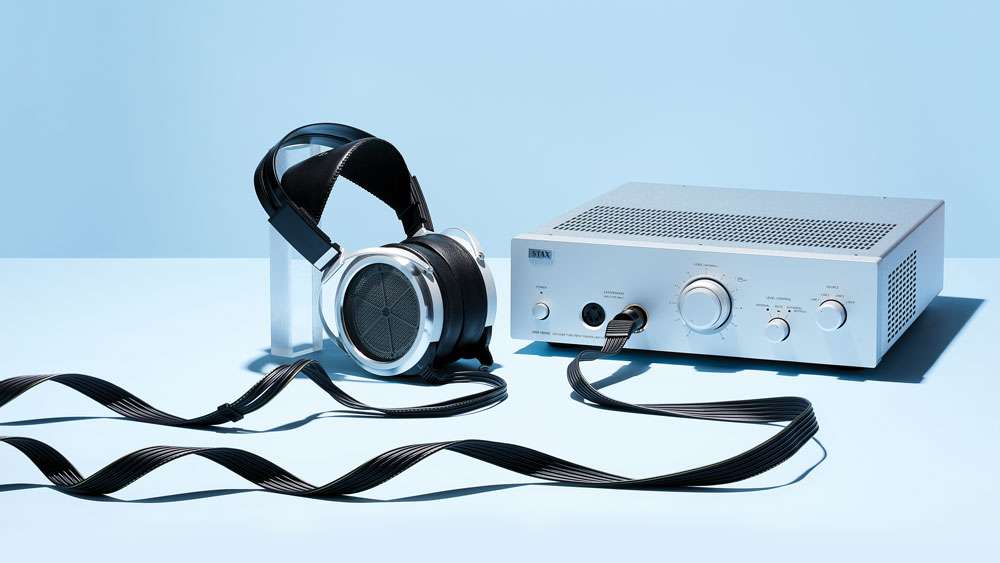
Audiophile headphones are built for listeners who care more about accurate, detailed sound than about boosted bass and fake sparkle. The word “audiophile” gets thrown onto everything from cheap gaming headsets to five‑figure gear, so it helps to understand what these headphones really are.
At the simplest level, audiophile headphones are built to reproduce music as faithfully as possible. They focus on:
- Accuracy, not extra bass or fake sparkle
- Detail, so you can hear small changes and textures
- Comfort, so you can listen for hours without distraction
They are tools for people who care about how recordings really sound, not just how impressive they feel for five minutes in a store.
This guide walks through:
- What sets audiophile headphones apart
- The sound fundamentals you should understand
- Driver technologies and design choices
- How price and performance really relate
- How to build a simple system around good headphones
If you are trying to decide whether audiophile headphones are worth it for you, this will give you a grounded view.
What Makes Audiophile Headphones Different
Most consumer headphones are tuned for impact:
- Raised bass
- Bright highs
- A “V shaped” sound that grabs attention fast
That can be fun, but it hides problems in mixes and alters the balance of instruments.
Audiophile headphones aim for something else.
Accuracy Over Excitement
Key traits:
- Flatter frequency response
- Controlled bass instead of boom
- Clear mids where vocals and most instruments live
- Highs that reveal detail without harshness
If you work on music as well as listen, our studio headphones guide explains how monitoring tools compare to pure audiophile models. You can also see our list of the best studio headphones if you want models tuned for mixing and production.
The goal is not to make every track sound big and exciting. It is to show you what is actually on the recording.
Built For Long Sessions
You do not buy audiophile headphones to wear for ten minutes.
You want:
- Soft pads
- Even headband pressure
- Reasonable weight
Comfort sounds boring until you hit hour two of a listening session or a long edit. Then it becomes the difference between keeping going and taking them off.
Real Materials And Repairability
Many higher end headphones use:
- Metal for yokes and headbands
- Better plastics and adhesives
- Replaceable pads and cables
This is not about luxury alone. It is about:
- Surviving years of use
- Letting you replace wear parts instead of the entire headphone
Sound Fundamentals For Audiophile Headphones
You do not need to be an engineer, but a few basics help you make sense of specs and reviews.
Frequency Response
Frequency response tells you:
- Bass extension: how low the bass goes
- Midrange balance: how the mids are shaped
- Treble reach: how high the top end extends
Human hearing is roughly 20 Hz to 20 kHz. Many headphones claim that range. The shape of the response inside that range matters more than the numbers.
Rough bands:
- 20–250 Hz: bass and weight
- 250–4,000 Hz: mids (voices, guitars, pianos)
- 4,000–20,000 Hz: treble and air
Good audiophile headphones:
- Do not overblow bass
- Keep mids clear and natural
- Avoid sharp spikes in treble that cause fatigue
If you want to see real measurement graphs and detailed technical reviews of many popular headphones, RTINGS provides a useful database of tests and comparisons.
Soundstage And Imaging
Soundstage is the sense of space:
- Width: how far left and right sounds appear
- Depth: how near or distant they feel
- Height: sometimes a sense of above and below
Imaging is how precisely you can place instruments and sounds inside that space.
Closed headphones often have a more intimate, inside‑the‑head presentation. Open back designs, when done well, can feel wider and more speaker like.
Good soundstage and imaging are not only “fun.” They help with:
- Classical and jazz
- Live recordings
- Games and films
However good your headphones are, long sessions at high volume can still damage your hearing. For medical guidance on noise exposure and safe listening levels, you can refer to resources from the NIDCD.
Driver Technologies In Audiophile Headphones
Headphone drivers turn electrical signals into motion, then into sound. The way they do that affects the character of the sound.
Dynamic Drivers
Most headphones use dynamic drivers.
- A voice coil moves a diaphragm in a magnetic field
- Simple, robust, and relatively cheap
Good dynamic designs can sound excellent. Many classic audiophile models use them.
Traits people often hear:
- Natural timbre
- Strong impact
- Good value at many price points
Planar Magnetic Drivers
Planar magnetics use:
- A thin diaphragm with a printed circuit
- Magnets on both sides
The diaphragm moves more evenly, which can reduce certain kinds of distortion.
Fans like them for:
- Speed and clarity
- Clean bass
- Smooth, detailed mids
They are usually larger and heavier than dynamic designs.
Electrostatic Drivers
Electrostatic headphones:
- Use an ultra thin diaphragm between two charged plates
They can deliver:
- Extremely high resolution
- Lightning fast response
They also require special amplifiers and tend to be expensive. This is a niche for serious hobbyists and professionals.
Open Back vs Closed Back Audiophile Headphones
You need to choose how much you care about isolation versus space.
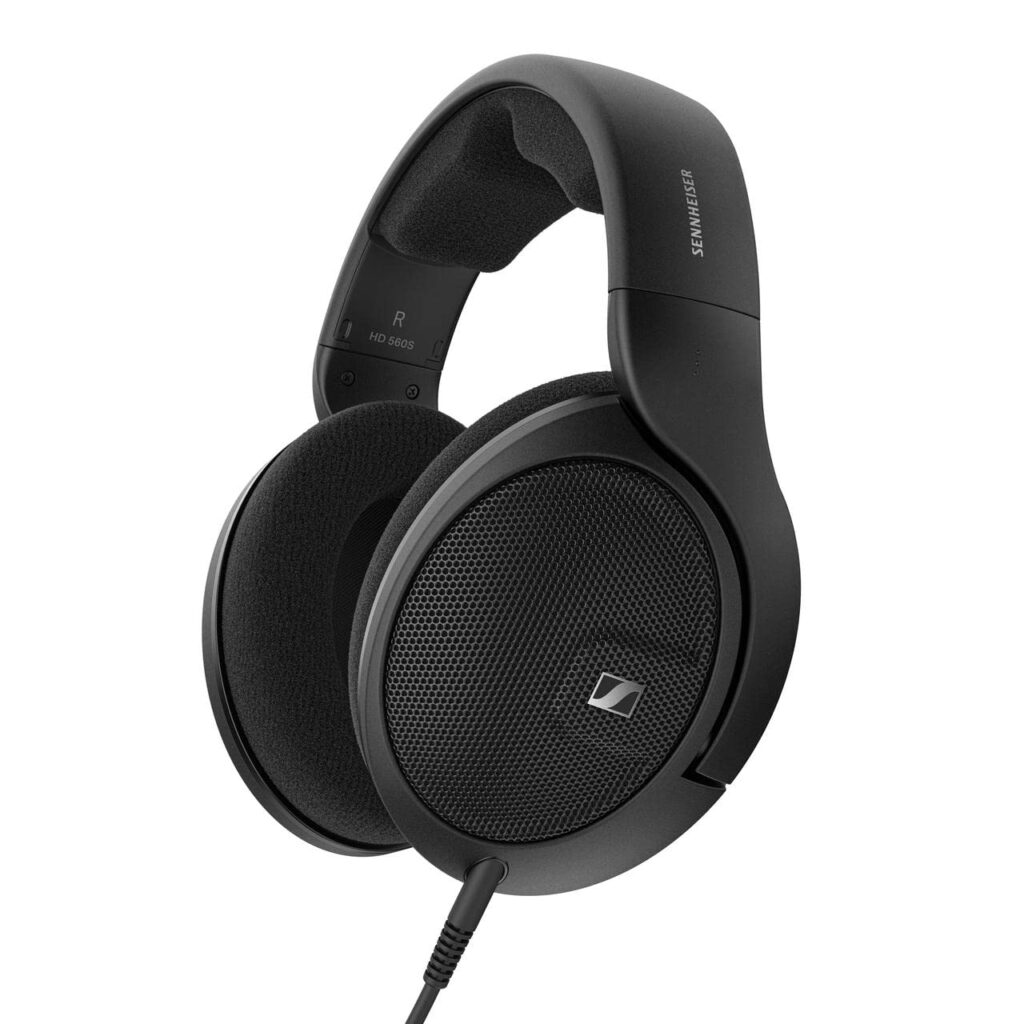
Open Back
Open back designs:
- Use vents or grills on the earcups
- Let air and some sound pass freely
Pros:
- More natural, airy sound
- Wider soundstage in many cases
- Cooler on the ears
Cons:
- Sound leaks out
- Outside noise leaks in
- Not good around others or in noisy rooms
Open backs are popular for:
- Home listening in quiet spaces
- Mixing and critical listening when you do not need isolation
Closed Back
Closed backs:
- Have sealed earcups
- Block more outside noise
Pros:
- Better isolation
- No leakage to disturb others
- Often a stronger sense of punch
Cons:
- Soundstage can feel narrower
- Ears may heat up more
- Getting a truly neutral tuning is harder
Closed backs are useful for:
- Shared spaces and office use
- Recording with mics in the same room
- Travel and general use
Many people end up owning one of each. For more detail on these designs, you can compare models in our guides to open-back and closed back headphones.
Impedance, Sensitivity, And Amps For Audiophile Headphones
Specs like “300 ohms” and “97 dB/mW” look intimidating. The ideas behind them are simple.
Impedance
Impedance, measured in ohms, tells you how much electrical resistance the headphone presents.
Rough ranges:
- Under 50 ohms: easy to drive from most devices
- 50–150 ohms: often fine on interfaces and better phones, may still like an amp
- Above 150 ohms: usually benefit from a dedicated amplifier
High impedance headphones can sound weak and thin when plugged straight into a laptop or phone.
Sensitivity
Sensitivity tells you how loud the headphone will get with a given amount of power.
- Higher sensitivity: louder from the same source
- Lower sensitivity: may need more power
You want a combination that your source can drive without strain. If you have or plan to buy a good DAC/amp, you can comfortably choose higher impedance models. For a more general look at how cables, impedance, and wired connections behave, see our guide to wired headphones.
Credit: www.amazon.com
Price And Diminishing Returns In Audiophile Headphones
Price in the audiophile world runs from “reasonable” to “insane.”
It helps to understand what changes as you climb.
- Under $100
- Basic build
- Often colored tuning
- Can still be pleasant, but not “true” audiophile gear
- $100–$300
- Much better tuning
- Decent materials
- Many entry level audiophile favorites live here
- $300–$800
- Refinement
- Better drivers and housings
- Strong models for serious listening
- Above $800
- Smaller gains in sound for much larger jumps in price
- More about chasing a particular flavor or level of perfection
There are real improvements as you move up, but returns shrink. Past a certain level you are paying for:
- Specific tuning you love
- Build quality and feel
- Brand, rarity, and sometimes prestige
You do not need to spend thousands to hear real benefits. For most people, a good pair in the mid range and a solid source are already a big upgrade.
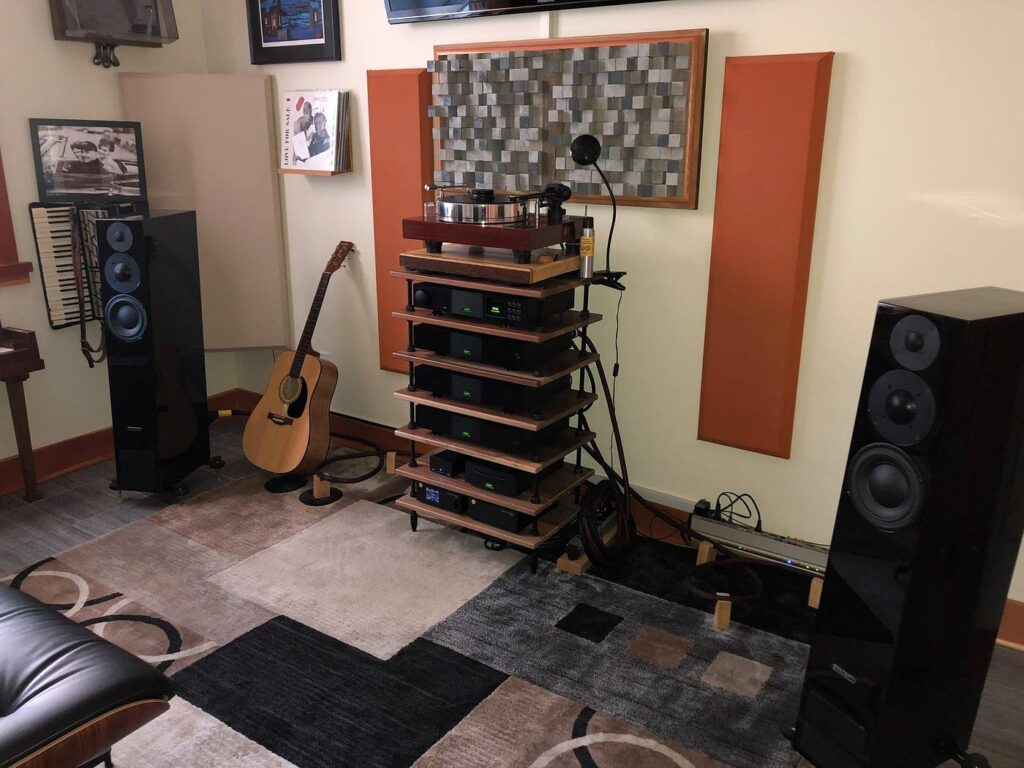
Building A Simple Audiophile Headphone System
Headphones are only part of the chain. The rest of the system matters more than many people think.
Source And Files
You cannot fix a bad recording with a good headphone.
Try to:
- Use lossless or high quality streaming where possible
- Avoid heavily compressed or low bitrate files if you care about detail
The better the source, the more your headphones can show you.
DAC And Amplifier
A DAC (digital to analog converter):
- Turns digital audio into analog signals
An amplifier:
- Provides enough clean power to drive your headphones
Many phones and laptops have okay DACs and very basic amps. Stepping up to a dedicated DAC/amp can:
- Reduce noise and hiss
- Improve dynamics and control
- Help you drive higher impedance models properly
You do not need to go crazy. Even modest external units can be a real improvement over built in outputs.
Cables And Accessories
Cables should be:
- Sturdy
- Flexible
- Long enough for your setup
They do not need to be exotic or incredibly expensive. Comfort and reliability matter more.
Caring For Audiophile Headphones
Good headphones can last many years if you treat them well.
Basic care:
- Wipe pads and headband with a soft cloth after long sessions
- Avoid extreme heat, cold, and moisture
- Store them on a stand or in a case, not loose in a backpack
- Replace pads and cables when they wear out
Most serious audiophile models are designed with spare parts in mind. Taking advantage of that is cheaper than buying a new pair every couple of years.
Community And Expectations
Audiophile culture can be helpful and toxic at the same time.
On the good side:
- Forums and reviews can help you avoid bad buys
- People share measurements, comparisons, and honest impressions
On the bad side:
- Hype cycles push the “headphone of the month.”
- Some people exaggerate tiny differences or invent things they cannot actually hear
Use community input as data points, not commandments. Your own ears, use case, and budget matter most. For ideas on cases, stands, and replacement parts that keep your gear safe, see our guide to headphone accessories for long term use.
Credit: medium.com
FAQ About Audiophile Headphones
What defines an audiophile headphone?
It is a high-fidelity headphone. It aims for accurate sound with low distortion, revealing detail and balance instead of boosting bass or treble to impress you quickly.
Are audiophile headphones worth it?
If you care about sound and listen often, a well chosen pair can be a very good investment. You hear more of the music and less of the gear. If you mostly listen casually in noisy places, the benefit is smaller.
Do I need an expensive DAC/Amp?
You need enough clean power and a decent DAC. For many people, a modest external DAC/amp is a big step up from a laptop or phone. Ultra expensive units bring smaller improvements.
Can I use audiophile headphones with a phone?
Many can work from a phone, especially lower impedance models. To hear their full potential, especially with higher end or high impedance pairs, a DAC/amp that bypasses the phone’s analog output is often better.
How do I choose the right pair?
Think about:
- Where will you listen (quiet room vs noisy commute)
- Whether you need isolation (closed) or can use open backs
- Your budget
- Reviews and measurements from trusted sources
Whenever possible, try to listen before you buy, or buy from places with a fair return policy.
Conclusion
Audiophile headphones are not magic objects. They are well engineered tools that, when paired with a decent source and sensible expectations, let you hear more of what is actually in your music.
If you:
- Listen often
- Value detail and balance
- Have or can build a basic source chain
Then investing in a good pair makes sense.
Pick something comfortable, honest, and within your budget. Learn how it presents your favorite albums. Over time, you will hear more and more in the records you thought you already knew. That is the real reward of going beyond ordinary headphones.

A passionate tech blogger and the founder of Best Tech View, a dynamic platform dedicated to all things technology. With a keen interest in the tech, Ahmad strives to provide insightful and engaging content on the latest tech trends, and breakthroughs.