

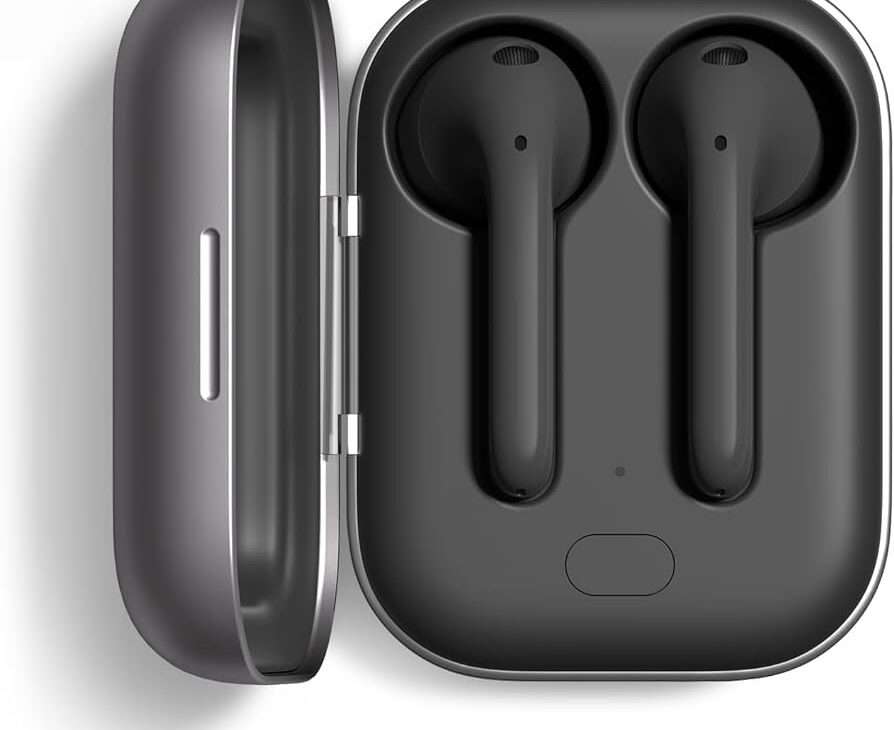
Finding good Best Studio Headphones With Bluetooth is harder than it sounds. Many so-called “wireless studio” models are really just consumer headphones tuned with extra bass and a flashy sound, which is fine for casual listening, but not for rock tracks where guitars, drums, and vocals require clear, controlled detail. If you want the freedom of Bluetooth without losing the focus and detail you expect from studio gear, you have to be selective.
In this guide, I’ve hand-picked a set of studio headphones with Bluetooth that still sound exciting with rock: tight, controlled bass instead of muddy boom, clear mids for guitars and vocals, and enough treble to keep cymbals alive without becoming harsh. I’ve also carefully examined comfort for long sessions, build quality, latency (for basic recording or jamming), and whether you still get a reliable wired connection when needed.
Below, you’ll find my top picks for different budgets and use cases – from daily rock listening to more serious home‑studio work. Use this guide to quickly see which Bluetooth studio headphones will actually do justice to your favorite rock albums and playlists.

Credit: www.amazon.com
The Evolution Of Studio Headphones
Studio headphones have come a long way. They started as simple wired devices. Now, they are advanced Bluetooth-enabled gadgets. Let’s explore this transformation.
From Wires To Wireless
Wired headphones were the industry standard. They offered reliable sound quality. But they had limitations.
- Limited movement
- Tangled cables
- Port dependency
Bluetooth studio headphones changed the game. They brought freedom and flexibility. No more tangled cables. No more limited movement. Artists can move freely in the studio. This freedom enhances creativity.
| Feature | Wired Headphones | Bluetooth Headphones |
|---|---|---|
| Mobility | Restricted | Enhanced |
| Sound Quality | Consistent | Improving |
| Convenience | Low | High |
Impact On Sound Production
Bluetooth studio headphones affect sound production. They bring many benefits.
- Mobility: Artists can move around freely.
- Comfort: No cables means more comfort.
- Efficiency: Easy to connect and use.
Sound quality has improved over time. Early Bluetooth headphones had issues. New models offer high-fidelity sound. This benefits producers and musicians. They can trust their headphones. They know they will hear every detail.
Today’s Bluetooth studio headphones balance convenience and quality. They are essential for modern studios. They offer freedom and high-quality sound. This combination is a game-changer.
How We Chose the Best Bluetooth Studio Headphones for Rock
When I picked the models for this list, I focused on how well they handle rock music and real‑world use, not just spec sheets.
- Sound tuning
I looked for headphones with energetic mids and clear treble so guitars and vocals stay forward and detailed instead of sounding dull or recessed. - Bass performance
Rock needs punchy kick drums and bass guitar, not boomy or muddy low end. Models that overdo the bass and blur the mix were filtered out. - Comfort for long sessions
Studio-style listening often means hours at a time. I prioritized headphones with soft pads, reasonable clamping force, and headbands that do not create hot spots. - Build and durability
I favored designs with solid hinges, metal yokes or reinforced plastics, and pads that can be replaced when they wear out. - Wired and wireless flexibility
Wherever possible, I chose Bluetooth studio headphones that also offer a wired connection, so you can plug into an interface or amp when latency or battery life matters. - Price and overall value
Finally, I compared what you get for the money across budget, mid-range, and higher-end options, so there is a sensible choice for different budgets and needs.
Who Should (and Should Not) Choose Bluetooth Studio Headphones
Bluetooth studio headphones are a great fit if:
- You mainly listen to rock for enjoyment and want studio-flavoured sound with the convenience of wireless.
- If you play guitar, bass, or drums and need one pair of headphones for practice, casual tracking, and daily listening.
- You do light home recording or editing and are willing to accept a bit of latency in return for comfort and flexibility.
They are probably not the best choice if:
- You do critical professional mixing or mastering where every millisecond of latency and every small EQ detail matters. In that case, a high-quality wired studio headphone is still the better tool.
- You are on a tight budget and care more about maximum sound quality than wireless features. A purely wired studio model at the same price will usually sound more accurate.
If you recognize yourself more in the first group, the Bluetooth studio headphones in this guide should suit you very well.
Key Features Of Bluetooth Studio Headphones
Bluetooth studio headphones are revolutionizing the audio world. They offer a blend of convenience, mobility, and high‑quality sound. This section covers the key features that make these headphones worth considering for serious listening and home‑studio work.
Latency And Audio Quality
Latency is a crucial factor for studio headphones. Lower latency means the audio feels more in sync with what you are playing or watching. Bluetooth technology has improved a lot, and newer codecs can reduce delay compared with older models, but it is still not truly zero latency.
For casual tracking and editing, this can be fine, but for critical live recording or tight performance work, a wired connection is still more reliable.
Audio quality is another important aspect. Many Bluetooth studio headphones now support advanced codecs such as aptX, aptX Adaptive, and LDAC. These codecs help deliver higher‑fidelity audio with less compression, so you get clearer detail and fuller bass compared with basic SBC‑only Bluetooth.
Battery Life And Comfort
Battery life is essential for wireless headphones. Modern Bluetooth studio headphones often offer 20 to 60 hours of playback on a single charge, depending on volume, codec, and whether ANC is enabled. That means you can work or listen for long stretches without constantly recharging.
Comfort is equally important. Good models use ergonomic designs with padded ear cups and breathable materials. This lets you wear them for extended sessions without hot spots or pressure points. Many also include adjustable headbands so you can dial in a secure but comfortable fit.
At a Glance: Core Features
| Feature | Details |
|---|---|
| Latency | Reduced delay compared with older Bluetooth, but wired is still best for critical recording and tight timing. |
| Audio Quality | Support for advanced codecs (aptX, LDAC, etc.) to deliver higher‑fidelity wireless sound. |
| Battery Life | Long‑lasting batteries, often 20–60 hours per charge, depending on the model. |
| Comfort | Ergonomic designs with padded ear cups and adjustable headbands for long sessions. |
These key features are why many creators now keep a pair of Bluetooth studio headphones next to their wired reference cans. You get solid audio quality, long battery life, and real freedom of movement, which can make both practice and casual work sessions much more comfortable.
Choosing The Right Bluetooth Studio Headphones
Bluetooth studio headphones have changed how many people work in home and project studios. They offer freedom from cables and unmatched sound quality. Choosing the right pair can be challenging. This guide will help you find the perfect Bluetooth studio headphones.
What To Look For
When selecting Bluetooth studio headphones, consider the following factors:
- Sound Quality: Ensure the headphones have a wide frequency range and clear sound.
- Battery Life: Look for headphones with long battery life for uninterrupted sessions.
- Comfort: Choose headphones with cushioned ear pads and adjustable headbands.
- Bluetooth Version: Opt for the latest Bluetooth version for better connectivity.
- Latency: Ensure low latency for real-time audio monitoring.
- Durability: Select headphones made with high-quality materials.
Our Top 5 Picks: Best Bluetooth Studio Headphones for Rock
Below is a quick comparison table of our top 5 Studio Headphones With Bluetooth for rock, followed by detailed reviews of each model.
| Model | Type | Sound for Rock (short comment) | Connectivity (Bluetooth, wired, codecs) | Battery Life* | Best For |
| Audio-Technica ATH-M50xBT2 | Over-ear, closed-back | Energetic, punchy tuning with tight bass and clear mids for guitars | Bluetooth 5, SBC/AAC/aptX/LDAC, detachable 3.5 mm cable | Up to around 50 hours | Listeners who want a wireless version of a classic studio headphone |
| Beyerdynamic Amiron Wireless | Over-ear, semi-open | Detailed, spacious sound with controlled bass and lively treble | Bluetooth with aptX HD and aptX Low Latency, wired option via cable | Around 30 hours | Rock fans who want a more audiophile-style, detailed presentation |
| Shure AONIC 50 Gen 2 | Over-ear, closed-back, ANC | Neutral-leaning, good instrument separation, and clear vocals | Bluetooth 5, multiple codecs (including aptX Adaptive), USB, and analog cables | Up to around 45 hours | People who want studio-style balance plus ANC for travel and home use |
| Sennheiser Momentum 4 Wireless | Over-ear, closed-back, ANC | Slightly warm tuning with solid punch and clear, smooth mids | Bluetooth 5, aptX Adaptive, 3.5 mm cable support | Up to around 60 hours | Everyday rock listeners who want comfort, long battery life, and good clarity |
| Sony WH-1000XM5 | Over-ear, closed-back, ANC | Full, engaging sound with strong bass and good detail for guitars/vocals | Bluetooth 5.2, LDAC, multipoint, wired input via adapter | Up to around 30 hours (ANC on) | Rock listeners who need excellent noise-canceling while commuting or traveling |
*Battery life is approximate and based on manufacturer claims; real-world results depend on volume, codec, and ANC settings.*
Audio-Technica ATH-M50xBT2 – Best Wireless Upgrade of a Studio Classic
Key Specs
– Design: Over-ear, closed-back
– Driver size: 45 mm dynamic drivers
– Wireless: Bluetooth 5.0
– Codecs: SBC, AAC, LDAC (no aptX)
– Battery life: Up to about 50 hours per charge
– Charging: USB-C, around 3.5 hours to full
– Wired option: Yes, 3.5 mm analog cable included
– Mic and controls: Built-in mic, on-ear buttons, supports voice assistants
– ANC: No active noise canceling
Pros
– Classic ATH-M50x sound in wireless form, with punchy bass and lively treble
– Tight, energetic presentation that works very well with rock, metal and pop
– Very long battery life compared with many competitors
– Can be used as a fully wired studio-style headphone when needed
– Foldable design with robust hinges, easy to store and travel with
– LDAC support for higher-bitrate Bluetooth on compatible Android devices
Cons
– No ANC, so not ideal for very noisy commutes or airplanes
– Clamp can feel firm and the pads moderately stiff for some users during long sessions
– Sound is more V-shaped than neutral, not the best choice if you want a flat studio reference
– Uses Bluetooth 5.0 and lacks aptX, which some users prefer for low latency on certain devices
Best For
Listeners who want a Bluetooth version of a proven studio classic, with energetic sound for rock at a reasonable price.
Why we like it for rock
The tuning is very similar to the wired ATH-M50x, with tight, punchy bass that keeps kick drums and bass guitar clear instead of boomy. Guitars sit confidently in the mids, so riffs and solos stand out, and cymbals have enough bite to feel exciting without becoming painfully sharp.
You also get a wired connection when you want the lowest possible latency for basic recording or practice.
Beyerdynamic Amiron Wireless – Best for Spacious, Detailed Rock Listening
Key Specs
– Design: Over-ear, closed-back (with a slightly open, airy feel)
– Driver size: 45 mm Tesla dynamic drivers
– Wireless: Bluetooth 4.2
– Codecs: SBC, AAC, aptX, aptX HD, aptX Low Latency
– Battery life: Up to about 30 hours
– Wired option: Yes, detachable analog cable included
– Mic and controls: Built-in mic and touch controls on the earcup
– ANC: No active noise canceling
– App: Beyerdynamic MIY app with sound personalization and EQ
Pros
– Detailed, spacious sound with excellent instrument separation
– Tesla drivers provide very controlled bass and clean mids, great for dense rock mixes
– Comfortable velour earpads and generous headband padding for long sessions
– Support for aptX HD and aptX Low Latency for higher quality and reduced lag
– MIY app lets you personalize the sound to your hearing profile
Cons
– Expensive compared with many other Bluetooth headphones
– Large and relatively heavy, not the most portable option
– No ANC, so they do not block outside noise as well as travel-focused models
– Older Bluetooth 4.2 platform, though still stable in daily use
Best For
Rock fans who want a more spacious and detailed presentation, closer to an audiophile or studio listening experience.
Why we like it for rock
The Amiron Wireless has very controlled low end, so dense rock mixes do not blur together when the drums and bass get busy. Electric guitars come through with plenty of texture, and vocals stay open and natural.
Treble has good sparkle for cymbals and hi-hats, which keeps live recordings and classic rock tracks feeling lively. It is also one of the more comfortable over-ear options for long listening sessions.
Shure AONIC 50 Gen 2 – Best Bluetooth Studio Headphones With ANC
Key Specs
– Design: Over-ear, closed-back with active noise canceling
– Driver size: 50 mm dynamic drivers
– Wireless: Bluetooth 5.2
– Codecs: SBC, AAC, aptX, aptX HD, aptX Adaptive, LDAC
– Battery life: Up to about 45 hours (with ANC, depending on volume and mode)
– Wired options: 3.5 mm analog cable and USB-C audio support
– ANC and Transparency: Adjustable hybrid ANC and environment modes
– App: ShurePlus PLAY app with detailed EQ and ANC control
Pros
– Neutral-leaning, studio-style tuning that works for both rock listening and light mixing
– Very flexible codec support, including LDAC and aptX Adaptive for high-quality wireless audio
– Strong, adjustable ANC plus good transparency mode for awareness when needed
– Supports both analog and USB-C digital audio for the lowest latency and best quality
– Build feels solid and premium, with good isolation
Cons
– Heavier than many mainstream ANC headphones
– Clamp can feel firm for smaller heads until the headband breaks in
– App and options may feel a bit technical to casual users
– Sits in the higher price range
Best For
People who want a neutral-leaning Bluetooth studio headphone that can do double duty for rock listening and light mixing, with the bonus of active noise canceling.
Why we like it for rock
The AONIC 50 Gen 2 has a relatively balanced tuning, so you hear the structure of the mix instead of just big bass. Kick drums and bass guitars are firm but not bloated, while guitars and vocals are easy to separate in the midrange.
Treble is detailed enough to pick up cymbal work without getting overly bright. ANC helps keep outside noise down so you can focus on the finer details in rock recordings.
Sennheiser Momentum 4 Wireless – Best Everyday Bluetooth Headphone for Rock
Key Specs
– Design: Over-ear, closed-back with adaptive ANC
– Driver size: 42 mm dynamic drivers
– Wireless: Bluetooth 5.2
– Codecs: SBC, AAC, aptX, aptX Adaptive
– Battery life: Up to about 60 hours with ANC on
– Wired option: Yes, analog cable included
– ANC and Transparency: Adaptive noise canceling and adjustable transparency modes
– App: Sennheiser Smart Control app with EQ, sound modes, and ANC control
Pros
– Very long battery life, excellent for travel and all-day listening
– Warm, engaging sound with solid bass and smooth mids that suit rock and pop well
– Good ANC performance with adaptive behavior that adjusts to your environment
– Comfortable fit with soft earpads and light clamp
– aptX Adaptive support for consistent audio quality on supported devices
– Multipoint support for connecting to two devices at once
Cons
– Touch controls on the earcup can feel finicky and take time to get used to
– Does not fold inward like some rivals; the case is a bit larger in a bag
– Tuning is more consumer-friendly than strictly neutral; mids can feel slightly recessed to some listeners
– Mostly plastic build, which keeps weight down but may not feel as premium as some alternatives
Best For
Everyday rock listeners who want a comfortable, all-round Bluetooth headphone that still keeps good clarity and punch.
Why we like it for rock
The Momentum 4 Wireless gives a slightly warm but controlled sound that suits rock very well. Bass has enough weight for modern productions, yet it does not smear over guitars and vocals.
The midrange is smooth and clear, so distorted guitars and lead vocals sound strong without becoming harsh. It is also very comfortable with excellent battery life, which makes it a great choice if you listen for many hours a day.
Sony WH-1000XM5 – Best for Rock Fans Who Travel a Lot
Key Specs
– Design: Over-ear, closed-back with advanced ANC
– Driver size: 30 mm dynamic drivers
– Wireless: Bluetooth 5.2
– Codecs: SBC, AAC, LDAC
– Battery life: Up to about 30 hours with ANC on, around 40 hours with ANC off
– Wired option: Yes, analog cable included (3.5 mm via supplied adapter)
– ANC and Transparency: Industry-leading noise canceling with multiple microphones and adaptive modes
– App: Sony Headphones Connect app with EQ, ANC control, Speak-to-Chat, and more
Pros
– Among the very best ANC performance currently available, excellent for flights and noisy commutes
– Lightweight and very comfortable, easy to wear for long periods
– LDAC support for high-bitrate Bluetooth on compatible Android devices
– App offers plenty of features, including customizable EQ, adaptive sound settings, and quick attention mode
– Microphone and call quality are generally very good
Cons
– Sound tuning is more consumer-friendly than studio-neutral, with boosted bass that some listeners may want to tame with EQ for rock
– Earcups no longer fold inward like the WH-1000XM4, so the case is larger in a bag
– Touch controls can misfire in rain or when accidentally brushed
– Premium price, especially if you do not need top-tier ANC
Best For
Rock listeners who travel frequently or commute in noisy environments and want top-tier noise canceling without giving up too much musical energy.
Why we like it for rock
Sony’s WH-1000XM5 has powerful noise canceling that lets you hear rock tracks in detail even on trains or planes. The bass is full and impactful, giving drums and bass guitar satisfying weight, while the mids keep vocals and guitars present enough that they are not lost behind the low end.
The overall tuning is fun rather than strictly neutral, but it still works well for a wide range of rock styles.
Credit: www.oneodio.com
The Tech Behind The Sound
Studio headphones with Bluetooth have revolutionised the way we listen to music. They combine high-quality audio with the convenience of wireless technology. Let’s dive into the technology that makes these headphones so remarkable.
Bluetooth Technology Explained
Bluetooth technology allows devices to connect wirelessly. It uses radio waves to transmit data over short distances. This eliminates the need for cables and provides freedom of movement.
Bluetooth operates in the 2.4 GHz frequency range. This frequency is globally available, ensuring compatibility with various devices. There are different versions of Bluetooth, each improving speed and efficiency. The latest version, Bluetooth 5.0, offers faster data transfer and a longer range.
| Bluetooth Version | Features |
|---|---|
| 4.0 | Improved battery life and speed |
| 4.2 | Enhanced security and Internet of Things (IoT) support |
| 5.0 | Twice the speed, four times the range |
Advancements In Audio Drivers
Audio drivers are essential components in headphones. They convert electrical signals into sound. Modern studio headphones use advanced drivers for better sound quality.
There are different types of audio drivers:
- Dynamic Drivers: Known for their deep bass and loud volume.
- Planar Magnetic Drivers: Offer clear sound with less distortion.
- Electrostatic Drivers: Provide the highest sound accuracy.
Manufacturers are constantly improving driver technology. Hybrid drivers combine different types to offer a balanced sound. This results in crisp highs, detailed mids, and rich lows.
Studio headphones with Bluetooth now feature custom-tuned drivers. These drivers are optimized for various music genres. Whether you enjoy classical, rock, or electronic music, these headphones deliver exceptional sound quality.
Bluetooth Studio Headphones In Professional Settings
Bluetooth studio headphones are becoming standard in professional settings. They offer the freedom to move without compromising sound quality. Professionals now rely on these headphones for various tasks, from recording to live performances.
Recording Studios
Recording studios demand high-quality sound. Bluetooth studio headphones deliver clear and precise audio. They allow artists to move freely, which is crucial during long sessions.
| Feature | Benefit |
|---|---|
| Wireless Connectivity | Freedom of movement |
| Noise Cancellation | Focus on the music |
| Long Battery Life | Extended sessions without interruptions |
These headphones also offer noise-canceling features. This allows artists and producers to focus on the music. Long battery life is another advantage, ensuring sessions go uninterrupted.
Live Performances
Live performances need reliable equipment. Bluetooth studio headphones provide clear sound without wires. This is vital for musicians who move a lot on stage.
- Wireless setup reduces clutter.
- Clear sound helps with live mixing.
- Comfortable fit for long performances.
Wireless setups reduce clutter on stage. This makes the environment safer and more organised. Clear sound helps sound engineers with live mixing. A comfortable fit is essential for long performances.
The Debate: Wired Vs. Wireless Studio Headphones
Choosing between wired and wireless studio headphones can be challenging. Both options offer unique benefits and drawbacks. Understanding these differences can help in making an informed decision.
Sound Quality Comparison
Sound quality is a critical factor for studio headphones. Wired headphones generally provide better sound quality. This is due to the direct connection, which reduces latency and interference. Wireless headphones use Bluetooth technology, which can compress audio. This might lead to a slight loss in sound quality.
However, advancements in Bluetooth technology have improved wireless sound quality. Newer codecs like aptX and LDAC aim to deliver high-resolution audio. Yet, many audiophiles still prefer wired for the purest sound experience.
The Convenience Factor
Wireless studio headphones offer unmatched convenience. They eliminate the need for cables, allowing for more freedom of movement. This can be beneficial in busy studio environments. Artists can move around without being tethered to their equipment.
On the other hand, wired headphones do not require charging. They are always ready to use, which can be a significant advantage. There is no worry about battery life during long recording sessions. Here is a comparison table to summarise these points:
| Feature | Wired Headphones | Wireless Headphones |
|---|---|---|
| Sound Quality | Superior | Improved but can vary |
| Convenience | Less mobility | High mobility |
| Battery Life | Not applicable | Requires charging |
Both wired and wireless studio headphones have their pros and cons. Whether you prioritise sound quality or convenience, understanding these aspects can aid in your choice.
User Experiences With Bluetooth Studio Headphones
Bluetooth studio headphones have revolutionised the audio industry. They offer unmatched convenience and freedom. Many users praise their seamless wireless connectivity.
For rock musicians, that freedom matters when you are moving between instruments or tracking ideas quickly in a small home studio. Let’s dive into real-world applications and feedback from the music industry.
Real-world Applications
Bluetooth studio headphones are perfect for various activities. Musicians use them for recording sessions. They provide clear sound without the hassle of wires.
Podcasters find them invaluable. They can move freely while recording. This flexibility enhances their creative process.
Gamers love the immersive sound experience. The wireless feature allows them to play without distraction.
| Activity | Benefit |
|---|---|
| Music Recording | Clear sound and no wires |
| Podcasting | Freedom to move |
| Gaming | Immersive sound |
Feedback From The Music Industry
Professionals in the music industry love Bluetooth studio headphones. They highlight their high-quality sound. The absence of wires allows greater mobility in studios.
Some musicians appreciate the long battery life. They can use the headphones for extended sessions. This is crucial during lengthy recording hours.
- High-quality sound enhances the music production.
- Mobility is a significant advantage in studios.
- Long battery life supports extended use.
Music producers also find them beneficial. They mention the ease of pairing with multiple devices. This feature saves time and increases productivity.
- Easy pairing with various devices.
- Increased productivity due to wireless freedom.
In summary, the feedback from industry experts is overwhelmingly positive. Bluetooth studio headphones have become an essential tool for many.
Credit: ph.akg.com
Future Trends In Studio Headphones
The world of studio headphones is constantly evolving. With the advent of Bluetooth technology, new possibilities are emerging. Future trends promise to enhance the listening experience further.
Innovations On The Horizon
Several exciting innovations are on the horizon for studio headphones. These advancements aim to improve sound quality, comfort, and usability.
- Noise Cancellation: Enhanced noise cancellation technology will provide clearer sound.
- Battery Life: Improved battery technology will allow longer usage between charges.
- Wireless Charging: Convenient wireless charging options will become standard.
- Ergonomic Design: More ergonomic designs will ensure better comfort for long sessions.
The Role Of AI in Sound Enhancement
Artificial Intelligence is set to revolutionise sound enhancement in studio headphones. AI can analyse sound patterns and adjust the audio output for optimal listening.
Here are some ways AI will impact sound enhancement:
- Adaptive Sound: AI will adjust sound settings based on the environment.
- Voice Control: Use voice commands to control your headphones seamlessly.
- Personalized Audio: AI will tailor audio profiles to individual preferences.
- Predictive Maintenance: AI can predict when your headphones need servicing.
| Feature | Benefit |
|---|---|
| Noise Cancellation | Clearer sound quality in noisy environments |
| Battery Life | Longer usage without frequent charging |
| Wireless Charging | Convenient charging without cables |
| Adaptive Sound | Optimized audio based on surroundings |
Frequently Asked Questions
What Are Studio Headphones With Bluetooth?
Studio headphones with Bluetooth are professional-grade headphones designed for high-quality audio monitoring. They combine wired and wireless functionalities.
Are Bluetooth Studio Headphones Good For Recording?
Bluetooth studio headphones are generally not ideal for recording due to potential latency issues. Wired connections offer better reliability.
How Do I Choose Bluetooth Studio Headphones?
When choosing Bluetooth studio headphones, consider sound quality, battery life, comfort, and connectivity options. Read user reviews for insights.
Can Bluetooth Studio Headphones Be Used For Mixing?
Yes, Bluetooth studio headphones can be used for mixing. However, ensure they offer low latency and high audio fidelity.
Conclusion
Studio headphones with Bluetooth offer the perfect blend of quality and convenience. They provide excellent sound for professionals and enthusiasts. Wireless freedom enhances mobility and comfort. Investing in a good pair can elevate your audio experience. Choose wisely and enjoy your music or work without compromise.

A passionate tech blogger and the founder of Best Tech View, a dynamic platform dedicated to all things technology. With a keen interest in the tech, Ahmad strives to provide insightful and engaging content on the latest tech trends, and breakthroughs.