


VR headsets for therapy offer immersive experiences that can aid in mental health treatments. They provide innovative ways to address psychological issues.
Virtual Reality (VR) headsets are revolutionizing therapeutic practices. These devices create immersive environments that help patients confront and manage various mental health conditions. Therapists use VR to simulate real-life scenarios, enabling patients to face their fears in a controlled setting.
This technology is particularly effective for treating anxiety, PTSD, and phobias. VR therapy also offers engaging and interactive methods that can make therapy more appealing and effective.
As the technology evolves, VR headsets continue to show promise in enhancing traditional therapeutic techniques, offering new hope for those seeking mental health support.
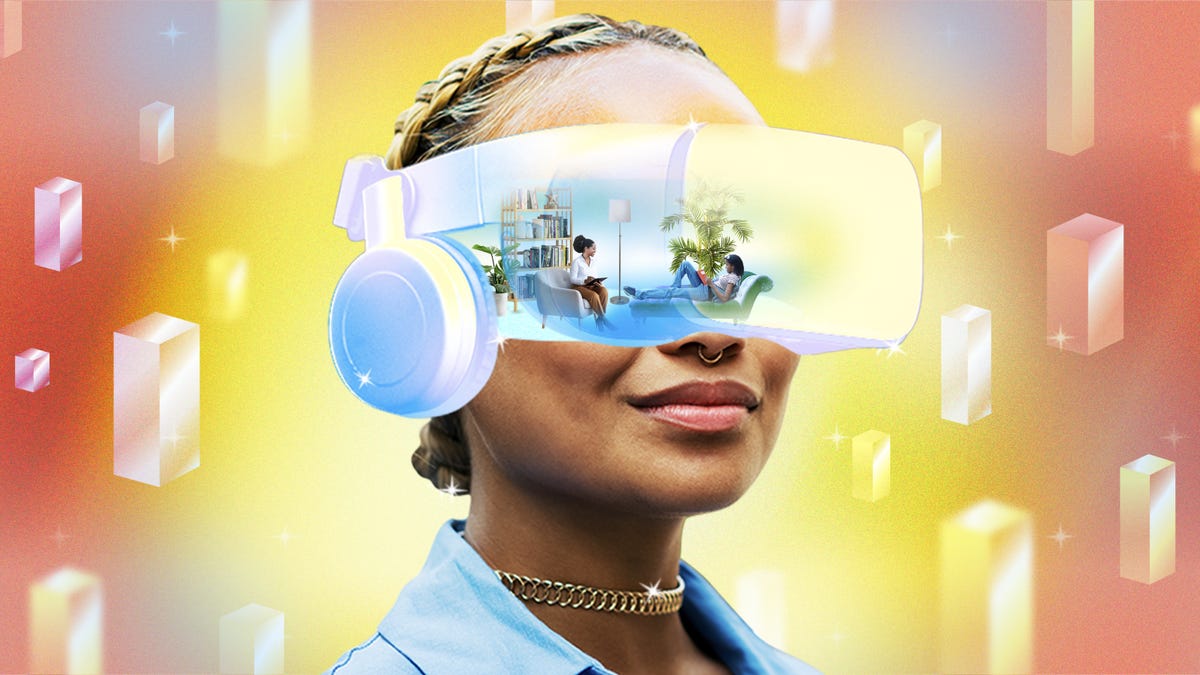
Credit: www.cnet.com
Introduction To VR Therapy
Virtual Reality (VR) is changing how we approach therapy. It offers new ways to help people. VR therapy is now popular in many health fields. This post introduces VR therapy and its benefits.
Emergence Of VR Technology
VR technology began in the 1960s. Early VR systems were large and costly. Over time, they became smaller and cheaper. Today, VR headsets are affordable and easy to use.
Modern VR headsets provide immersive experiences. They transport users to virtual worlds. Users can interact with these worlds in real-time. This makes VR ideal for therapy. Patients can face their fears in a safe place.
Adoption In Mental Health
Mental health professionals now use VR in their practices. VR therapy helps treat anxiety, PTSD, and phobias. Patients wear VR headsets and enter controlled environments. Therapists guide them through these environments.
VR therapy offers several benefits:
- Safe space for exposure therapy
- Controlled and repeatable scenarios
- Engaging and interactive sessions
Studies show VR therapy is effective. It reduces symptoms in many patients. VR therapy is also flexible. Therapists can adjust scenarios to fit patient needs.
| Condition | VR Therapy Benefit |
|---|---|
| Anxiety | Safe exposure to triggers |
| PTSD | Controlled re-experiencing of trauma |
| Phobias | Gradual desensitization |
VR therapy is a growing field. More therapists are adopting it. The future of VR in therapy looks promising.
How VR Headsets Work
Virtual Reality (VR) headsets are transforming therapy. These devices create immersive experiences for users. Let’s dive into how VR headsets work.
Basic Components
VR headsets have several basic components that make them function:
- Display Screen: This is where the visuals appear. It covers the user’s eyes.
- Lenses: These magnify the images on the screen. They also create a 3D effect.
- Sensors: These track head movements. Common sensors include gyroscopes and accelerometers.
- Audio: Built-in speakers or headphones provide sound.
- Input Devices: Controllers or gloves help interact with the virtual world.
Immersive Experience
VR headsets create an immersive experience by:
- Visuals: High-resolution screens show realistic images.
- 3D Depth: Lenses make objects appear three-dimensional.
- Head Tracking: Sensors detect head movement. This changes the view accordingly.
- Spatial Audio: Sounds come from different directions. This makes the environment feel real.
- Haptic Feedback: Controllers vibrate. This simulates touch and enhances immersion.
These elements combine to create a believable virtual world. Users can interact with this world in real-time. This makes VR therapy effective and engaging.
Benefits For Mental Health
Virtual Reality (VR) headsets are revolutionizing mental health therapy. They provide immersive experiences that facilitate better mental well-being. Let’s explore the key benefits of VR headsets for mental health.
Anxiety Reduction
VR headsets offer effective solutions for anxiety reduction. Patients can explore calm environments and practice relaxation techniques. These controlled settings help reduce stress levels and induce a sense of calm.
Therapists use VR to create custom scenarios tailored to individual needs. Exposure therapy through VR can help patients face their fears safely. This leads to a gradual reduction in anxiety symptoms.
PTSD Treatment
For PTSD treatment, VR headsets provide a breakthrough approach. Patients can safely revisit traumatic events in a controlled setting. This helps in desensitizing the traumatic memories.
VR therapy creates simulated environments that mimic real-life scenarios. This helps patients therapeutically process their trauma. Over time, this can significantly reduce PTSD symptoms.
| Benefit | Description |
|---|---|
| Anxiety Reduction | Custom scenarios to reduce stress and induce calm. |
| PTSD Treatment | Simulated environments to desensitize traumatic memories. |
- Immersive VR experiences for mental health.
- Effective in reducing anxiety.
- Breakthrough in PTSD treatment.
- Custom scenarios for anxiety reduction.
- Simulated environments for PTSD therapy.
Popular VR Therapy Applications
Virtual Reality (VR) headsets are changing the world of therapy. They offer new ways to treat various mental health issues. Here, we explore popular VR therapy applications.
Exposure Therapy
VR headsets are great for Exposure Therapy. They create safe virtual environments for patients. These environments help confront fears gradually.
- Fear of Heights: Patients can face their fear safely.
- Social Anxiety: Practice social interactions without real-world pressure.
- PTSD: Relive and process traumatic experiences in a controlled setting.
This method helps reduce anxiety and stress. Patients feel more comfortable facing their fears over time.
Relaxation Techniques
VR headsets also aid in Relaxation Techniques. They transport users to calm and serene environments. These settings help reduce stress and promote relaxation.
| Technique | Description |
|---|---|
| Meditation | Users can meditate in peaceful virtual spaces. |
| Guided Imagery | Relaxing scenarios guide users through stress relief exercises. |
| Breathing Exercises | Virtual prompts help users practice deep breathing. |
These techniques are effective for stress management. Users can practice them anytime, anywhere.
Case Studies And Success Stories: VR Headsets for Therapy
Virtual Reality (VR) headsets are revolutionizing the world of therapy. They offer immersive experiences that aid in treating various conditions. Let’s dive into some case studies and success stories to understand their impact.
Real-life Examples
Here are some compelling real-life examples of VR headsets in therapy:
- PTSD Treatment: Veterans with PTSD have shown significant improvement.
- Phobia Reduction: Patients overcome fears like heights and spiders.
- Pain Management: Chronic pain sufferers report reduced discomfort.
These examples illustrate how VR can change lives. The technology offers targeted and effective treatments.
Patient Testimonials
Patients share their experiences using VR therapy:
“VR therapy helped me manage my anxiety. It’s a game-changer.” – John, 35
“I no longer fear flying. VR made it possible.” – Susan, 28
“Pain is now bearable. Thank you, VR therapy.” – Mike, 42
The testimonials highlight the transformative power of VR in therapy. Many patients find relief and comfort through these sessions.
| Condition | Improvement | Patient Feedback |
|---|---|---|
| PTSD | 70% reduction in symptoms | “Life is better now.” |
| Phobia | 80% success rate | “I feel free.” |
| Pain Management | 60% pain reduction | “Pain is manageable.” |
The table above shows the remarkable improvements in various conditions. Patient feedback further emphasizes the effectiveness of VR therapy.
Challenges And Limitations of VR Headsets for Therapy
VR headsets offer promising potential for therapy, but they come with challenges and limitations. These obstacles affect the effectiveness and accessibility of VR therapy.
Technical Hurdles
Technical issues present significant challenges for VR therapy. The hardware and software must be compatible. Glitches or lags can disrupt therapy sessions.
Headset comfort is crucial but often overlooked. Uncomfortable headsets can distract patients. They may reduce the effectiveness of the therapy session.
High-quality VR experiences require powerful computers. Not everyone has access to such equipment. This limitation can restrict the use of VR therapy.
| Technical Challenge | Impact |
|---|---|
| Hardware Compatibility | Disrupts sessions |
| Headset Comfort | Reduces effectiveness |
| Powerful Computers | Restricts use |
Accessibility Issues
Accessibility is another major challenge in VR therapy. Not everyone can afford VR headsets. The cost can be a barrier for many.
Some patients may face physical limitations. People with certain disabilities might find VR headsets hard to use. This can limit who benefits from VR therapy.
Additionally, there are software accessibility issues. Not all VR content is designed for all users. This can exclude some patients from fully benefiting.
- Cost can be prohibitive
- Physical limitations
- Software accessibility issues
Future Of VR In Therapy
The future of VR in therapy looks promising. Virtual Reality (VR) is transforming mental health treatment. This technology offers immersive experiences that enhance therapeutic interventions.
Technological Advancements
Technological advancements are driving VR therapy forward. High-resolution displays and precise motion tracking make VR experiences more realistic.
Current VR headsets feature:
- High-definition visuals
- Advanced haptic feedback
- Improved spatial audio
These features create immersive environments. They help patients feel present in virtual worlds.
Future VR headsets may include:
- Eye-tracking technology
- Wireless capabilities
- Enhanced AI interactions
Such advancements will improve therapy outcomes. They will also make VR more accessible.
Broader Acceptance
Broader acceptance of VR therapy is growing. More therapists and patients see its benefits.
VR therapy helps treat various conditions, including:
- Anxiety disorders
- Post-traumatic stress disorder (PTSD)
- Phobias
Studies show VR therapy can be as effective as traditional methods. Insurance companies are starting to cover VR therapy sessions. This increases accessibility.
Educational institutions are also incorporating VR into their curriculum. Future therapists will be well-versed in VR technology.
The future of VR in therapy is bright. Technological advancements and broader acceptance are key factors. VR therapy will continue to evolve and improve mental health treatment.
Choosing The Right VR Headsets for Therapy
Virtual Reality (VR) headsets are revolutionizing therapy. They provide immersive experiences that aid in treating various conditions. Choosing the right VR headset is crucial for effective therapy.
Factors To Consider
Several factors influence the choice of a VR headset for therapy. Here are the key considerations:
- Comfort: The headset must be comfortable for long sessions.
- Resolution: Higher resolution offers clearer and more detailed visuals.
- Field of View (FOV): A wider FOV enhances immersion.
- Compatibility: Ensure the headset is compatible with therapy software.
- Price: Consider your budget without compromising quality.
Top Models In The Market
Here are some up-to-date VR headsets commonly used in therapy settings, with their original brand/model names included for context:
| Model (Latest) | Original Brand/Model Name | Resolution (per eye) | Field of View (FOV) | Price (USD) |
|---|---|---|---|---|
| Meta Quest 3 | Oculus Quest 2 | 2064 × 2208 | ~110° | $499 (128GB) / $649 (512GB) |
| HTC Vive XR Elite | Vive Pro → Vive Pro 2 → XR Elite | 1920 × 1920 | ~110° | $1,099 |
| Sony PlayStation VR2 | PlayStation VR | 2000 × 2040 | ~110° | $549 |
| PICO 4 | PICO Neo series | 2160 × 2160 | ~105° | ~$429 |
| HP Reverb G2 Omnicept | HP Reverb G1 | 2160 × 2160 | ~114° | ~$1,250 |
These models offer a blend of comfort, resolution, and compatibility. They are popular choices in the therapy community.

Credit: www.nhbr.com
Frequently Asked Questions About VR Headsets for Therapy
Can VR Be Used For Therapy?
Yes, VR can be used for therapy. It helps treat anxiety, PTSD, and phobias by creating immersive, controlled environments.
Does VR Exposure Therapy Work?
Yes, VR exposure therapy works. It effectively treats anxiety, PTSD, and phobias by immersing patients in controlled virtual environments. Studies show significant improvements in symptoms.
Is Vr Good For Your Mental Health?
Yes, VR can boost mental health. It aids in stress reduction, anxiety management and offers therapeutic experiences. VR provides immersive relaxation and mindfulness sessions.
How Much Does VR Therapy Cost?
VR therapy costs vary widely. Sessions typically range from $50 to $200 per hour. Prices depend on location and provider.
Conclusion
VR headsets are revolutionizing therapy by offering immersive and interactive experiences. They help patients manage anxiety, PTSD, and chronic pain. As technology advances, VR’s role in therapeutic settings will only grow.
Investing in VR for therapy can enhance patient outcomes and transform traditional treatment approaches.
Explore VR therapy today for a brighter future.

A passionate tech blogger and the founder of Best Tech View, a dynamic platform dedicated to all things technology. With a keen interest in the tech, Ahmad strives to provide insightful and engaging content on the latest tech trends, and breakthroughs.

