

VR Headsets for Architecture are transforming how architects imagine, test, and present ideas. What if you could walk through a building before laying a single brick? This shift replaces flat drawings with immersive experiences that feel real and actionable.
VR headsets let architects design spaces at true scale, review details in real time, and fix issues before construction begins. Tools like Meta Quest, HTC Vive, and Varjo headsets support precise visualization, client walkthroughs, and faster approvals.
This article explains how these devices improve design accuracy, reduce costs, and strengthen collaboration. Yet this innovation goes far beyond cool visuals and client demos.
Architects such as Bjarke Ingels openly advocate immersive design to predict how people actually experience space. Ready to see how VR headsets reshape architectural thinking and project outcomes today?
Introduction To VR In Architecture
Virtual Reality (VR) has revolutionized many fields, including architecture. It offers immersive experiences that transform design and visualization. Architects can now create and explore spaces before they are built.
Emergence Of VR Technology
VR technology has seen rapid growth in recent years. Initially developed for gaming, it quickly found applications in other fields. In architecture, VR helps professionals visualize their projects in 3D. This shift has made architectural design more interactive and immersive.
Early VR systems were expensive and complex. Now, affordable VR headsets are available to everyone. This accessibility has increased the use of VR in architecture. Architects can now present their designs in a more engaging way.
Importance In Modern Architecture
VR is vital in modern architecture. It allows architects to create realistic models of their designs. These models help clients understand the final product better.
Here are some key benefits of VR in architecture:
- Enhanced Visualization: Clients can experience the space as if they were inside it.
- Improved Collaboration: Teams can work together more effectively.
- Cost Efficiency: Identifying issues early saves time and money.
- Client Satisfaction: Clients can make informed decisions quickly.
Using VR, architects can also test different design options. This flexibility allows for more creativity and innovation. It ensures the final design meets all requirements.
| Benefit | Description |
|---|---|
| Enhanced Visualization | Experience the space in 3D. |
| Improved Collaboration | Teams work together better. |
| Cost Efficiency | Identify issues early to save money. |
| Client Satisfaction | Clients make informed decisions. |
The use of VR in architecture is continually evolving. As technology advances, its impact on architecture will grow. Architects will find new ways to leverage VR for better designs and experiences.

Credit: plusrender.com
Types Of VR Headsets
Virtual Reality (VR) headsets are transforming architecture. They offer immersive ways to experience designs. There are three main types of VR headsets used in architecture. Each type has unique features and benefits. Below, we explore these types in detail.
Pc-powered Headsets
PC-powered VR headsets connect directly to a high-performance computer. They deliver the best visual quality, precise tracking, and strong performance. These headsets are ideal for complex architectural models, detailed interiors, and real-time rendering with software like Unreal Engine or Twinmotion.
They require a powerful GPU and are mostly used in professional studios.
| Brand | Model | Key Features |
|---|---|---|
| HTC | Vive Pro 2 | Very high resolution, precise room-scale tracking |
| Valve | Index | Smooth motion, accurate controllers, wide field of view |
| Varjo | XR-3 | Ultra-high visual clarity, used in high-end professional work |
Standalone Headsets
Standalone VR headsets work without a PC or external sensors. They have built-in processors and batteries, making them easy to use and highly portable. These headsets are widely used for client walkthroughs, quick design reviews, and on-site presentations.
They strike a strong balance between performance and convenience.
Popular models used in architecture today:
- Meta Quest 3 (current flagship standalone headset)
- HTC Vive Focus 3 (enterprise-focused, higher durability)
- HTC Vive XR Elite (lightweight, mixed reality support)
Smartphone-based Headsets
Smartphone-based headsets are the most affordable. They use a smartphone as a Smartphone-based VR headset, using a phone as the display. While they are affordable, they offer limited tracking and visual quality. Their use in professional architecture has declined sharply in recent years.
Today, they are mostly suitable for simple 360-degree views or early concept demonstrations.
Examples:
- Google Cardboard
- Samsung Gear VR (discontinued and no longer supported)
Most architecture firms have moved away from smartphone VR due to better standalone options.
Key Features For Architects
Virtual Reality (VR) headsets have revolutionized the field of architecture. They allow architects to immerse themselves in their designs. This provides a deeper understanding of space and structure. Below are some key features of VR headsets that benefit architects.
High Resolution Displays
High-resolution displays are crucial for VR headsets. They ensure clear, detailed visuals. Architects need to see every small detail. A higher resolution means better image quality. This allows for precise design evaluations.
Field Of View
The field of view (FOV) is another important feature. A wider FOV offers a more immersive experience. Architects can see more of their design at once. This helps in understanding spatial relationships better. A good FOV is typically between 100 and 120 degrees.
Tracking Accuracy
Tracking accuracy is vital for VR headsets. It ensures the movement is captured accurately. Architects can move around their designs smoothly. This provides a realistic experience. Good tracking accuracy enhances design reviews.
| Feature | Importance |
|---|---|
| High Resolution Displays | Clear, detailed visuals for precise evaluations. |
| Field of View | Wider FOV for better spatial understanding. |
| Tracking Accuracy | Accurate movement capture for realistic experiences. |
These features make VR headsets essential for architects. They enhance the design process and improve overall efficiency.
Benefits In the Design Process
VR headsets are revolutionizing the architectural design process. They offer numerous benefits to architects and designers. Key advantages include improved visualization, enhanced collaboration, and real-time modifications.
Improved Visualization
VR headsets enable architects to create immersive 3D models. These models provide a realistic view of the design. Clients can walk through the space before construction begins. This ensures they understand the design fully.
Traditional blueprints and 2D drawings can be hard to interpret. VR headsets make the design come to life. This visual aid helps in spotting design flaws early. It also enhances the overall client experience.
Enhanced Collaboration
Architects and clients can collaborate more effectively with VR headsets. Virtual meetings are possible even if participants are far apart. Everyone can see the same model in real time.
Teams can discuss changes and ideas instantly. This speeds up the decision-making process. It also reduces the chances of misunderstandings. VR headsets make teamwork smoother and more efficient.
Real-time Modifications
VR headsets allow for real-time modifications. Changes in the design can be made instantly. This helps in testing different design options quickly.
Architects can try out various materials and layouts. Clients can see the changes immediately. This flexibility saves time and money. It ensures the final design meets everyone’s needs.
Applications In Architectural Visualization
VR headsets are transforming the field of architectural visualization. They offer architects and clients a new way to experience spaces. This technology provides immersive, interactive, and engaging experiences.
Virtual Walkthroughs
With VR headsets, architects can create virtual walkthroughs. These allow clients to explore spaces before they are built. Clients can walk through rooms, hallways, and outdoor areas. They can experience the scale and layout of a project.
This helps clients understand the design better. It also reduces misunderstandings and changes during construction. Virtual walkthroughs save time and money.
Interactive Models
VR headsets enable the use of interactive models. Clients can interact with the design elements. They can open doors, turn on lights, and move furniture. This interactivity makes the design process more engaging.
Architects can also make real-time changes. They can adjust designs based on client feedback instantly. This improves communication and satisfaction.
Client Presentations
Using VR headsets for client presentations enhances the experience. Clients can immerse themselves in the design. This makes the presentation more impactful.
Architects can showcase different design options. Clients can compare and choose the best one. This interactive approach helps in making informed decisions.
VR headsets make presentations more memorable and persuasive. They add a wow factor to the client meetings.
Challenges And Limitations
Virtual Reality (VR) headsets are transforming architecture. They allow immersive experiences and detailed visualizations. Yet, they come with challenges and limitations. Understanding these helps in making informed decisions.
Cost Considerations
VR can be a serious investment. Professional-grade headsets and supporting hardware add up quickly. While entry-level options exist, high-end visualization often requires expensive equipment.
Beyond the headset itself, many setups need a powerful computer with a strong graphics card. That raises the total cost, especially for small firms.
| VR Headset | Approximate Cost (USD) |
|---|---|
| Meta Quest 3 | $499 |
| HTC Vive Pro 2 | $799 |
| Varjo XR-3 | $6,495 (enterprise-focused) |
For many firms, the real expense is the full system, not just the headset.
Technical Difficulties
Setting up VR headsets can be complex. They require high technical expertise. Troubleshooting can be time-consuming. Not all software is compatible with VR. This limits its use. Regular updates are needed. They can disrupt workflow.
- Complex setup processes
- Compatibility issues with software
- Frequent need for updates
User Comfort
Extended use of VR headsets can cause discomfort. They can be heavy. This leads to neck strain. Motion sickness is common among users. Eyestrain is another issue. Breaks are essential during use.
- Heavy headsets lead to neck strain
- Motion sickness can occur
- Eyestrain from prolonged use
Future Trends
Virtual reality (VR) headsets for architecture are evolving rapidly. Architects now enjoy immersive experiences like never before. The future holds exciting trends that will reshape the industry.
Integration With AI
AI will transform VR headsets for architecture. AI can automate design tasks. This saves time and reduces errors. Architects will use AI to create better designs. AI can also simulate real-world scenarios accurately. This helps in making informed decisions.
AI will also enhance user experiences. It will make VR headsets smarter and more efficient.
Augmented Reality Enhancements
Augmented Reality (AR) is another trend to watch. AR will blend the virtual and real worlds. Architects can visualize projects in real spaces. AR will make collaboration easier. Teams can work together in real-time. Clients can see changes instantly.
AR will also improve presentations. It will make designs more interactive and engaging.
Advanced Haptic Feedback
Haptic feedback adds another layer of immersion. It provides tactile sensations to users. This makes VR experiences more realistic. Architects can feel textures and materials. Haptic feedback will also enhance design precision.
It will allow for better control and manipulation. This technology will redefine how architects interact with their designs.
Here is a summary of these future trends:
| Trend | Impact |
|---|---|
| Integration with AI | Automation, accuracy, enhanced experiences |
| Augmented Reality Enhancements | Blended worlds, real-time collaboration, interactive presentations |
| Advanced Haptic Feedback | Realistic sensations, precision, better control |
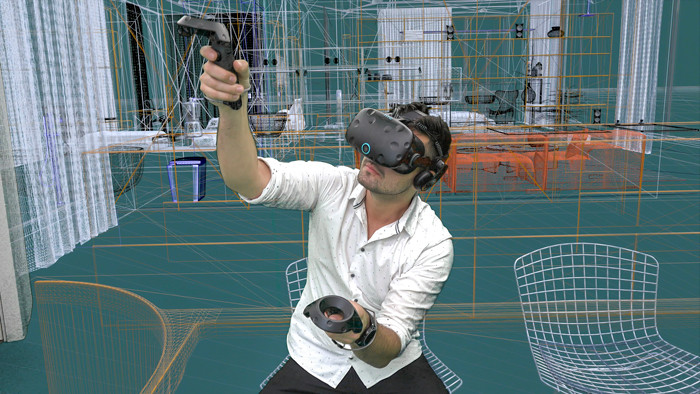
Credit: www.archdaily.com
Frequently Asked Questions
Can You Use VR in Architecture?
Yes, VR can be used in architecture. It allows architects to create immersive, realistic visualizations of designs. This technology helps clients understand spaces better. VR enhances collaboration and reduces design errors.
What Is The Best VR Headset For Rendering?
The best VR headset for rendering is the Valve Index. It offers high resolution, a fast refresh rate, and precise tracking.
What Architecture Firms Are Using VR?
Many architecture firms use VR, including Gensler, Zaha Hadid Architects, and Foster + Partners. They integrate VR for immersive design experiences.
What Is The Future Of VR In Architecture?
The future of VR in architecture is promising. VR enhances design visualization, collaboration, and client presentations. It enables immersive experiences, reducing errors and costs.
Architects can explore spaces before construction, improving decision-making and efficiency. VR technology continues to evolve, offering even more innovative tools and solutions for the industry.
Conclusion
VR headsets have revolutionized architectural design and visualization. They offer immersive experiences and detailed insights. Architects can explore and present projects like never before.
Investing in VR technology can enhance creativity and client satisfaction. Embrace VR headsets to stay ahead in the architectural industry.
The future of architecture is immersive and interactive.

A passionate tech blogger and the founder of Best Tech View, a dynamic platform dedicated to all things technology. With a keen interest in the tech, Ahmad strives to provide insightful and engaging content on the latest tech trends, and breakthroughs.