

Choosing the best studio headphones can make the difference between a muddy mix and a crystal‑clear track. Good monitors are essential, but headphones give you:
- intimate detail for editing and critical listening,
- a second reference to check mixes, and
- freedom to work in untreated rooms or on the move.
This guide covers:
- What makes studio headphones different from consumer models?
- the key features you should look for,
- the most trusted brands and models, and
- recommendations by use‑case and budget.
Whether you are building your first home studio or upgrading a professional rig, this article will help you pick the right pair for serious audio work.
What Are Studio Headphones?
Studio headphones are designed for critical listening tasks such as:
- tracking and recording,
- mixing and mastering,
- podcast and voice‑over work, and
- sound design and post‑production.
Unlike consumer headphones, they aim for:
- a neutral, accurate frequency response,
- minimal coloration or “smiley‑face” EQ, and
- High detail across the spectrum, so you can hear every issue in your audio.
Categories of Studio Headphones
Studio headphones are usually grouped into three main categories.
Closed‑Back Headphones
Closed‑back headphones have sealed earcups that block much of the outside noise and keep click‑tracks or backing tracks from leaking into microphones. They are ideal for:
– tracking vocals and instruments,
– editing in noisy rooms, and
– live sound or broadcast work where isolation is important.
For a deeper dive into isolation, clamp force and best closed designs, see our dedicated guide to Closed‑Back Headphones.
Open‑Back Headphones
Open‑back headphones have vents or grills that let air and sound pass freely through the earcups. This creates a more natural, speaker‑like sound with a wider stereo image. They are best for:
– mixing and mastering in a quiet environment,
– hearing reverb tails and stereo placement clearly, and
– long critical‑listening sessions.
If you are mainly interested in mixing and mastering in a quiet room, our Open‑Back Headphones guide compares the most popular models for critical listening.
Semi‑Open Headphones
Semi‑open designs sit between closed and open. They leak a little more than closed‑backs, but often sound a bit more spacious.
– Useful if you want one pair for both tracking and mixing,
– Not as isolated as true closed‑backs,
– More controlled and less leaky than fully open models.
Most engineers use Closed‑back headphones for tracking and recording (to avoid mic bleed) and switch to Open‑back headphones for mixing and mastering in a quiet room, where soundstage and natural imaging matter more.
Key Features to Look For
1. Frequency Response and Tuning
- Look for headphones marketed as neutral, flat, or reference rather than “extra bass”.
- For mixing and mastering, a balanced midrange and controlled lows are critical.
- Check independent measurements and reviews, not just marketing graphs.
2. Comfort and Fit
You might wear studio headphones for hours. Comfort is not optional.
- Soft, replaceable ear pads (velour or high‑quality leather/pleather)
- Adjustable headband with even weight distribution
- Reasonable clamping force (secure but not painful)
- Ears should not get too hot during long sessions
3. Build Quality and Replaceable Parts
Studio work is hard on gear. Look for:
- Solid hinges and yokes (metal or reinforced plastic)
- Detachable cables (straight or coiled)
- Availability of spare pads, cables, and headbands
Models with replaceable parts often last 5–10+ years with normal care.
4. Impedance and Sensitivity
These specs determine how easy headphones are to drive.
- Low impedance (under ~50 Ω):
- Easier to power from interfaces, laptops, and mobile devices
- Medium (50–100 Ω) and high (100+ Ω):
- Often offer better control and dynamics, but may need a dedicated amp
For a typical USB interface or mixer, 32–80 Ω is usually a safe range unless you know you want high‑impedance cans with a headphone amp.
5. Cable Types and Connectivity
- Detachable vs fixed cable
- Straight vs coiled (coiled is useful when you move around a lot)
- 3.5 mm plug with 1/4″ adapter covers most studio gear
- Balanced cables (XLR/4‑pin) are sometimes used with high‑end amps for extra noise immunity
Critical Listening and Comfort
Critical listening is impossible if your headphones hurt after 30 minutes. Comfort is not a luxury in the studio; it is part of the tool.
– Soft, breathable pads and a well‑balanced headband let you focus on details instead of pressure points.
– A stable, comfortable fit helps you keep the headphones positioned correctly, so the stereo image and frequency balance remain consistent.
– Lightweight designs reduce neck and jaw fatigue during long editing or mastering sessions.
If two models sound similar but one is clearly more comfortable, the more comfortable pair is usually the better long‑term choice for real studio work.
Why Studio Headphones Matter in Mixing and Mastering
Even in rooms with good monitors, studio headphones are critical. They:
– reveal clicks, noise and small edits that speakers can miss,
– let you work at night or in untreated rooms, and
– give you a second, very detailed reference point for balances and EQ.
Headphones will not replace monitors, but without a reliable pair, you are almost certainly missing problems that listeners will later hear on earbuds and laptops.
For more perspective on when and how to mix on headphones, Sound On Sound article on mixing on headphones is well worth reading.
Best Studio Headphone Brands (Trusted by Pros)
Below are some of the most respected studio headphone brands and what they are known for. The examples are not the only good models they make, but they are strong starting points.
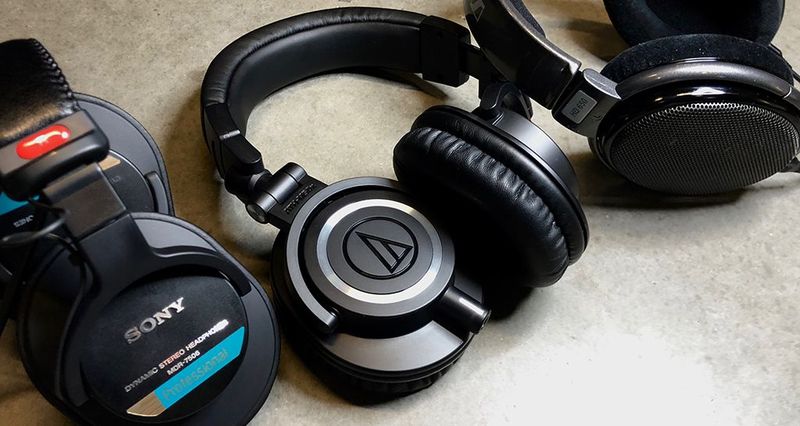
Audio‑Technica
The ATH‑M series, especially the ATH‑M50x, has become a project‑studio staple.
- Why they stand out:
- Affordable, rugged, and easy to drive
- Closed‑back isolation for tracking and everyday monitoring
- Who they’re for:
- Home studios, podcasters, YouTubers, and mobile producers who want durability and punchy, reliable sound
Sennheiser
Sennheiser’s open‑back HD line is legendary for mixing and mastering.
- Notable models: HD 600, HD 650, HD 660S2
- Why they stand out:
- Natural midrange, honest tonality, and great comfort
- Who they’re for:
- Engineers and audiophiles who want a neutral reference for detailed mix work
Beyerdynamic
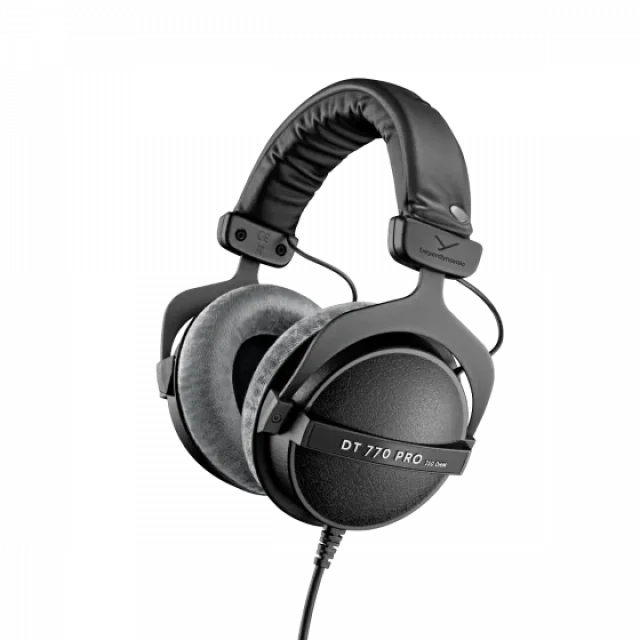
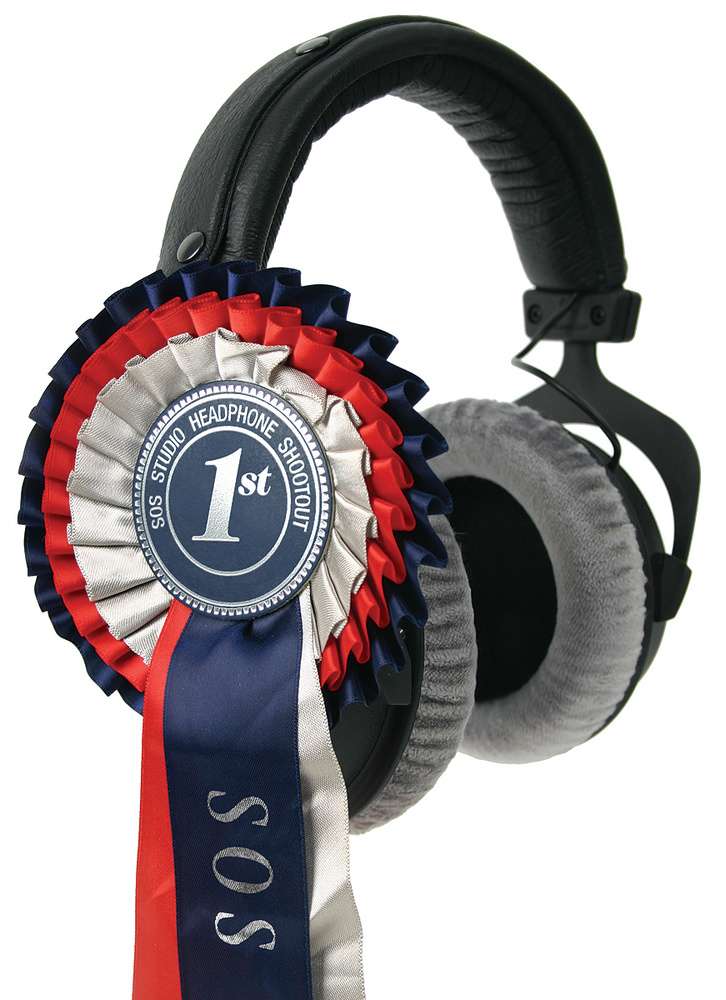
German‑made and nearly indestructible, Beyerdynamic’s DT series is everywhere.
- Notable models: DT 770 Pro (closed), DT 880 Pro (semi‑open), DT 990 Pro (open)
and newer DT 700 Pro X / DT 900 Pro X - Why they stand out:
- Legendary comfort, built like a tank, and lots of replaceable parts
- Who they’re for:
- Professionals who spend long hours with headphones on and want something that will last
AKG
AKG’s K‑series is well‑known for its wide soundstage and airy treble.
- Popular for mixing: AKG K701, K702, K712 Pro
- Why they stand out:
- Spacious imaging and lightweight, good for hearing reverb tails and stereo placement
- Who they’re for:
- Producers and mixing engineers who value an open, detailed sound
Shure
Best known for microphones, Shure also makes excellent studio headphones.
- Notable models: SRH840A, SRH1540
- Why they stand out:
- Superb build quality and a slightly more “musical” tuning that is still accurate enough for work
- Who they’re for:
- Users who want reliable, comfortable headphones with a touch of warmth
High‑End Specialists: Focal, Audeze, Neumann, and Others
For top‑tier mastering and reference work:
- Focal: Clear Mg Professional, Listen Professional
- Audeze: LCD‑X (planar magnetic)
- Neumann: NDH 30 (open‑back), NDH 20 (closed‑back)
Why do they stand out
- Advanced driver technology, exceptional resolution, and tight quality control.
- Built for engineers who need to hear every micro‑detail in a mix.
Who they’re for
- Mastering engineers, high‑end mix rooms, and audiophiles who are willing to invest heavily in reference‑grade gear.
Credit: equipboard.com
Best Studio Headphones by Use‑Case
There is no single “best” studio headphone. The right choice depends on how you work.
Best for Mixing (Open‑Back)
Sennheiser HD 650 / HD 660S2
- Natural midrange, smooth highs, and a non‑fatiguing sound signature
- Comfortable enough for long mix sessions
- HD 660S2 adds a bit more low‑end extension while keeping the classic HD 650 character
Alternatives
- AKG K712 Pro – airy, precise, wide soundstage
- Neumann NDH 30 – ultra‑neutral reference for professional studios
Best for Mastering (High‑End Open‑Back)
Focal Clear Mg Professional
- Excellent transient response and dynamic range
- Highly resolving without sounding sharp
- Very revealing of micro‑details and small EQ moves
Alternatives
- Audeze LCD‑X – planar accuracy with rich, controlled low‑end
- HiFiMAN Arya‑class headphones – wide staging and fine detail for those who like planar designs
Best for Tracking and Recording (Closed‑Back)
Beyerdynamic DT 770 Pro (80 Ω or 250 Ω)
- Strong isolation to prevent click‑track bleed into microphones
- Comfortable velour pads and rugged construction
- A workhorse in studios around the world
Alternatives
- Audio‑Technica ATH‑M70x – more neutral, robust build
- Sony MDR‑7506 – classic choice in broadcast, film and location recording
Best for Podcasting and Voice Work
Audio‑Technica ATH‑M50x / ATH‑M50xBT2
- Clear, punchy sound that flatters the human voice
- Easy to drive from interfaces, recorders, and laptops
- Wired mode for production, wireless for everyday use
Alternatives
- Shure SRH440A – balanced tuning ideal for spoken word
- Beyerdynamic DT 240 Pro – compact and accurate for mobile setups
Best for Live Sound Engineers and DJs
Shure SRH840A
- Detailed monitoring in noisy environments
- Rugged build suitable for touring
- Closed‑back design for precise channel checks
Alternatives
- Sennheiser HD 25 – iconic DJ and live sound headphone with superb isolation
- Beyerdynamic DT 700 Pro X – modern comfort and analytical performance
Best All‑Round Workhorse
Sony MDR‑7506
- Lightweight, durable, and affordable
- Neutral enough to trust for editing, VO work, and rough mixes
- Folds up small and is easy to carry
Bonus Pick
- Beyerdynamic DT 900 Pro X – excellent open‑back that can handle mixing, production, and occasional mastering in one package.
Best Studio Headphones by Budget
Under $100 – Entry‑Level
Good for beginners and tight budgets:
- Sony MDR‑7506 (often around this range on sale)
- Audio‑Technica ATH‑M20x / M30x
- AKG K240 Studio
Expect decent detail, but not full reference accuracy.
$100–$300 – Mid‑Range Sweet Spot
Best value for most home and project studios:
- Sennheiser HD 560S
- AKG K371 (great closed‑back tuning)
- Beyerdynamic DT 770 Pro / DT 880 Pro / DT 990 Pro
- Audio‑Technica ATH‑M50x
These offer a serious step up in both sound and build quality.
$300–$600 – Professional‑Grade
For full‑time professionals:
- Beyerdynamic DT 1990 Pro (open‑back)
- Shure SRH1540 (closed‑back)
- Neumann NDH 20 / NDH 30
You get excellent detail, comfort, and serviceable parts.
Above $600 – High‑End / Reference
For mastering and critical reference:
- Focal Clear Mg Professional
- Audeze LCD‑X
- Other top‑tier Focal, Audeze, Neumann, or similar offerings
These are serious investments, but they can reveal issues that cheaper headphones may hide.
Comparison of Popular Studio Headphone Pairs
Some models are often compared directly. Here is a quick overview of how they differ:
| Models Compared | Main Differences |
| Sennheiser HD 600 vs 650 | HD 600 is slightly more neutral; HD 650 adds a touch of warmth and smoother highs. |
| AKG K701 vs K712 Pro | K701 is brighter and leaner; K712 Pro offers a bit more low‑end weight and comfort. |
| ATH‑M50x vs DT 770 Pro | M50x is more portable and versatile; DT 770 Pro has stronger isolation and comfort |
Use these as starting points; always audition if possible, because fit and personal taste matter a lot.
Credit: www.usnews.com
Studio Headphones vs Consumer Headphones
Audio Fidelity
- Studio headphones:
- Aim for flat or neutral tuning
- Reveal flaws, noise, and bad edits
- Let you make precise mixing and mastering decisions
- Consumer headphones:
- Often boost bass and treble for excitement
- Great for casual listening, not ideal for critical work
Noise Isolation
- Studio headphones (especially closed‑backs) are built to keep outside noise out and click‑tracks in.
- Consumer headphones may have ANC or isolation, but tuning is usually not studio‑neutral.
Comfort for Long Sessions
Both types can be comfortable, but studio designs often prioritize:
- long‑term wear,
- replaceable parts, and
- ergonomics for people who work in them all day.
Common Mistakes When Choosing Studio Headphones
Avoid these pitfalls:
- Ignoring impedance: pairing high‑impedance headphones with a weak output can sound thin and quiet.
- Prioritizing looks over sound: flashy designs do not guarantee accuracy.
- Skipping comfort: if they hurt after 30 minutes, you will avoid using them.
- Assuming one pair does everything perfectly: different jobs (tracking vs mastering) often need different tools.
Wireless Studio Headphones
Wireless studio headphones are convenient for casual listening, checking mixes on the couch, or moving around the room without being tied to the desk. Modern Bluetooth codecs can sound surprisingly good, especially for reference listening.
However, wireless still introduces:
– extra latency,
– battery life limits, and
– another point of failure (drop‑outs, pairing issues).
For these reasons, most professionals still rely on wired headphones when tracking, mixing, or mastering.
If you often work in noisy environments and are considering active noise cancelling, make sure to understand the trade‑offs. Our article on the Magic of Noise‑Canceling Headphones explains how ANC works and when it helps or hurts critical listening.
Wireless vs Wired: A Professional Judgment
– **Use wired** when you need absolute reliability, lowest latency, and the full quality your interface or headphone amp can deliver.
– **Use wireless** for casual checking, travel, and enjoying your finished work.
If you buy a pair that offers both wired and wireless modes, treat Bluetooth as a bonus, not the main way you monitor your mixes.
For more details on latency, codecs, and comfort when cutting the cord, you can also read our separate guide to Wireless Headphones.
Connectivity and Compatibility
Impedance and Amplification
- Low‑impedance models are flexible for laptops, phones, and interfaces.
- High‑impedance (150–300 Ω) models usually shine with a dedicated headphone amp.
- Always check your interface or mixer specs to ensure it can drive your chosen headphones properly.
If you need a deeper technical explanation of impedance, sensitivity and how to match headphones to interfaces and amps, check out the official headphone‑impedance guides from manufacturers like Shure or Sennheiser.
Interface Options: 1/4″, 3.5 mm, XLR, and USB
- 1/4″ (6.35 mm) TRS – standard on audio interfaces, mixers, and amps
- 3.5 mm – common on laptops and portable devices (use adapter)
- USB / XLR headsets – more niche; useful for specific workflows but less common for reference listening
For most studio setups, a headphone with a 3.5 mm cable and 1/4″ screw‑on adapter is the most practical.
| Connection Type | Use Case |
|---|---|
| XLR connectors | Professional studios, balanced audio |
| USB connections | Direct computer interface, easy setup |
| ¼-inch jacks | Common for amplifiers and instruments |
Choose headphones with the right adapter to connect to all your audio devices.
Many modern studio headphones and wireless adapters also rely on Bluetooth when used away from the desk. For a technical look at how Bluetooth audio works, see our Bluetooth Technology explainer.
Care and Maintenance: Making Them Last
A good pair of studio headphones is an investment. Take care of them:
- Wipe pads and headband with a soft, slightly damp cloth after long sessions
- Avoid harsh cleaners that can damage leather or foam
- Store in a cool, dry place away from direct sunlight
- Use a case or stand instead of tossing them on the desk
- Replace pads and cables when they show signs of wear
With basic maintenance, many professional models will last a decade or more.
Credit: www.soundonsound.com
Frequently Asked Questions On Best Studio Headphones
Are studio headphones better than studio monitors?
Not better, just different. Headphones are great for detailed checks and working in untreated rooms. Monitors present a more natural soundstage and show how mixes interact with your room. The best results come from using both.
Can I use studio headphones for casual listening?
Yes. Many people enjoy the clean, honest sound. Just remember, they may feel less “exciting” than consumer headphones that boost bass and treble.
Do I need an amp for high‑impedance studio headphones?
Often, yes. High‑impedance models perform best when driven by a capable headphone amplifier or a strong interface output.
What’s a good open‑back headphone for home mixing?
The Sennheiser HD 600/650/660S2, AKG K712 Pro and Beyerdynamic DT 900 Pro X are all popular choices for home studios.
How long do professional studio headphones usually last?
With proper care and occasional pad/cable replacements, many can last 5–10 years or more.
Conclusion
The best studio headphones for you depend on:
- the kind of work you do (tracking, mixing, mastering, podcasting),
- your room and noise level,
- your budget, and
- how long you wear them at a time.
Focus on sound accuracy, comfort, durability, and replaceable parts.
If you choose wisely, a good pair of studio headphones will:
- help you catch problems faster,
- make your mixes translate better, and
- support you through thousands of hours of creative work.
Treat them as essential tools, not accessories – your next great mix may depend on what you hear through them.

A passionate tech blogger and the founder of Best Tech View, a dynamic platform dedicated to all things technology. With a keen interest in the tech, Ahmad strives to provide insightful and engaging content on the latest tech trends, and breakthroughs.