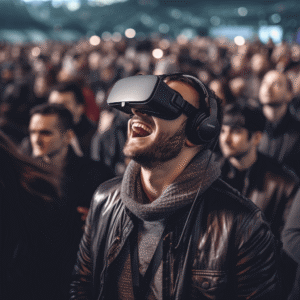
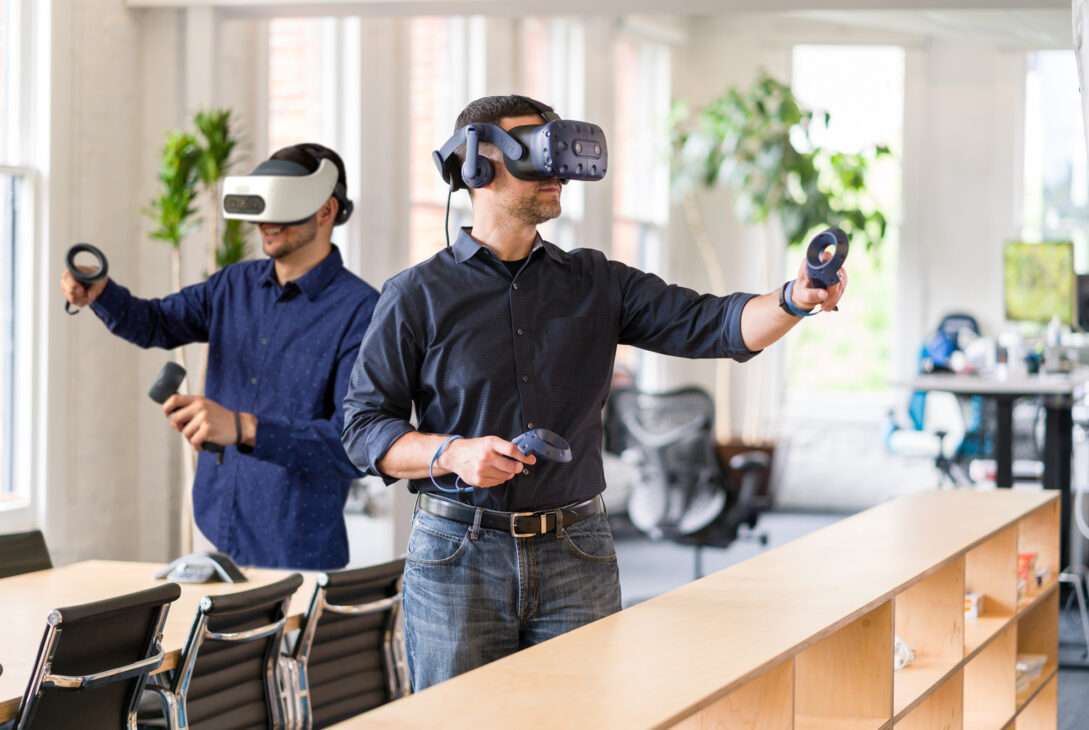
VR headsets for business enhance productivity and improve training outcomes. They offer immersive experiences for various professional applications.
Virtual Reality (VR) headsets have revolutionized the business landscape. They provide immersive experiences that enhance training, remote collaboration, and product design.
VR headsets allow employees to engage in realistic simulations, improving their skills and decision-making abilities. Businesses use VR to conduct virtual meetings, eliminating travel costs and saving time.
VR also helps in creating virtual prototypes, speeding up the design and development process. Industries like healthcare, real estate, and manufacturing benefit significantly from VR technology.
With VR headsets, companies can offer unique customer experiences, such as virtual tours and interactive product demonstrations. Investing in VR technology can lead to increased efficiency, cost savings, and better overall performance.
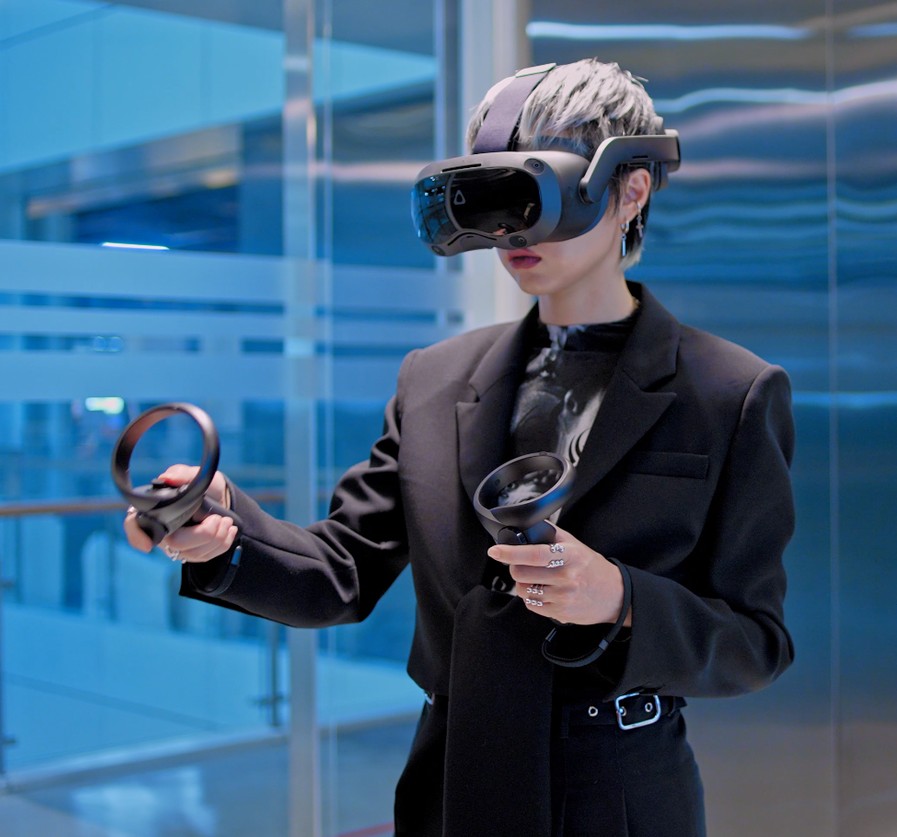
Credit: www.vive.com
Introduction To VR In Business
Virtual Reality (VR) is changing the way businesses operate. By integrating VR headsets, companies can enhance productivity, training, and collaboration. This technology provides immersive experiences that traditional methods cannot match.
Let’s explore how VR is shaping modern workplaces.
What Is VR?
VR stands for Virtual Reality. It creates a simulated environment using technology. Users wear a headset to experience this digital world. VR headsets include sensors and screens. These devices track movements and display 3D visuals. The experience feels real and immersive.
Importance In Modern Workplaces
VR is becoming essential in today’s workplaces. Companies use VR for various purposes. Here are some key benefits:
- Training: Employees can practice skills in a safe, controlled environment.
- Collaboration: Teams can meet in virtual spaces, no matter where they are.
- Product Development: Designers can create and test prototypes in VR.
- Customer Engagement: Businesses can offer virtual tours and demos.
VR headsets make these activities possible. They provide a level of interaction that traditional tools can’t match.
| Business Function | VR Application |
|---|---|
| Training | Simulated scenarios for practice |
| Collaboration | Virtual meetings and workspaces |
| Product Development | 3D modeling and testing |
| Customer Engagement | Virtual tours and product demos |
Types of VR Headsets for Business Use
Standalone Headsets
These headsets, like the Meta Quest 3 and Pico 4 Enterprise, don’t need a computer. They’re all-in-one, wireless, and easy to deploy—perfect for training rooms or remote teams.
Tethered Headsets
Connected to a PC or workstation, tethered devices like the HTC Vive Pro 2 offer greater graphics and processing power. Ideal for design, simulation, and enterprise-grade applications.
Mixed Reality Devices
Headsets like the Apple Vision Pro and Varjo XR-4 blend real and virtual environments. Great for hands-on workflows like architecture, surgery planning, or augmented collaboration.
Enhancing Collaboration
In the modern business world, VR headsets are transforming collaboration. These devices help teams communicate better and work together more efficiently. Below, we explore how VR headsets enhance collaboration through virtual meetings and remote team interaction.
Virtual Meetings
Virtual meetings with VR headsets are like face-to-face meetings. Team members can see each other in a virtual space. This makes communication feel more natural. It also helps people understand each other better. Here are some benefits:
- Enhanced Engagement: Everyone feels present and focused.
- Improved Understanding: Body language and facial expressions are visible.
- Effective Brainstorming: Teams can use virtual whiteboards and tools.
Remote Team Interaction
Remote teams often struggle with feeling disconnected. VR headsets can solve this problem. They create a shared space where team members can interact. This helps build stronger relationships. Benefits include:
- Increased Collaboration: Teams can work on projects together in real-time.
- Social Interaction: Virtual coffee breaks and team-building activities.
- Access to Resources: Teams can access virtual files and documents easily.
VR headsets are revolutionizing how businesses operate. They make collaboration easier and more effective.
Training And Development
Virtual Reality (VR) headsets offer an immersive way to train employees. They create realistic simulations for better learning experiences. This technology is transforming how businesses handle training and development.
Employee Onboarding
Employee onboarding becomes more engaging with VR headsets. New hires can explore their workplace virtually. They can learn safety protocols and procedures in a simulated environment. This reduces the need for physical tours and enhances understanding.
VR headsets also help in introducing company culture. New employees can experience real-life scenarios. They can interact with virtual colleagues and understand their roles better. This makes the onboarding process faster and more efficient.
Skill Development
Skill development is crucial for business growth. VR headsets provide a hands-on learning experience. Employees can practice new skills in a risk-free virtual setting. They can repeat tasks until they master them.
For technical skills, VR offers detailed simulations. Employees can learn complex procedures step-by-step. This reduces mistakes in real-world applications. For soft skills, VR provides interactive scenarios. Employees can practice communication and leadership skills in a controlled environment.
| Benefits of VR in Training |
|---|
| Improves retention and recall |
| Provides safe learning environments |
| Enhances engagement and motivation |
| Reduces training costs over time |
Here are some key advantages of using VR headsets for training:
- Realistic simulations for practical learning
- Enhanced employee engagement
- Safe environment for practicing skills
- Choose a VR headset that suits your needs
- Develop or purchase VR training modules
- Implement and monitor the training program
Incorporating VR headsets in training and development helps businesses stay ahead. It ensures employees are well-prepared and skilled for their roles.
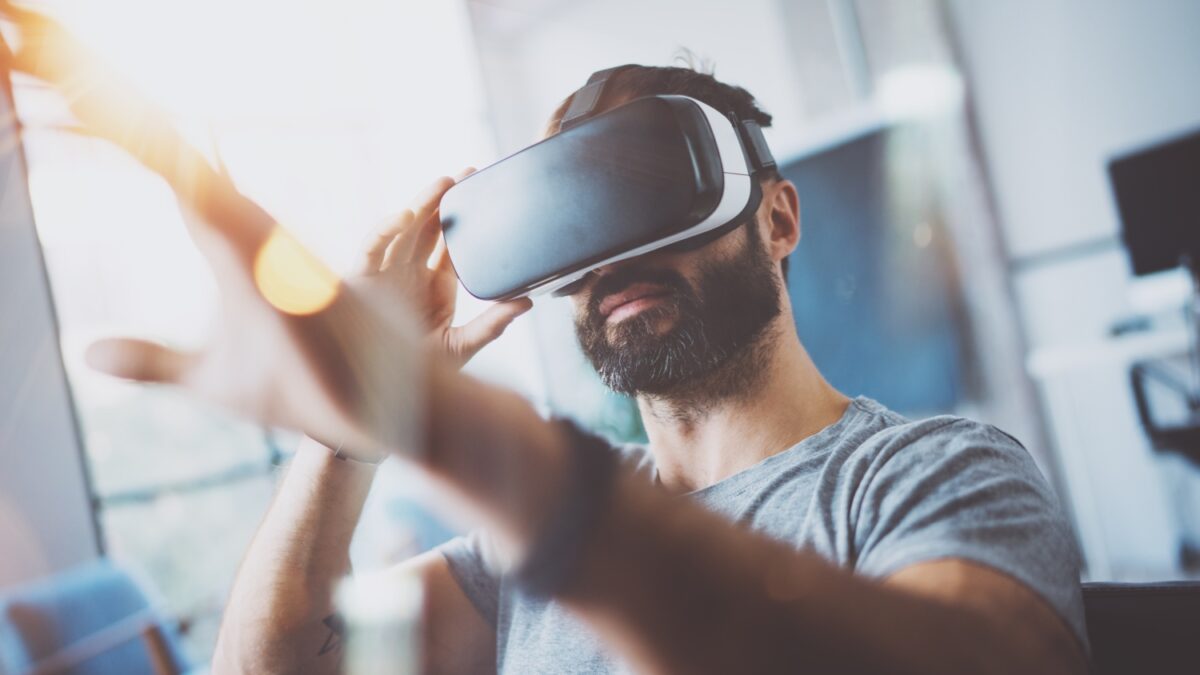
Credit: www.techradar.com
Design And Prototyping
Virtual Reality (VR) headsets are transforming the way businesses approach design and prototyping. These advanced tools enable companies to create and test virtual models before physical production. This process saves time, reduces costs, and enhances creativity.
Virtual Models
VR headsets allow designers to build virtual models of products. These models can be viewed and manipulated in a 3D space. Designers can see every angle, detail, and feature of the model. This helps in identifying any design flaws early on.
Virtual models make it easier to make changes quickly. The ability to adjust designs in real-time improves the efficiency of the prototyping process. This leads to better final products and happier customers.
Interactive Design Processes
The interactive nature of VR headsets enhances the design process. Designers can interact with their models in a way that is not possible on a 2D screen. This interaction provides a deeper understanding of how the product will function in real life.
Teams can collaborate more effectively using VR headsets. Multiple users can share the same virtual space and work on the same model. This collaborative environment fosters creativity and innovation.
| Aspect | Traditional Design | VR Design |
|---|---|---|
| View | 2D | 3D |
| Changes | Slow | Quick |
| Collaboration | Limited | Enhanced |
VR headsets bring a new dimension to design and prototyping. They create an immersive experience that enhances creativity and efficiency. Businesses can develop better products faster and with fewer resources.
Boosting Creativity
Virtual Reality (VR) headsets are revolutionizing the business world. They unlock new levels of creativity. By immersing users in a virtual environment, VR can spark fresh ideas. This technology allows businesses to explore innovative solutions.
Let’s dive into how VR headsets can boost creativity in the workplace.
Immersive Brainstorming
Traditional brainstorming sessions often face limitations. They are confined to physical spaces and usual tools. VR headsets offer a different experience. They transport teams to virtual rooms. These rooms can be designed to inspire creativity.
Imagine brainstorming on a virtual beach or in outer space. These settings can help break mental blocks. They can stimulate new perspectives and ideas.
Benefits of Immersive Brainstorming:
- Enhanced focus and engagement
- Reduced distractions
- Improved team collaboration
- Creative freedom
Innovative Solutions
Finding innovative solutions often requires thinking outside the box. VR headsets can facilitate this process. They provide a safe space to experiment. Businesses can simulate different scenarios without real-world consequences.
This capability is crucial for product development. Teams can visualize and modify designs in real-time. They can test different features and functionalities.
Advantages of VR for Innovative Solutions:
- Immediate feedback on ideas
- Cost-effective prototyping
- Enhanced problem-solving
- Faster decision-making
VR headsets also enable virtual meetings. They bring remote teams together in a shared space. This fosters a sense of unity and collaboration.
| Feature | Benefit |
|---|---|
| Immersive Environments | Sparks creativity |
| Real-Time Collaboration | Improves teamwork |
| Safe Experimentation | Encourages innovation |
Real Estate And Construction
Virtual Reality (VR) headsets are transforming the real estate and construction industries. These technologies bring new opportunities for both sectors. Businesses can now offer virtual tours, visualize projects, and improve customer experience.
Virtual Tours
VR headsets allow potential buyers to take virtual tours of properties. They can explore homes or commercial spaces from anywhere in the world. This saves time and money for both buyers and real estate agents.
Real estate agents can showcase multiple properties in one meeting. Buyers can make informed decisions faster. This enhances the overall customer experience.
Here are some key benefits of virtual tours:
- Enhanced property viewings
- Increased engagement with buyers
- Time-saving for all parties
- Global reach for showcasing properties
Project Visualization
In construction, VR headsets help in project visualization. Architects and engineers can create virtual models of buildings. They can walk through these models to identify potential issues early.
This technology reduces errors and saves costs. Clients can also visualize the final product before construction begins. This improves client satisfaction and project approval rates.
Here are some ways VR helps in project visualization:
- Accurate 3D models
- Early detection of design flaws
- Client involvement in the design process
- Better communication among project teams
Real estate and construction sectors benefit greatly from VR headsets. These tools streamline processes, enhance customer experience, and improve project outcomes.
Healthcare Applications
Virtual Reality (VR) headsets are transforming various industries. Healthcare is one of the most significant beneficiaries. These advanced devices provide immersive experiences. They are revolutionizing medical training, patient consultations, and more. Below are the key applications in healthcare.
Medical Training
VR headsets offer realistic simulations for medical training. Students can practice surgeries without real-life risks. This technology helps in mastering complex procedures. It improves confidence and skill levels among trainees.
- Simulated surgeries
- Emergency response training
- Anatomy exploration
Institutions can integrate VR in their curriculum. It ensures students gain hands-on experience. This approach leads to better-prepared healthcare professionals.
Patient Consultations
VR headsets enhance patient consultations. Doctors can explain conditions using 3D visuals. It makes complex information easier to understand.
| Feature | Benefit |
|---|---|
| 3D Visuals | Improved patient comprehension |
| Interactive Models | Enhanced doctor-patient communication |
Patients can view their treatment plans in VR. It helps them feel more involved in their healthcare journey. They can ask better questions and make informed decisions.
Best VR Headsets for Business in 2025
Meta Quest for Business
Affordable, wireless, and packed with apps for meetings, training, and presentations. Meta’s enterprise platform also includes device management and support tools.
HTC Vive Focus 3
A high-resolution standalone headset designed for productivity. Excellent for training, design, and VR conferencing with enterprise-level encryption.
Apple Vision Pro
A premium device blending virtual and physical environments with crystal-clear visuals and intuitive hand controls. Ideal for C-suite presentations and creative workflows.
Pico 4 Enterprise
Popular in Europe and Asia, the Pico 4 Enterprise is lightweight, business-friendly, and customizable. Great for education, onboarding, and interactive demos.
Varjo XR-4
Top-tier mixed reality device with human-eye resolution and built-in eye tracking. Designed for medical simulation, engineering, and high-stakes training.
Challenges And Considerations
Virtual Reality (VR) headsets offer many benefits for businesses. Yet, there are several challenges and considerations to keep in mind. These challenges can impact the successful adoption of VR technology in a corporate setting.
Cost And Investment
The initial cost of VR headsets can be quite high. Businesses need to budget for this significant expense. The cost is not just for the headsets. Companies must also consider the cost of compatible hardware and software.
Here is a basic breakdown of potential costs:
| Item | Estimated Cost |
|---|---|
| VR Headset | $300 – $1,500 |
| High-performance Computer | $1,000 – $3,000 |
| Specialized Software | $500 – $2,000 |
These costs add up quickly. Companies must ensure they have the budget for both initial and ongoing expenses.
User Adoption
Adopting new technology can be challenging. Employees may resist using VR headsets. They might find the technology intimidating or unnecessary.
To ensure smooth adoption, consider these steps:
- Training Programs: Offer comprehensive training sessions.
- User-Friendly Interface: Choose VR systems with intuitive controls.
- Ongoing Support: Provide continuous technical support.
- Feedback Mechanism: Allow employees to share their concerns.
Effective training and support can ease the transition. This will help employees feel comfortable and confident using VR headsets.
Future Of VR In Business
The future of Virtual Reality (VR) in business looks promising. VR is transforming many industries, offering new ways to interact, train, and sell. Businesses are embracing VR to stay competitive and innovative.
Let’s explore how emerging technologies and long-term benefits shape the future of VR in business.
Emerging Technologies
Many new technologies are enhancing VR. These advancements make VR more powerful and useful.
- Artificial Intelligence (AI): AI improves VR experiences by making them smarter and more interactive.
- 5G Connectivity: Faster internet speeds allow for smoother and more immersive VR experiences.
- Advanced Graphics: Better graphics make VR environments look more realistic.
These technologies are vital. They make VR more practical for business applications. Companies can now use VR for training, remote collaboration, and product development.
Long-term Benefits
VR offers many long-term benefits for businesses. These benefits can lead to higher profits and better customer satisfaction.
- Improved Training: VR provides a safe space for employees to learn and practice skills.
- Cost Savings: Virtual meetings and training sessions reduce travel costs.
- Enhanced Customer Experience: VR allows customers to try products before buying them.
These advantages make VR an excellent investment. Businesses that adopt VR early will likely see significant returns. VR is not just a trend; it is a game-changer for many industries.
| Technology | Benefit |
|---|---|
| AI | Smarter VR experiences |
| 5G | Smoother and immersive VR |
| Advanced Graphics | More realistic environments |
Frequently Asked Questions
Can VR Be Used For Business?
Yes, VR can be used for business. It enhances training, virtual meetings, product demos, and customer experiences.
Can I Use A VR Headset For Work?
Yes, you can use a VR headset for work. It enhances productivity, offers immersive experiences, and supports virtual meetings.
What Are The Cons Of VR In Business?
VR in business can be expensive and requires significant investment. It may also cause motion sickness for some users. Training staff on VR technology can be time-consuming. Additionally, VR systems can have technical issues and limitations.
How Much Does Meta Quest For Business Cost?
Meta Quest for business costs $799. This includes a one-year subscription to the business services platform.
Conclusion
VR headsets are transforming business operations, offering immersive training and collaboration. Companies can enhance productivity and communication. Investing in VR technology can lead to significant competitive advantages.
Stay ahead by integrating VR solutions into your business strategy. Embrace the future of work with VR headsets and unlock new potential.

A passionate tech blogger and the founder of Best Tech View, a dynamic platform dedicated to all things technology. With a keen interest in the tech, Ahmad strives to provide insightful and engaging content on the latest tech trends, and breakthroughs.