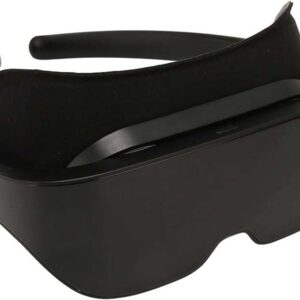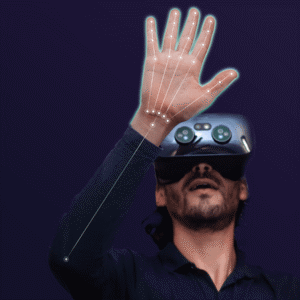

VR Headsets for Healthcare are changing the way doctors treat patients and how patients experience care. Can a headset really help reduce pain, treat phobias, or train surgeons more effectively? The answer is already unfolding in hospitals, clinics, and research labs worldwide.
From surgical simulations to pain management and even physical rehabilitation, VR is making healthcare more effective and engaging. Johns Hopkins Medicine has used VR for surgical planning, while Stanford researchers have tested it for anxiety therapy.
Hospitals in the US and Europe are also adopting VR-based tools to improve recovery and patient outcomes. But these examples only scratch the surface of what VR can do for medicine.
Experts like Dr. Brennan Spiegel, a pioneer in digital health at Cedars-Sinai, believe VR will soon become as common as prescription drugs in treatment plans. So let’s dive deeper into how VR headsets are transforming healthcare and shaping the future of medicine.
Introduction To VR In Healthcare
Virtual Reality (VR) is transforming healthcare. It offers new ways to treat patients. This blog explores how VR is used in healthcare.
Emergence Of VR Technology
VR technology has evolved rapidly. It started as a gaming tool. Now, VR is a vital part of many industries. Healthcare is one such industry.
VR provides immersive experiences. These experiences help in various medical fields. Surgeons can practice complex procedures. Patients can manage pain and anxiety.
VR is also affordable now. This makes it accessible to more healthcare providers. It improves patient care and medical training.
Initial Use Cases
The first use of VR in healthcare was for training. Medical students used VR for surgical simulations. This reduced the need for cadavers. It also improved surgical skills.
VR is also used for pain management. Patients wear VR headsets to distract from pain. This is especially helpful for children and chronic pain patients.
Another use case is in mental health. VR helps treat conditions like PTSD. Patients are exposed to controlled environments. This helps them confront and manage their fears.
VR is also used for physical therapy. Patients perform exercises in a virtual environment. This makes therapy more engaging and effective.
Here is a summary of initial VR use cases in healthcare:
| Use Case | Benefit |
|---|---|
| Medical Training | Improves skills, reduces cadaver use |
| Pain Management | Distracts from pain, helpful for children |
| Mental Health | Treats PTSD, controlled exposure |
| Physical Therapy | Engaging exercises, effective therapy |
These are just a few examples. VR’s potential in healthcare is vast and growing.
Benefits For Patient Care
VR headsets are transforming healthcare by enhancing patient care. These devices offer immersive experiences that improve treatment outcomes. Patients benefit in various ways, from reduced pain to increased comfort.
Enhanced Patient Experience
VR headsets provide an immersive environment that distracts patients. This distraction reduces anxiety and stress during medical procedures. For example, during an MRI scan, patients can explore a virtual world. This makes the procedure less intimidating and more comfortable.
Patients undergoing chemotherapy can also benefit. They can immerse themselves in calming virtual environments. This helps to divert their attention from the unpleasant side effects.
Here are some key points:
- Reduced anxiety
- Increased comfort
- Enhanced overall experience
Pain Management
VR headsets help in managing pain effectively. They provide a distraction that helps patients feel less pain. This is especially beneficial for patients with chronic pain conditions.
According to studies, VR can reduce pain levels significantly. Patients using VR report a 20-30% decrease in pain levels. This reduction is comparable to the effects of pain medications.
Here is a comparison table for better understanding:
| Method | Pain Reduction |
|---|---|
| VR Headsets | 20-30% |
| Pain Medications | 25-35% |
VR also helps in reducing opioid use. Patients using VR need fewer pain medications. This reduces the risk of addiction and side effects.
Key benefits include:
- Significant pain reduction
- Lower opioid consumption
- Fewer side effects
Applications In Medical Training
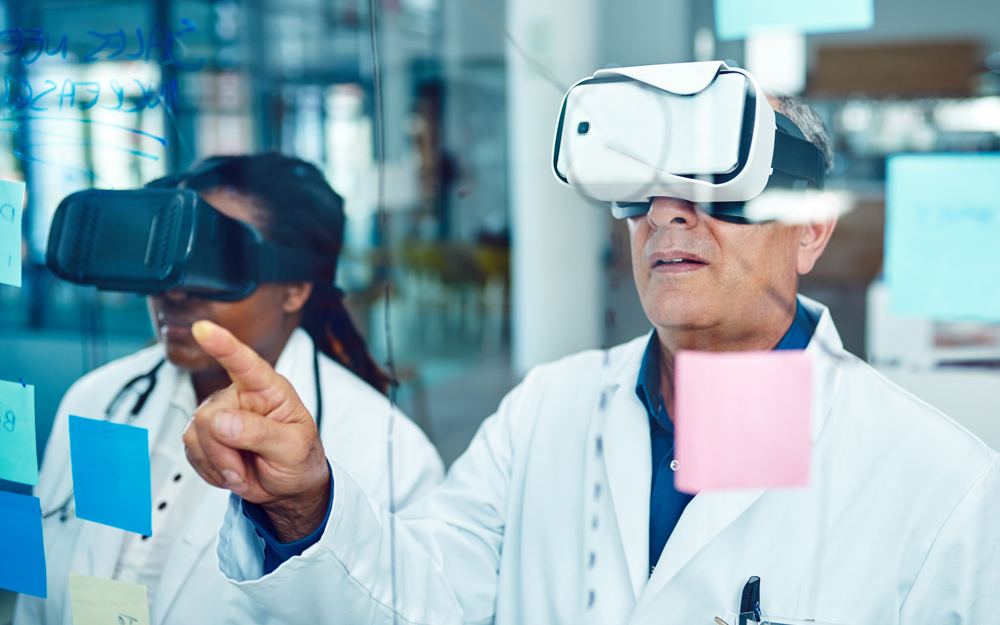
Virtual reality (VR) headsets are transforming medical training. They offer immersive experiences. Medical professionals can practice without risking lives. Two key areas are surgical simulations and emergency response training.
Surgical Simulations
VR headsets are crucial for surgical simulations. Surgeons can practice complex procedures. They can repeat these procedures many times. This helps them perfect their skills. The VR environment is safe and controlled.
Mistakes in VR do not affect real patients. Surgeons can also explore the human body in 3D. They can see organs and tissues closely. This improves their understanding of human anatomy.
Some benefits of VR surgical simulations include:
- Safe practice environment
- Repeatable procedures
- 3D visualization of anatomy
- Enhanced hand-eye coordination
Emergency Response Training
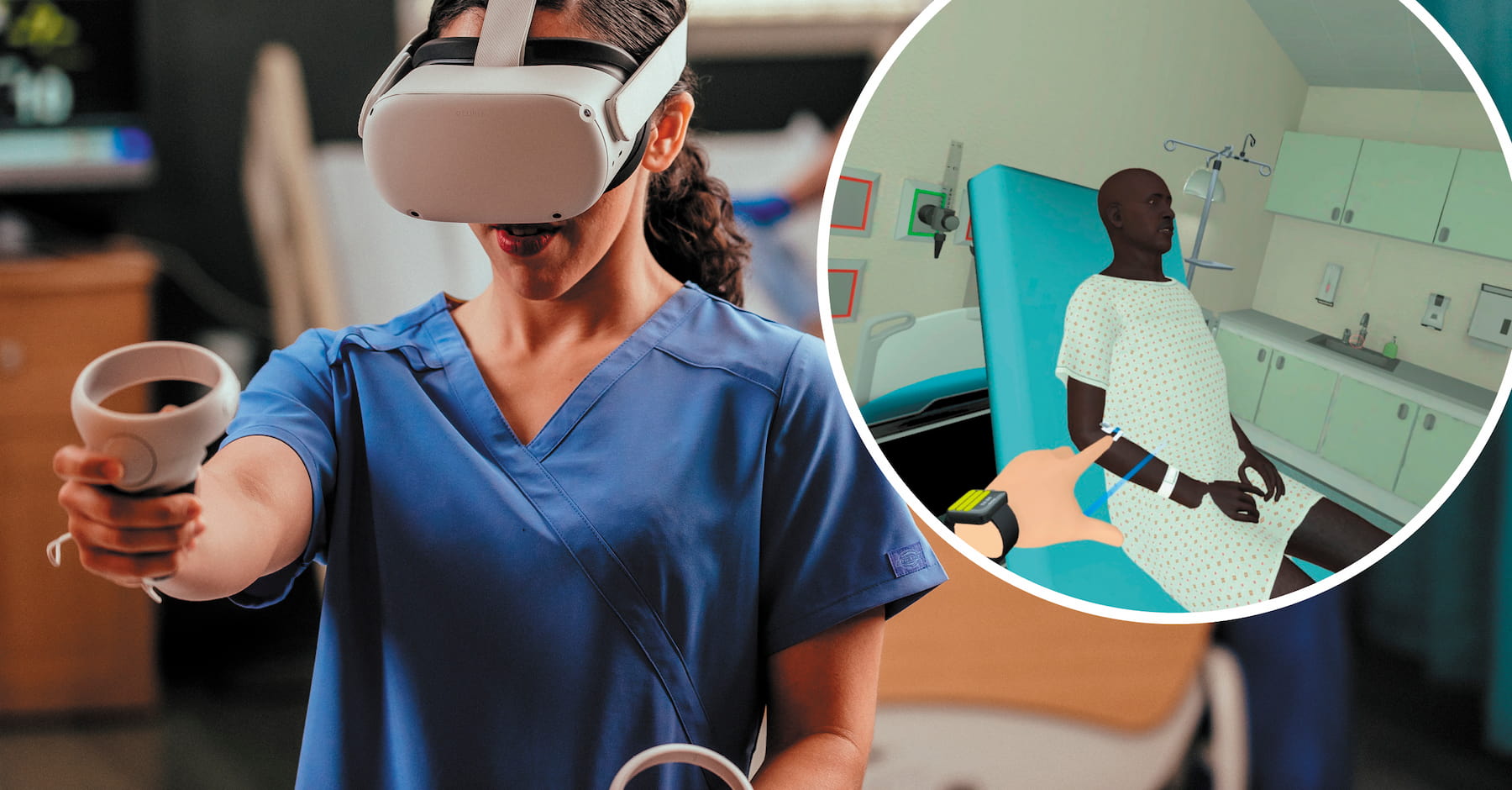
VR headsets are also useful for emergency response training. Healthcare workers can train for emergencies. They can practice responding to various scenarios. This includes heart attacks, strokes, and accidents. VR creates realistic environments.
Trainees learn how to stay calm under pressure. They also learn quick decision-making skills.
Some benefits of VR emergency response training include:
- Realistic emergency scenarios
- Improved decision-making skills
- Enhanced teamwork and communication
- Better stress management
In summary, VR headsets are revolutionizing medical training. They provide safe, immersive, and repeatable experiences. This makes medical professionals more skilled and prepared.
Credit: www.cedars-sinai.org
Therapeutic Uses
Virtual Reality (VR) headsets are transforming healthcare. They offer innovative therapeutic uses that are changing lives. Patients can now experience new treatments through immersive VR experiences.
Mental Health Treatments
VR headsets are revolutionizing mental health treatments. They help treat anxiety, PTSD, and phobias. Patients can confront their fears in a safe virtual space. This method is called exposure therapy.
Doctors use VR to create controlled environments. Patients can face stressors gradually. This reduces anxiety over time. VR also helps with relaxation techniques. Guided meditation in VR can be very effective.
Studies show VR can help with depression. Patients feel more engaged in their therapy. This leads to better outcomes. For children, VR makes therapy fun and less scary.
Physical Rehabilitation
VR headsets play a crucial role in physical rehabilitation. They make exercises more engaging. Patients perform their exercises in a virtual environment. This can include games and interactive scenarios.
VR helps with motor skills development. It provides real-time feedback. Patients can see their progress instantly. This motivates them to keep going.
VR is also useful for pain management. Distraction through VR can reduce the sensation of pain. This makes physical therapy sessions more comfortable.
Here’s a table summarizing VR’s impact on physical rehabilitation:
| Benefit | Description |
|---|---|
| Engagement | Makes exercises fun and interactive |
| Motivation | Provides real-time feedback to encourage progress |
| Pain Management | Reduces pain perception through distraction |
VR headsets make physical therapy less daunting. Patients of all ages find it more enjoyable.
Remote Consultations
Remote consultations with VR headsets are changing healthcare. Patients can now see doctors without leaving their homes. This technology offers many benefits. It saves time and is very convenient.
Virtual Clinics
Virtual clinics allow doctors to see patients in a digital space. The patient wears a VR headset and enters a virtual clinic. The doctor joins the same virtual space. They can talk and see each other just like in a real clinic. This makes the visit feel more personal.
Patients can have their check-ups without the need to travel. For people in rural areas, this is very helpful. It also helps those who have trouble moving around. Virtual clinics provide a new way to get healthcare.
Telemedicine Advancements
VR headsets are pushing telemedicine advancements. In the past, telemedicine was limited to phone calls or video chats. Now, VR offers a more immersive experience. It feels like being in the same room with the doctor.
Doctors can use VR to better understand the patient’s condition. They can look at 3D models and medical images. This helps doctors make more accurate diagnoses. It also enhances the way they explain medical issues to patients.
Here are some key benefits of VR in telemedicine:
- Better patient-doctor interaction
- A clearer understanding of medical conditions
- Enhanced diagnostic tools
- Increased access to healthcare
VR headsets are changing the way we think about remote healthcare. They make telemedicine more effective and accessible.
Challenges And Limitations
Virtual reality (VR) headsets offer promising applications in healthcare. But several challenges and limitations need addressing. These include technical barriers and cost concerns. Let’s dive into these aspects.
Technical Barriers
VR headsets require high computing power. This can limit their use in healthcare. Older devices may not support VR applications. This leads to compatibility issues.
Latency is another challenge. Delays can cause discomfort for users. This can affect the effectiveness of VR treatments.
VR headsets also need precise tracking. Accurate movement tracking is crucial in medical simulations. Inaccurate tracking can lead to errors and safety issues.
Healthcare environments often have strict hygiene standards. Cleaning VR headsets thoroughly can be challenging. This can introduce risks of infection.
Cost Concerns
High-quality VR headsets come with a hefty price tag. This makes them less accessible for smaller healthcare facilities.
Maintenance costs add up over time. Regular updates and repairs can be expensive. This increases the total cost of ownership.
Training staff to use VR technology also incurs costs. Time and money spent on training can be a burden. This can deter healthcare providers from adopting VR.
Insurance coverage for VR treatments is limited. Patients may need to pay out-of-pocket. This limits the widespread adoption of VR in healthcare.
Future Prospects
The future of VR headsets in healthcare looks bright. New technologies are changing how we treat patients. VR is making healthcare better and more accessible.
Innovative Developments
New VR technologies are emerging every day. These innovations are helping doctors and patients alike.
- Telemedicine: VR headsets are making remote consultations possible. Doctors can now examine patients without being in the same room.
- Training: Medical students use VR for hands-on practice. This makes learning safer and more effective.
- Pain Management: VR games and simulations help reduce pain. Patients can focus on something other than their discomfort.
Potential Impact On Healthcare
VR headsets can change many aspects of healthcare. Here are some key impacts:
| Aspect | Impact |
|---|---|
| Diagnosis | VR helps in better and quicker diagnosis. |
| Treatment | More precise and less invasive treatments. |
| Recovery | Faster recovery with VR-based therapies. |
VR in healthcare is not just a trend. It is here to revolutionize the industry. The potential is immense, and the future is exciting.
Credit: smarttek.solutions
Frequently Asked Questions
What Is The Best VR Headset For Healthcare?
The best VR headset for healthcare is the Oculus Quest 2. It offers high resolution, wireless operation, and extensive app support, making it ideal for medical training and therapy.
How Is VR Used In Healthcare?
VR is used in healthcare for surgical training, pain management, physical therapy, and mental health treatments. It provides immersive, interactive experiences that enhance learning and patient care.
How Much Does VR Cost In Healthcare?
VR in healthcare costs vary widely. Basic systems start around $3,000, while advanced setups can exceed $50,000. Pricing depends on features and applications.
What Is The Future Of VR In Healthcare?
VR in healthcare will revolutionize patient care. It offers immersive training, pain management, and mental health therapy. The future holds advanced diagnostics, remote surgeries, and personalized treatments, enhancing overall medical outcomes.
Conclusion
VR headsets are transforming healthcare by enhancing patient care and training. They provide immersive experiences for medical professionals and patients. The potential for VR in healthcare is immense.
As technology advances, we can expect even more groundbreaking applications. Embracing VR can revolutionize the medical field and improve overall healthcare outcomes.

A passionate tech blogger and the founder of Best Tech View, a dynamic platform dedicated to all things technology. With a keen interest in the tech, Ahmad strives to provide insightful and engaging content on the latest tech trends, and breakthroughs.